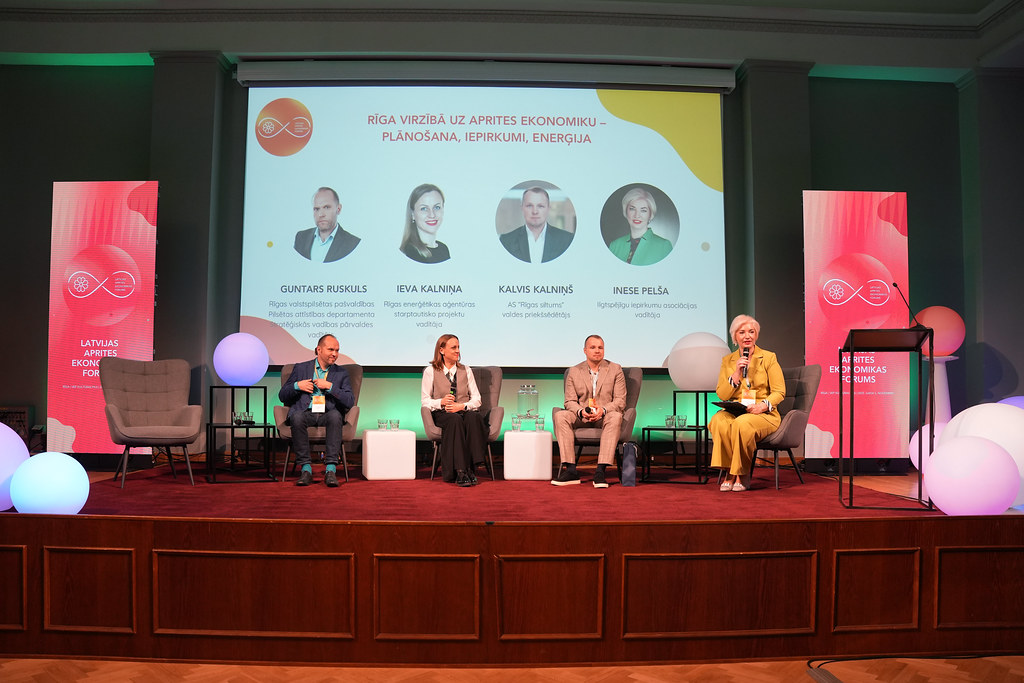
The Riga business pilot was launched to address a critical gap: the absence of a dedicated, city-level network for circular economy and sustainability stakeholders in Riga. While Latvia has national interest groups and broad business associations, no structured platform existed to focus specifically on circularity, climate, and sustainability at the urban level. Stakeholder engagement processes, such as discussions around the Riga Circular Economy Action Plan, revealed strong interest, but maintaining ongoing dialogue and a core network beyond individual meetings proved difficult.
To bridge this gap, the Latvian Circular Economy Forum was established as the backbone of a long-term stakeholder network. It serves as a recurring platform for policy-practice interaction, knowledge exchange, and collaboration among diverse actor groups. Designed as both a milestone event and a catalyst for follow-up thematic meetings, the Forum ensures continuity between strategic discussions and practical implementation.
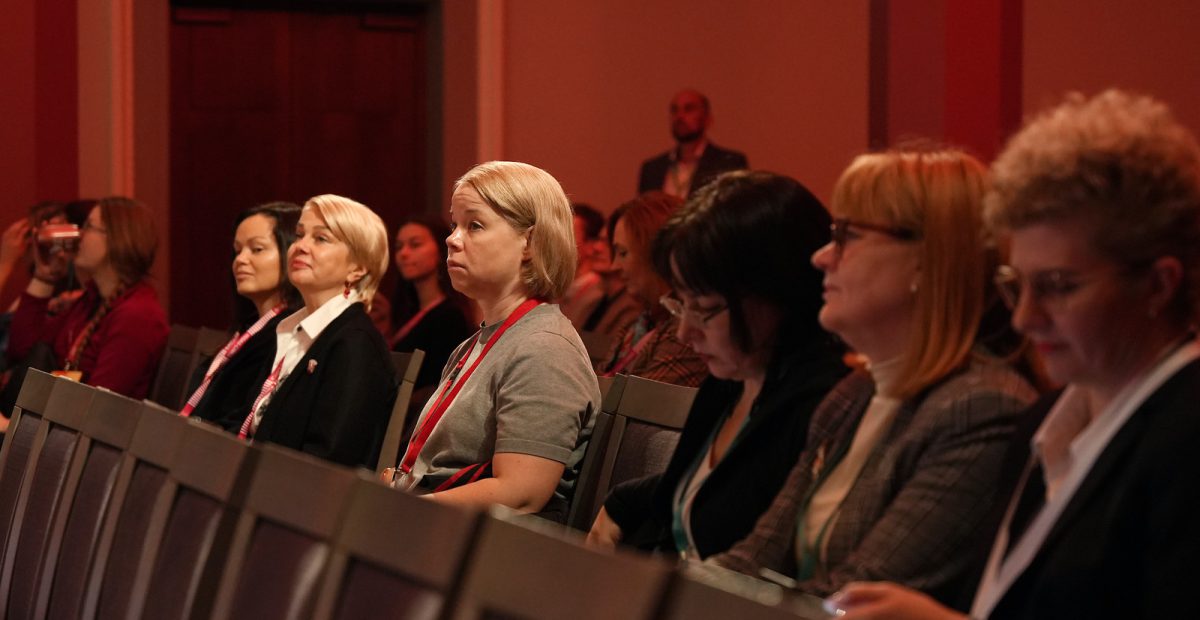
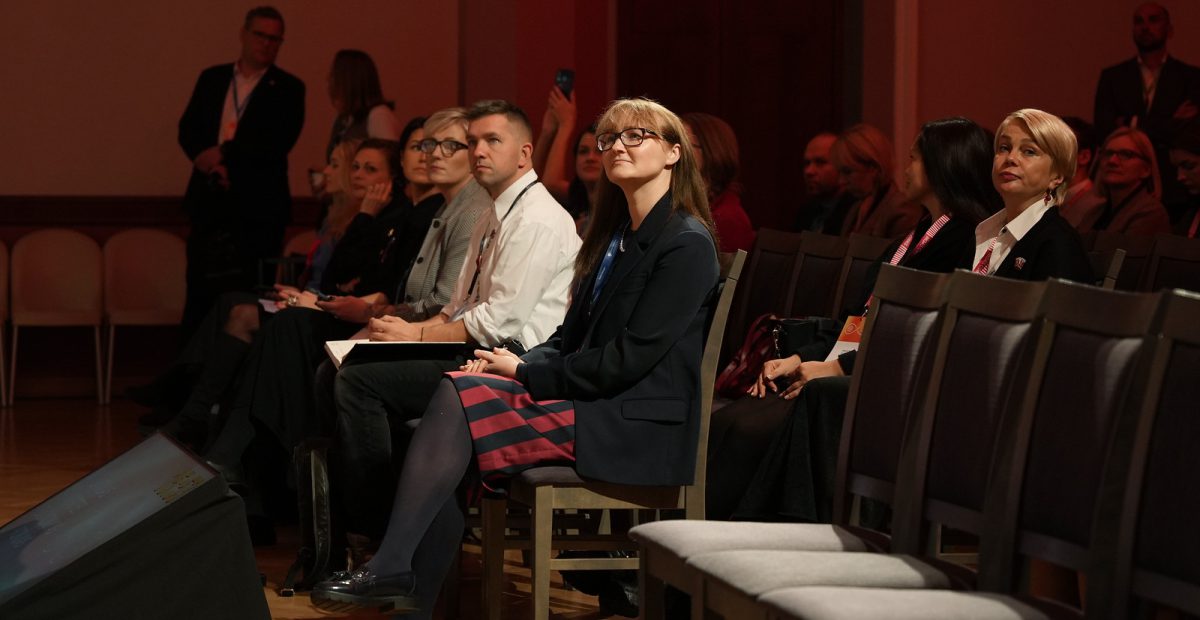
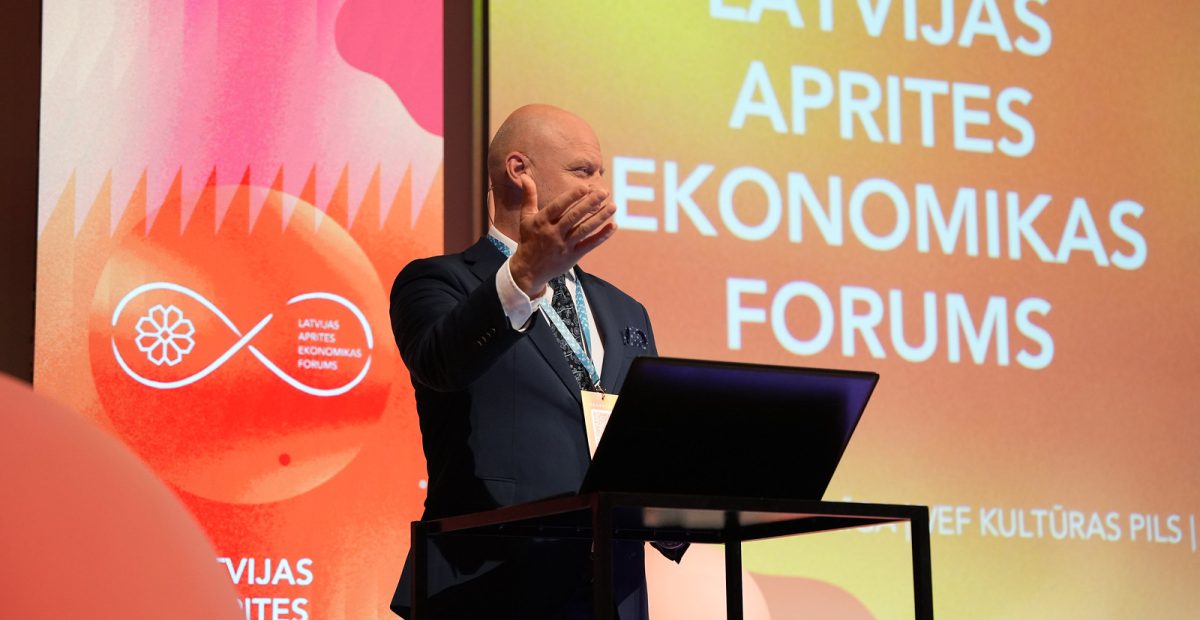
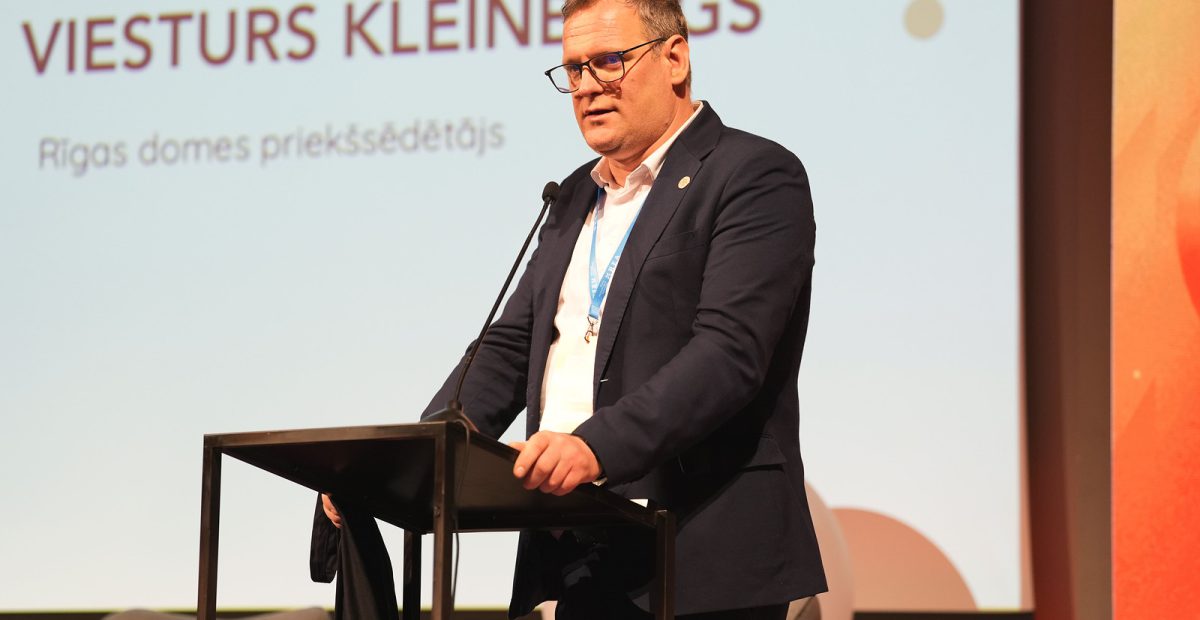
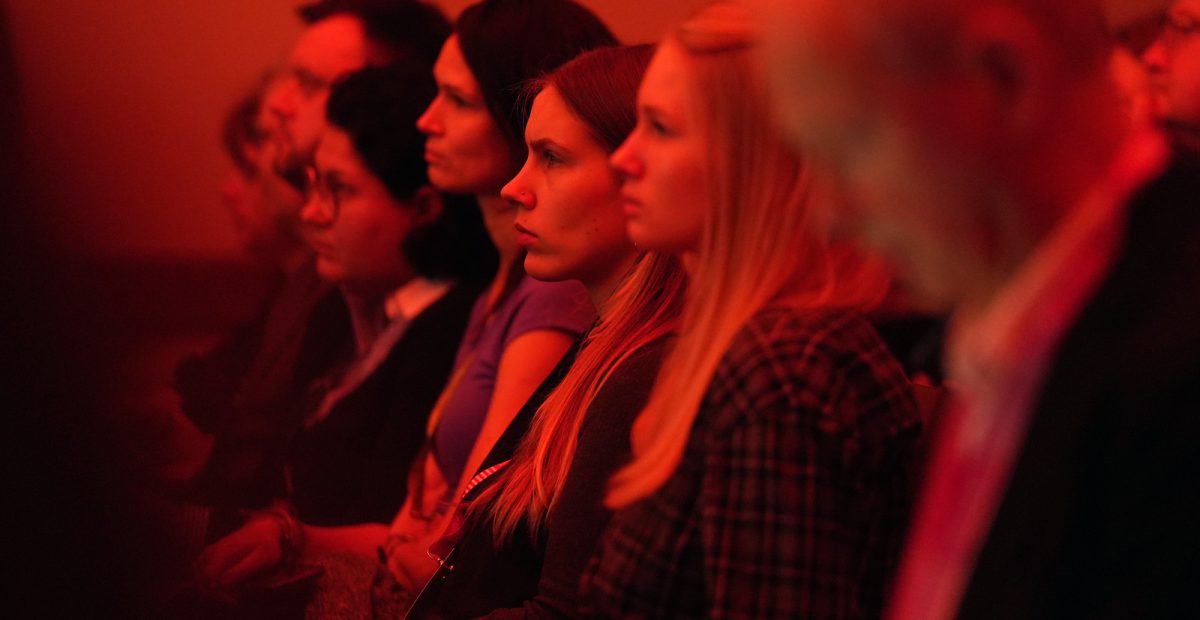
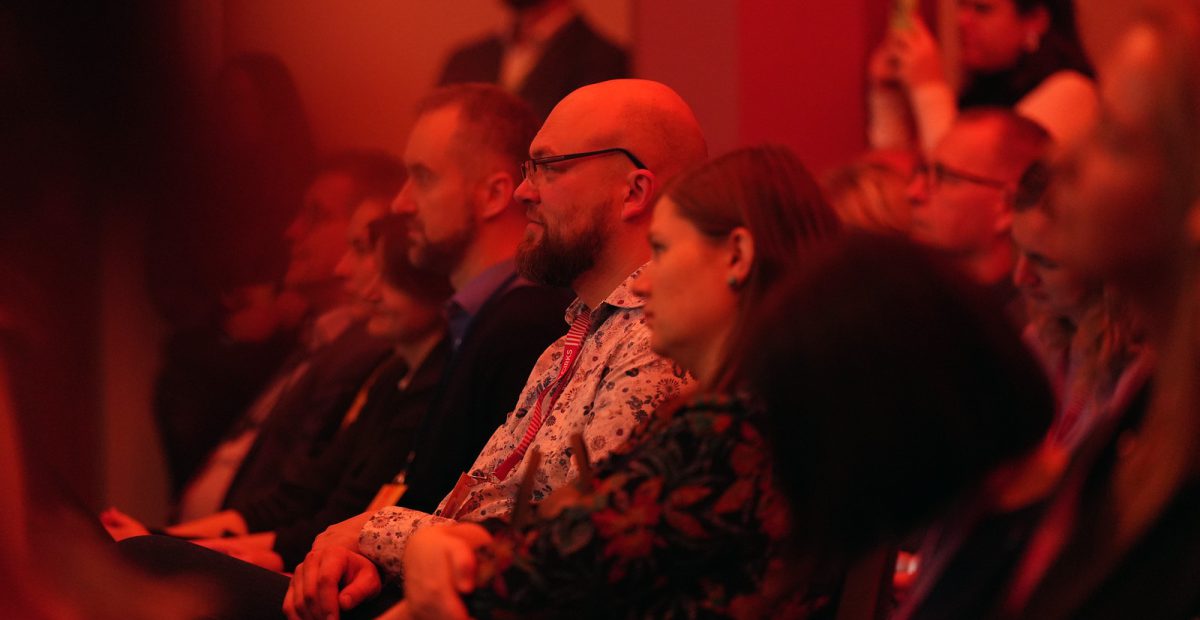
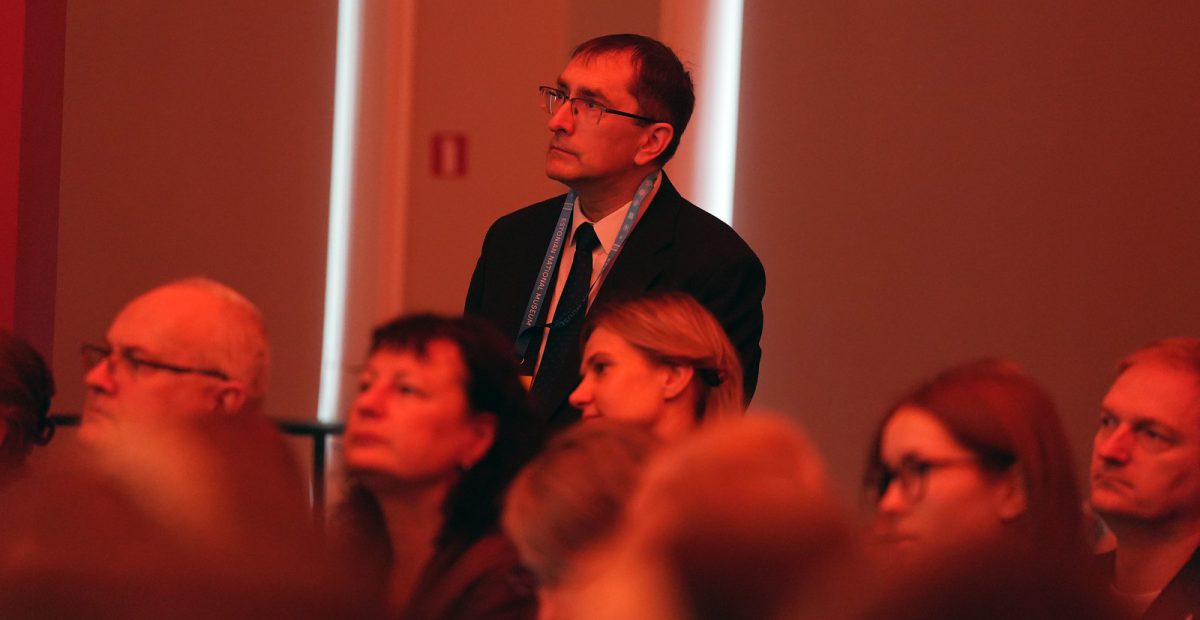
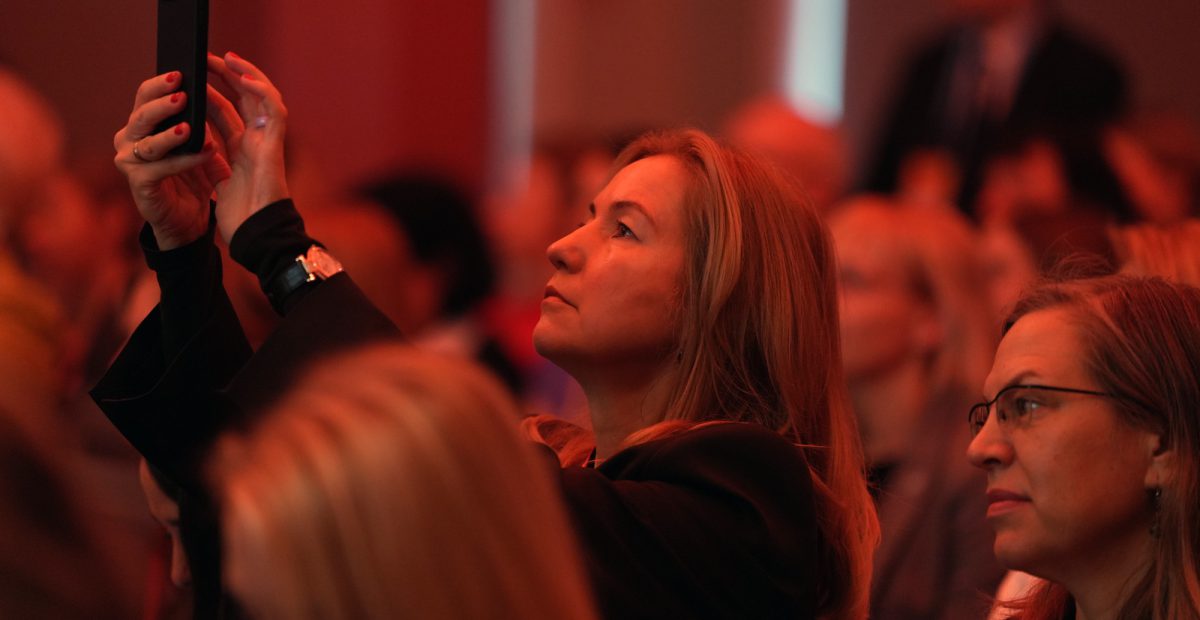
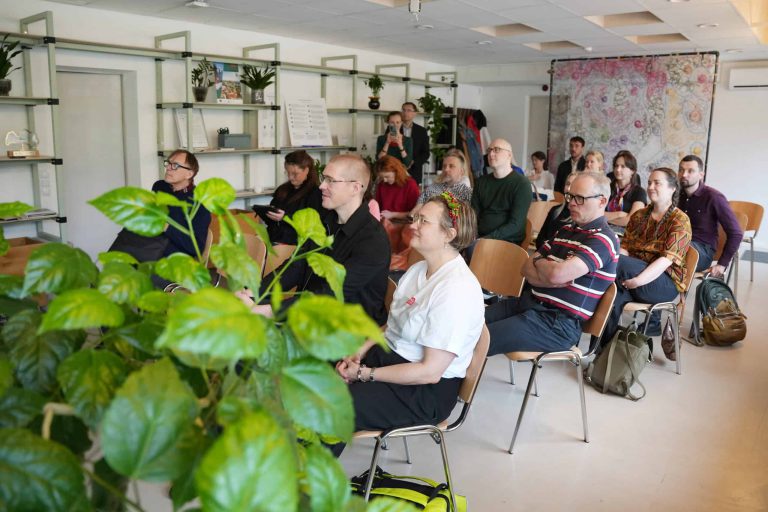
The first Latvian Circular Economy Forum, held on 5 November 2025 in Riga, exceeded all expectations. The event was oversubscribed, attracting over 350 participants, more than twice the anticipated number. It brought together a balanced mix of stakeholders:
- 43% private sector and companies
- 18% academia
- 18% municipal institutions
- 13% NGOs
- 8% state-level institutions
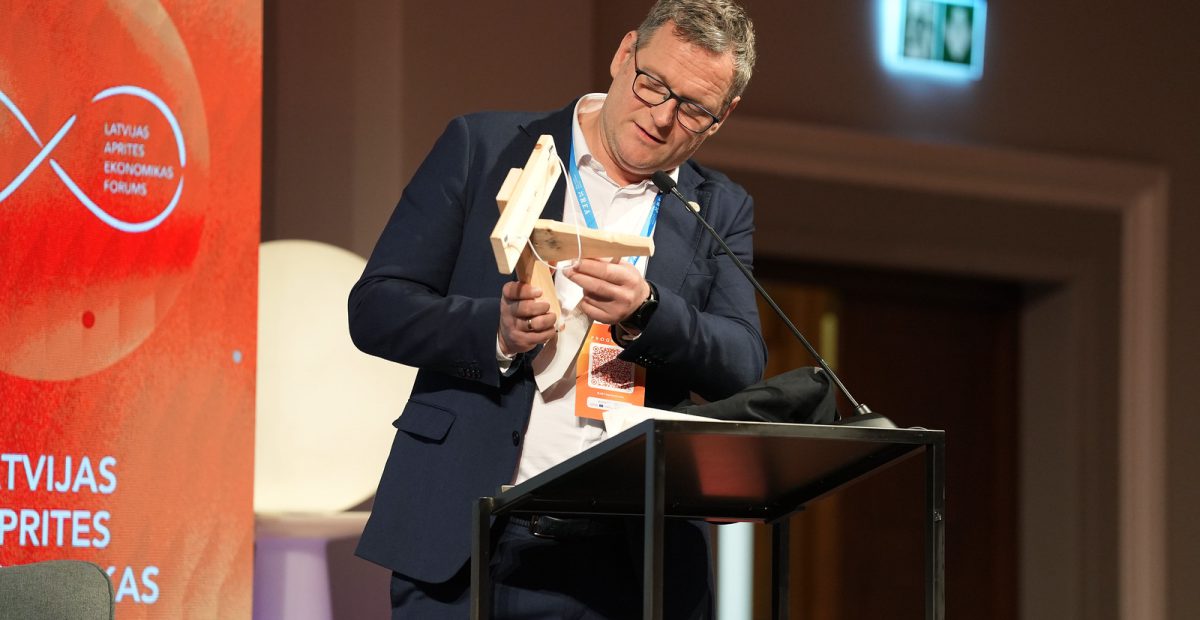
The Forum featured 107 speakers across 34 thematic sessions. Participant feedback was overwhelmingly positive, with a clear demand to continue the Forum as a regular event.
About the Organization/Partner
Riga Energy Agency is the competence center for energy and climate issues under Riga City Municipality. As part of the city’s administration, it plays a pivotal role in advancing Riga’s climate and circular economy goals.
Riga has earned significant recognition at the European Union level, including the “Mission Label” for its climate neutrality plan by 2030, awarded under the EU Mission for 100 Climate-Neutral and Smart Cities. Following this, the Riga Energy Agency developed the Long-Term Circular Economy Strategy 2040 and drafted the Riga Circular Economy Action Plan 2030.
While the Agency coordinates circular economy actions, its resources are limited. Through the CCC project, the Agency saw an opportunity to establish a robust stakeholder network.
The Challenge
The core challenge was translating strategic planning and policy frameworks, such as the Riga Circular Economy Action Plan 2026 to 2030, into actionable collaboration and innovation on the ground. Key constraints included:
- Fragmented dialogue across sectors
- Limited opportunities for cross-sectoral learning
- No consolidated forum for sharing success stories or lessons learned from implementation
By convening diverse stakeholders in one space, the Forum aimed to overcome these barriers and stimulate coordinated efforts that individual organizations could not achieve alone.
The Solution
The Forum’s implementation followed a structured, methodical process:
- Research on potential stakeholders (one year in advance)
- Collection and verification of contacts
- Identification and validation of thematic interests
- Agreements on co-organization of thematic sessions
- Establishment and expansion of a coordination group, including all key actors
- Engagement with sponsors and exhibitors
- Practical event organization
- External communication: TV, radio, media, and social networks, guided by the principle “Each participant tells the story”
The Forum was organized in line with circular economy principles:
- Participants were encouraged to use public transport, resulting in a high share of sustainable mobility.
- Waste reduction measures included reusable water bottles and badge lanyards.
Thematic Coverage: The Forum addressed circular economy from strategic, sectoral, and practical perspectives, with sessions on:
- Policy frameworks, governance, and financing
- Industrial symbiosis and circular construction
- Bioeconomy, waste prevention, and textile circularity
- Social entrepreneurship, citizen engagement, and circular lifestyles
This comprehensive scope allowed participants to explore both systemic challenges and concrete, implementable solutions, fostering a shared understanding of how to scale circular economy principles across sectors.
The Results
The first Latvian Circular Economy Forum (5 November 2025) was a resounding success:
- 350+ participants (double the expected number)
- Balanced stakeholder representation (43% private sector, 18% academia, 18% municipal institutions, 13% NGOs, 8% state-level)
- 107 speakers across 34 thematic sessions
Participant feedback highlights:
- Professional organization and high-quality content
- Inspiring practical examples
- Diverse participation and strong cross-sector synergy
- Real-world application of circular economy principles in event organization
- Positive, motivating atmosphere
Feedback confirmed the Forum’s role as a vital national platform for addressing circular economy challenges, exchanging experiences, and strengthening cooperation in Latvia.
Conclusions
The Latvian Circular Economy Forum marked a clear shift from fragmented, project-based dialogue to a structured, recurring national platform connecting strategy with practice. It transformed latent interest in circular economy and sustainability into an active, cross-sector community where businesses, public authorities, academia, and civil society could jointly explore solutions and accelerate implementation.
Key Success Factors:
- Clearly identified need for a dedicated circular economy network
- Strong leadership and coordination by the Riga Energy Agency
- Well-curated program combining policy discussions with practical examples
- Inclusive format encouraging exchange, networking and collaboration
- Credibility built on transparent organization, high content quality and consistent application of circular principles
This transferable model offers valuable insights for other cities and organizations facing similar challenges. By establishing a regular, multi-stakeholder platform anchored in local policy priorities but open to diverse actors, organizations can strengthen cooperation, build trust, and move from planning to action. The Latvian Circular Economy Forum demonstrates how convening the right actors in a structured, purpose-driven way can catalyze systemic change.
Budget
- Total expenditures: €45,000
- Cost-sharing: Some projects and organizations covered specific costs (e.g., waste management company CleanR covered participation of key speakers and handled hall decoration).
Supporting Projects:
- Creative Circular Cities (CCC): EU INTERREG Baltic Sea Region project fostering circular economy transition at the local level through cultural and creative sectors.
- LET’S GO CIRCULAR!: URBACT IV project supporting cities in advancing circular economy transition via interregional cooperation.
- NetZero Pilot Cities: Doughnut Economy Approach: NetZero Cities project applying the doughnut economy framework to support sustainable decarbonization and citizen engagement.
- LIFE Waste To Resources IP: Integrated LIFE project promoting waste-as-a-resource concepts in Latvia, supported by the EU LIFE Programme and the Ministry of Smart Administration and Regional Development.
Sponsors and Partners:
- CleanR Group (co-organizer)
- Swedish Institute, Laflora, NP Properties, Tilde, Knauf, Gren Latvia
Future Recommendations:
- Explore a private-sector organizer to manage sponsorship and exhibition activities.
- Enhance focus on the exhibition component and pre-event marketing.
Visuals, Charts, and Photos
- YouTube Video: Forum Highlights
- Recordings: Available on the REA YouTube Channel
- Photos: Available on the Riga Flickr Channel
- Forum Website: REA Circular Economy Forum