
Case study
Tallinn incubation case study
Coming soon

Project news
News from Tallinn
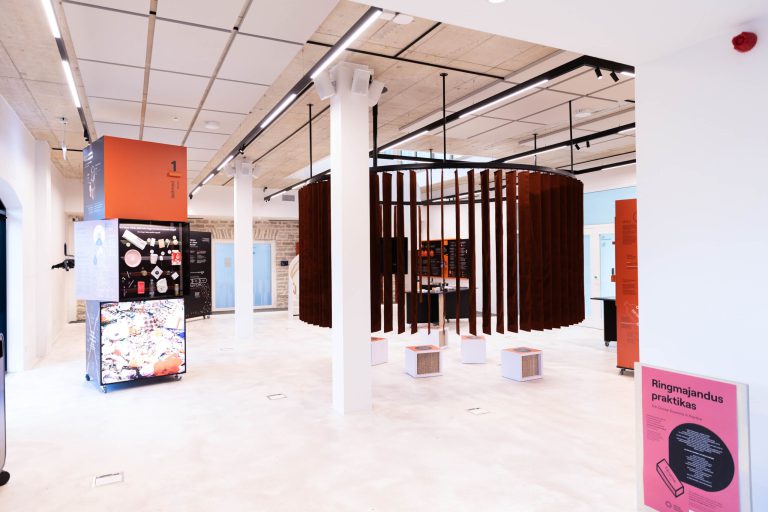
Tallinn Business Incubator opens exhibition on circular economy
Tallinn Business Incubator has opened a circular economy-themed exhibition as the first display in the exhibition hall of its new building. Created within the framework of the Creative Circular Cities (CCC) project, the exhibition invites both businesses and city residents to explore the principles of the circular economy and discover new opportunities in the field. The exhibition was produced by the Tallinn Business Incubator and Heya Visual.
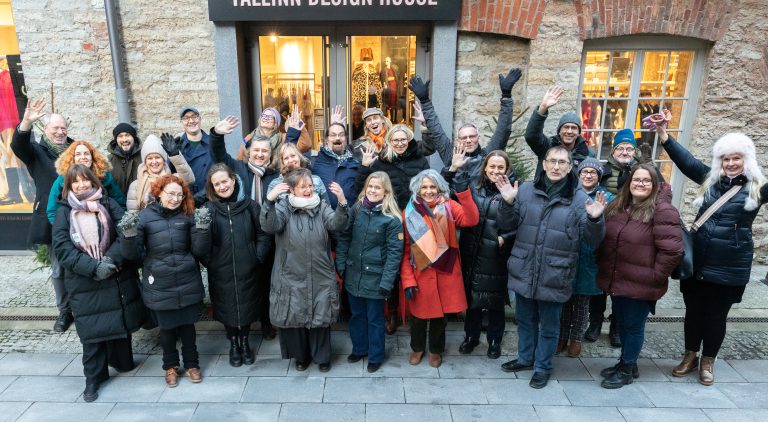
Creative Circular Cities at the EUSBSR Forum 2026 Networking Village
The Creative Circular Cities project participated in the Networking Village during the 2026 Annual Forum of the EU Strategy for the Baltic Sea Region, which took place on 11 to 13 May in Tallinn, bringing together more than 500 participants from across the region.
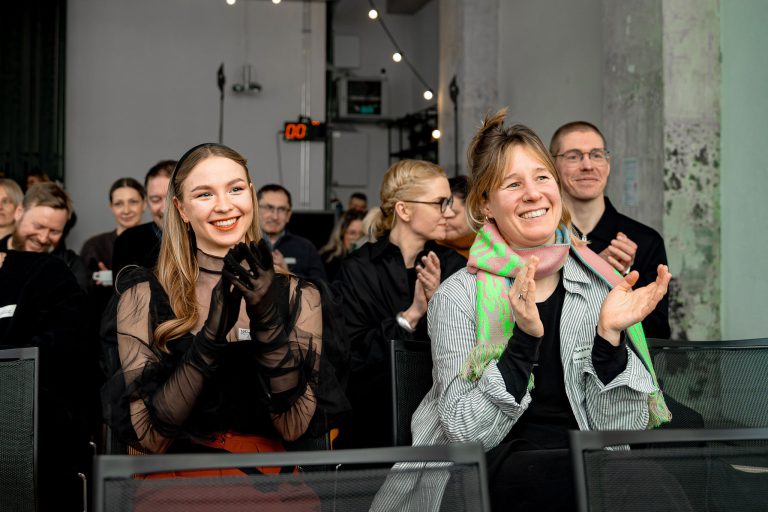
“Creatives in Circularity B2B Exchange” strengthens cross-border collaboration between creatives in the Baltic Sea Region
On 18-19 February 2026, creatives from across the Baltic Sea Region gathered in Tallinn, Estonia, for the “Creatives in Circularity” B2B Exchange. The event provided a space for creative professionals to connect, exchange ideas, and explore how the cultural and creative sectors can contribute to circular economy solutions. The event was organised by the Northern Dimension Partnership on Culture in collaboration with the Danish Cultural Institute in Estonia, Latvia and Lithuania and “Creative Circular Cities” (CCC) project partners.