Introduction
Aarhus Municipality organized a series of activities focused on citizen involvement, circular lifestyles, and collaboration with social economy enterprises and creative actors. The initiative highlighted the critical need for community spaces that can host sustainable activities, with a strong emphasis on how location and interior design influence citizen engagement in the green agenda.
The Problem
Denmark generated 746 kg of municipal waste per capita in 2022, significantly above the EU27 average of 513 kg per capita. While the Danish Government’s Action Plan for Circular Economy (2020–2032) outlines national targets and initiatives, no specific budget has been allocated for implementation and cities are responsible for developing and executing their own circular economy plans.
Aarhus takes a holistic approach to make the city more circular. While implementing the actions of the current Resource and Waste plan 2021-2026, the CCC project partners actively trying to contribute to shaped the next iteration of the plan for the period 2027-2032, ensuring that creatives and cultural actors can play a role in the delivery of action.
Joining the Creative Circular Cities project provided also an opportunity to dedicate a small team to organizing citizen-focused activities, bridging the gap between policy and community action.
The Solution
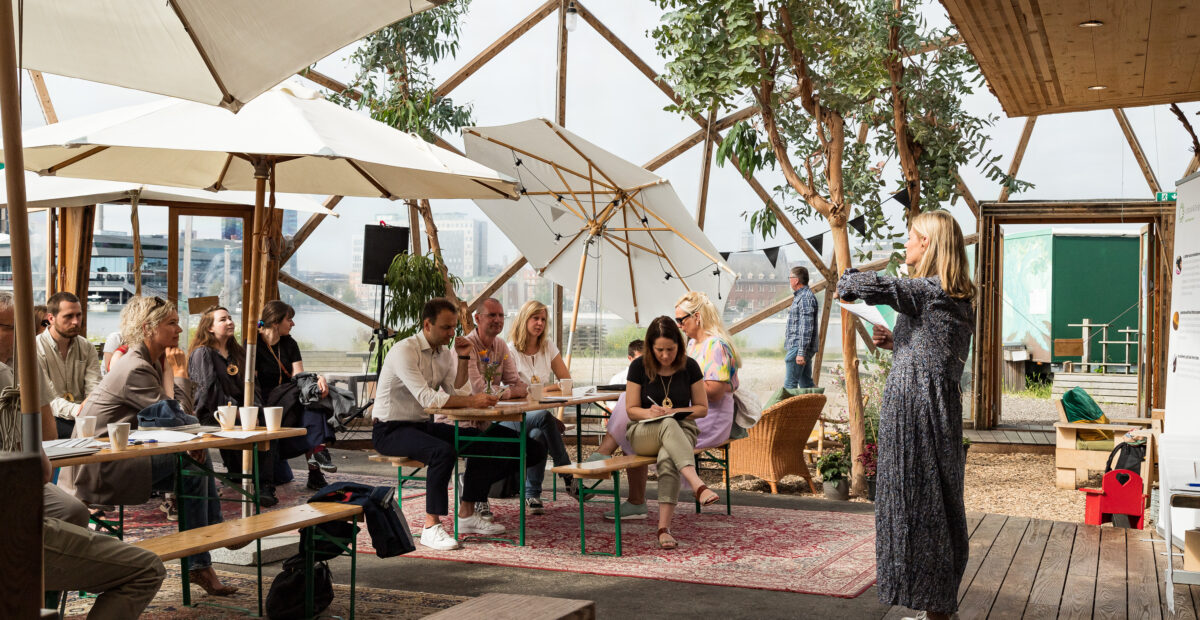
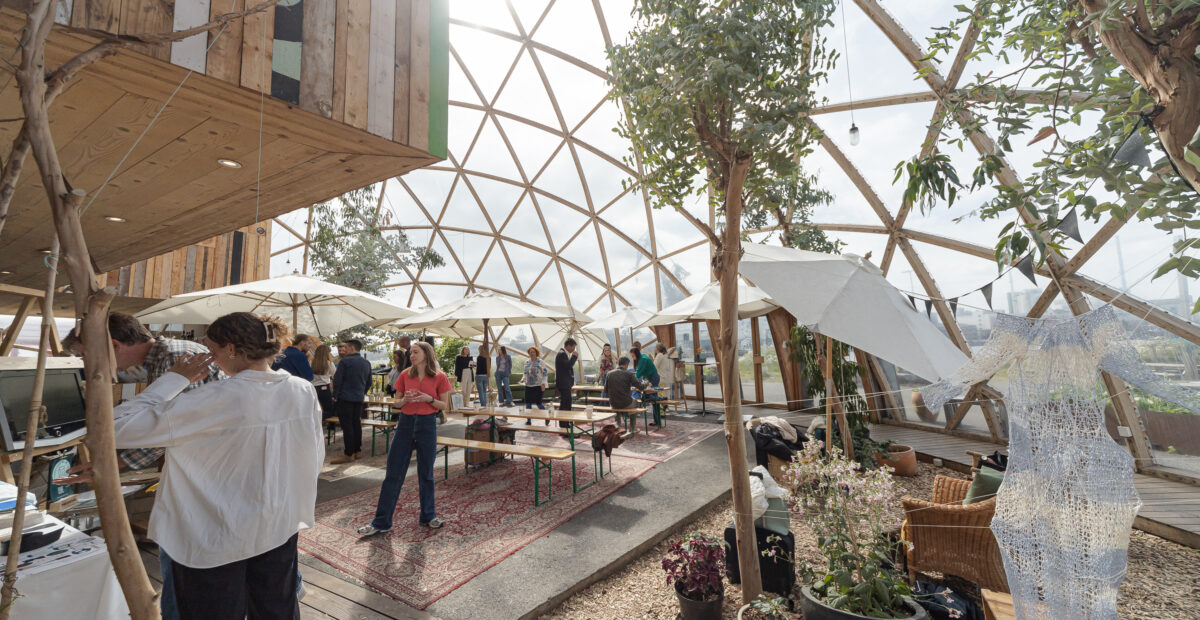
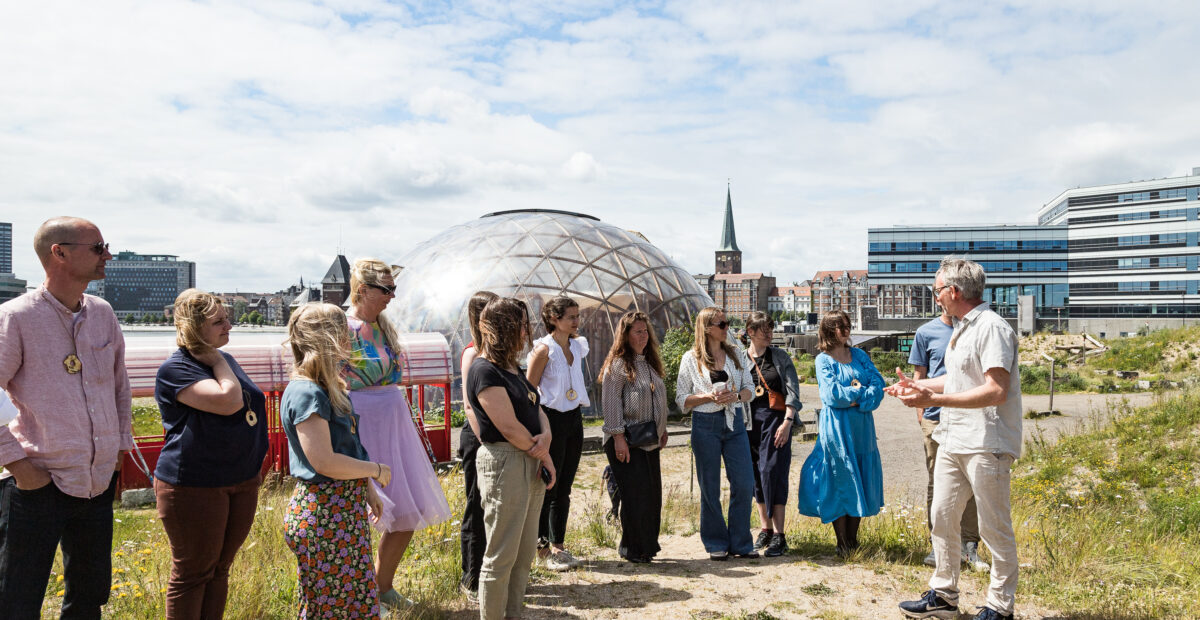
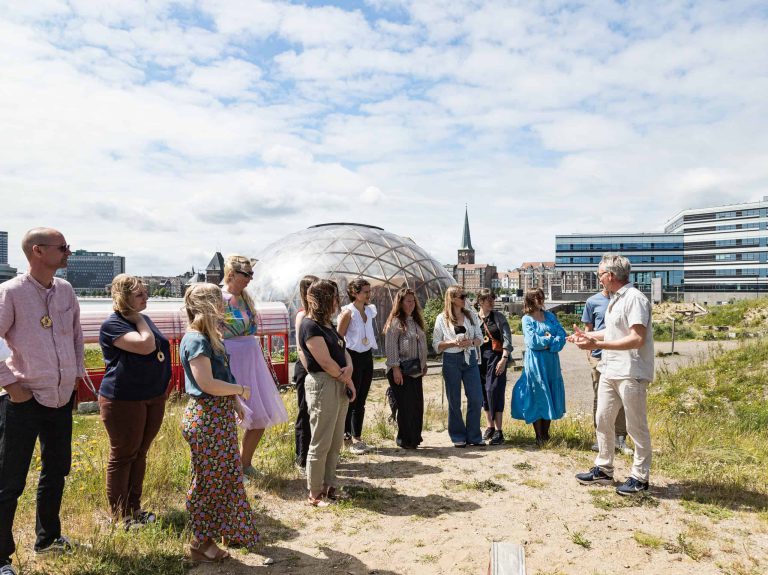
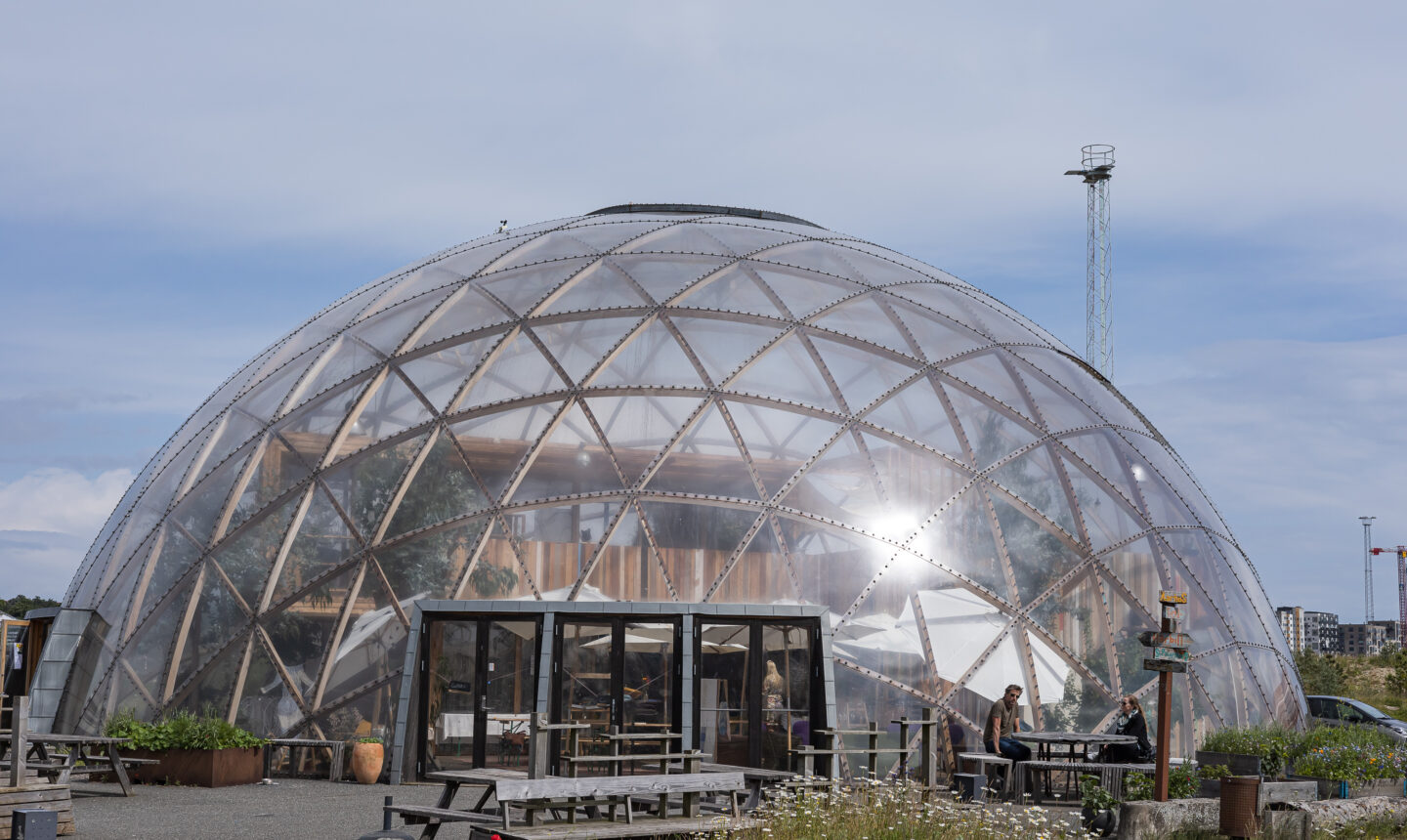
Aarhus aimed to create physical and social platforms for co-creation, where production and consumption could be connected in practice. The Dome and K10 urban housing projects in Tranbjerg served as key locations for these activities, fostering collaboration among citizens, businesses, and creative actors.
Implementation
Key Activities and Milestones
- Season 2025 in the Dome: From January to December 2025, Aarhus Municipality hosted 180 events, primarily focused on sustainability, circular economy, art, culture, and community. The Dome’s Facebook page garnered 7,500 followers, reflecting strong citizen engagement.
- Pilot: In Line with the World:
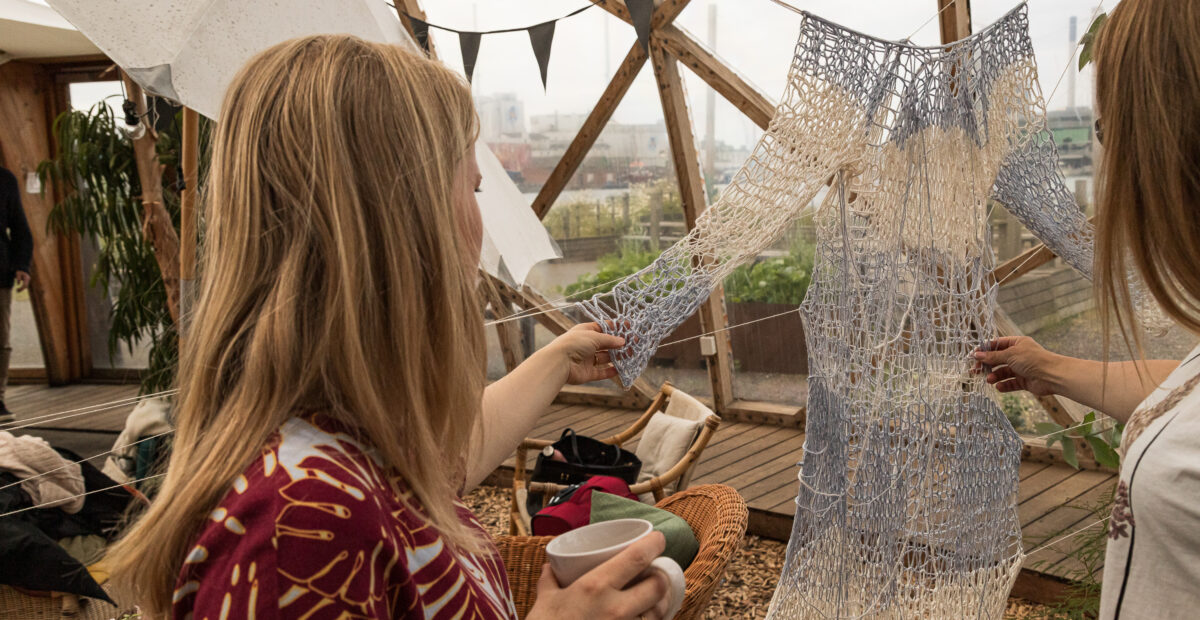
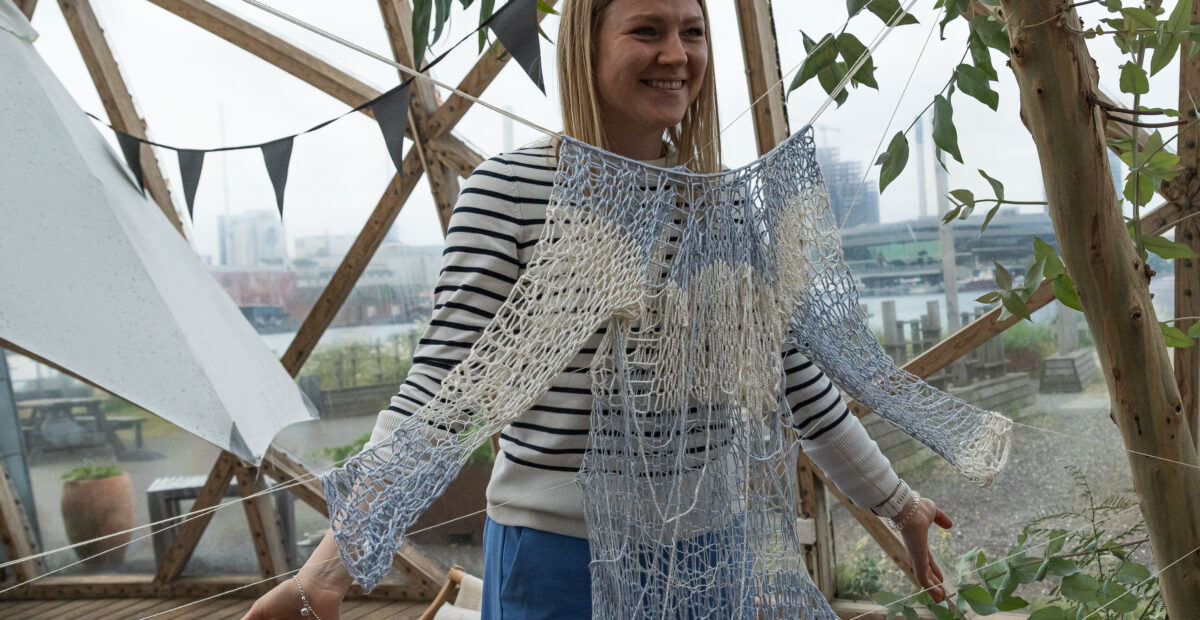
- Located in Tranbjerg, this initiative aimed to empower women through circular economy practices, particularly in the textile industry.
- Since its inception in 2025, 15 women participated in courses or internships, with two securing jobs (one full-time, one flexible). All participants gained new skills in circular economy practices.
- Meetings with Kunsthal Aarhus Museum and collaborations with the Center for Sustainability were established to explore workshops combining circular economy, art, and culture.
Circular Upcycling Projects
-
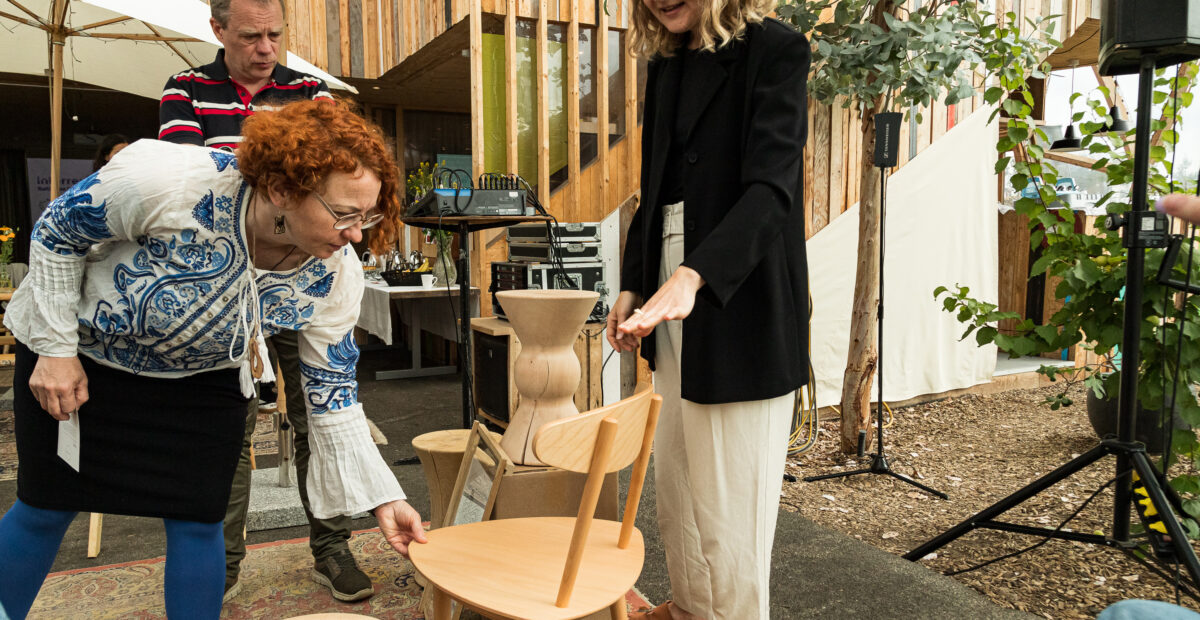
- Workwear from STARK was repurposed into computer sleeves and furniture covers.
- Old match jerseys from AGF (2026 Danish championship winners) were transformed into Christmas decorations and sold in the fan shop.
- Linen from Varde Hospital was upcycled into tote bags for patients’ clothes.
- Sustainable Christmas Market (November 29–30, 2025):
- Held in the Dome, this event focused on hand-made, crafted sustainable gifts and citizenship, showcasing local circular economy initiatives.
- Cross-Functional Workshops (January 2026):
- Future Resources Kickoff Idea Lab: Gathered project managers, case managers, and municipal leaders to shape Aarhus’s Resource and Waste Plan 2027–2038. The workshop combined inspiration, future scenarios, and creative idea generation, with active participation from all attendees.
Tools and Partnerships
- Physical spaces: The Dome and K10 urban housing projects served as hubs for co-creation.
- Partners and collaborators:
- Elis, STARK, Varde Hospital, local libraries, and AGF (football club) provided materials and support for upcycling projects.
- Lifestyle and Design Cluster (LDC) facilitated business development and start-up support. LDC opens a Lifestyle Hub in Sydhavnen December 2025 which serves as a hub for start-ups and business development.
- Educational institutions (e.g., VIA University College) contributed to knowledge sharing and skill development.
The Results
Quantifiable Outcomes
- Events Hosted: 180 events in the Dome (2025).
- Social Media Engagement: 7,500 followers on the Dome’s Facebook page.
- Participation in In Line with the World: 15 women trained, 2 employed.
- Textile pilot: Workwear, sports jerseys, and hospital linen repurposed into new products.
- Workshop Impact: Contributed to the development of Aarhus’s Resource and Waste Plan 2027–2038.
Circular Economy Contributions
- Circular Lifestyles: Citizens gained hands-on experience in upcycling, repair, and sustainable consumption.
- Business Integration: Local businesses and social enterprises (e.g., In Line with the World) integrated circular practices into their operations.
- Community Building: The Dome became a trusted space for sustainable discussions, activities, collaboration, fostering connections between citizens, businesses and creative actors.
Challenges and Lessons Learned
The Dome had to close in December 2025 despite citizen petitions to maintain it. Efforts are ongoing to secure new spaces for circular initiatives like In Line with the World.
While EU funding provided seed support for testing pilots, systemic funding is needed for long-term sustainability.
Aarhus is now working to combine social housing efforts with In Line with the World’s activities and apply for additional funds.
Contribution to Circular Economy in Aarhus
- Community spaces: Demonstrated the importance of dedicated, well-designed spaces for fostering circular economy practices.
- Social innovation: Initiatives like In Line with the World showed how circular economy can empower marginalized groups (e.g., women) through skill development and employment.
- Collaborative ecosystem: Strengthened partnerships between municipalities, businesses, and citizens
Conclusion and Key Takeaways
Keys to Success
- Citizen Engagement: The Dome’s activities proved that community-driven spaces are essential for promoting circular lifestyles.
- Co-Creation: Collaboration with businesses, educational institutions, and creative actors enriched the initiative’s impact.
- Tangible Outcomes: Upcycling projects and workshops provided practical, visible results that inspired further participation.
Recommendations for Scaling
- Secure Long-Term Spaces: Identify and fund permanent community hubs for circular economy activities.
- Diversify Funding: Explore municipal, private, and NGO partnerships to sustain initiatives beyond pilot phases.
- Integrate into Municipal Plans: Embed circular economy goals into Aarhus’s Resource and Waste Plan 2027–2038 and other strategic documents.
Inspirational Insight
“The Dome became more than a space—it was a movement. Citizens’ attachment to it showed how deeply people crave opportunities to contribute to sustainability in tangible, creative ways.”
Business Model and Financing
Pilot Phase
- EU Funding: funding through the Creative Circular Cities project (Interreg Baltic Sea Region).
- Municipal Support: Aarhus Municipality provided workforce and operational resources.
- In-Kind Contributions: Partners like STARK, Varde Hospital, and AGF supplied materials for upcycling.
Future business model
- Municipal Funding: Allocate budgets for community spaces and circular economy initiatives.
- Public-private partnerships or sponsorship: Collaborate with businesses aligned with circular economy values.
- Social Enterprise models: Support initiatives like In Line with the World through grants or revenue-sharing agreements.
- Crowdfunding and Donations: Engage citizens and local organizations in funding community-driven projects.
Call to Action
Join the Movement: Create Community Spaces for Circular Economy in Your City
Aarhus’s experience demonstrates the power of physical spaces and collaborative networks in driving circular economy adoption. Municipalities, businesses and citizens can work together to:
- Establish dedicated hubs for rethinking consumption, giving space for local crafts, upcycling, repair and co-creation.
- Empower marginalized groups through skill-building and circular economy practices.
- Integrate circularity into local policies, business models, and cultural events.
For more information, visit: Aarhus Municipality Circular Economy Initiatives
Visuals and References
- The Dome: Photos of events, workshops, and upcycled products: https://www.instagram.com/domeniaarhus/
- In Line with the World: Testimonials from participants and images of upcycled textile products.
- Sustainable Christmas Market: Highlights from the 2025 event: https://www.instagram.com/domeniaarhus/p/DRrredUjKB1/
- Workshops: Documentation from the Future Resources Idea Lab.