Introduction
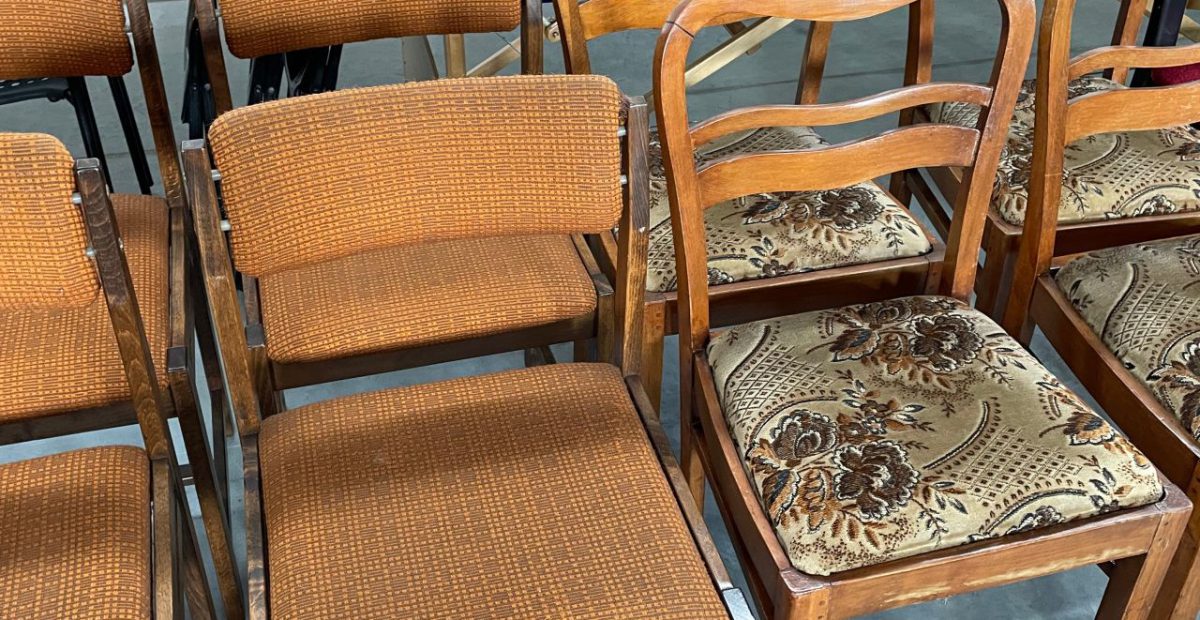
Abandoned bulky furniture, such as unwanted sofas, wardrobes, and other large items, poses a dual challenge for cities: it blights urban spaces and represents a loss of valuable resources. In Gdynia, this issue also incurs significant costs for both the municipality and residents. The ideal solution? Intercepting these items before they end up on the streets, deteriorate and are sent to landfills.
To address this, Gdynia Design Centre (part of the Pomeranian Science and Technology Park) and the “Pomorskie in the European Union” Association collaborated to pilot a circular bulky waste management system. The initiative not only sparked strong interest among Gdynia’s citizens but also attracted attention from neighbouring cities.
The Problem
Gdynia already operates wyrzucamto.pl, a multifunctional online platform for waste management. Citizens can use it to learn how to separate, handle, and dispose of waste, including bulky items, by filling out a form, sending an email, or making a phone call. However, the existing system follows a linear waste management model: collected bulky items are crushed, shredded, and sent to landfills, resulting in lost resources and high municipal costs.
Additionally, bulky waste often accumulates near garbage shelters in residential areas, harming the environment and detracting from the city’s appearance. Seeking a more sustainable approach, Gdynia’s authorities embraced the opportunity to test a circular economy solution as part of the Creative Circular Cities project.
The Solution
Concept
The pilot aimed to test citizen appetite for a circular bulky waste management system in Gdynia. The goal was to shift the perception of bulky waste from disposable items to valuable resources by engaging two key groups:
- Residents, who could give their unwanted items a second life.
- Creative industries and cultural institutions, who could repurpose these items for their activities.
Implementation
The Pilot Phase ran from 24 February to 30 April 2025 in a zone within 5 km of the Gdynia Design Centre.
- Process:
- Citizens submitted unwanted bulky items via a simple online form or by sending photos via email.
- Free transportation was provided from households to a warehouse at the Science and Technology Park.
- Waste management company Remondis Poland sponsored most of the transport, aligning with their corporate social responsibility strategy. Only two collections, at the pilot’s start, were financed by the “Pomorskie in the European Union” Association (cost: 180 EUR).
The pilot sought to understand whether people would be interested in such a service in the first place, and how an integrated platform could effectively use urban resources to reduce waste through collaboration, a shift in material perception, and active community engagement. By testing the potential, they aimed to uncover insights into how far local communities can be involved in reshaping their city toward sustainability.
The needs, ideas and solutions were discussed thoroughly with the creative and cultural sectors and industries from Gdynia and neighbouring cities through co-creation. They brought diverse perspectives on the solution’s potential implementation and development with the aim to transform potential waste into a valuable resource for them.
The initiative was met with a very positive response from citizens who enthusiastically took part in the pilot project. Many shared their support for the solution, praising its convenience and environmental benefits. The strong engagement highlighted not only the community’s readiness to embrace sustainable practices but also the potential for scaling up the project across the city.
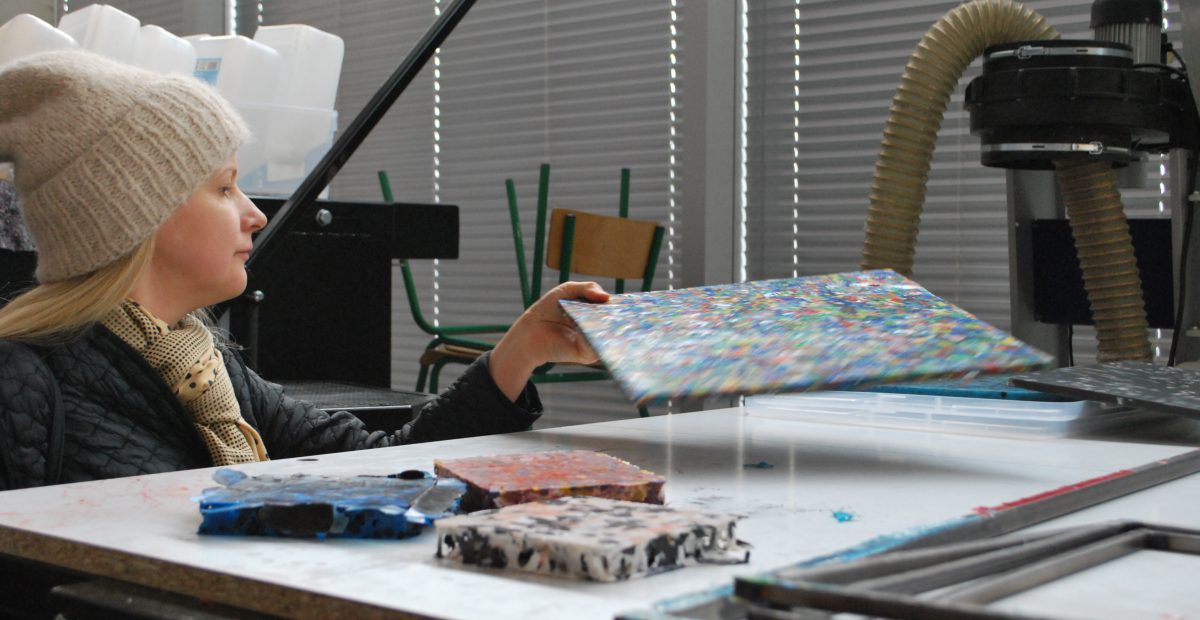
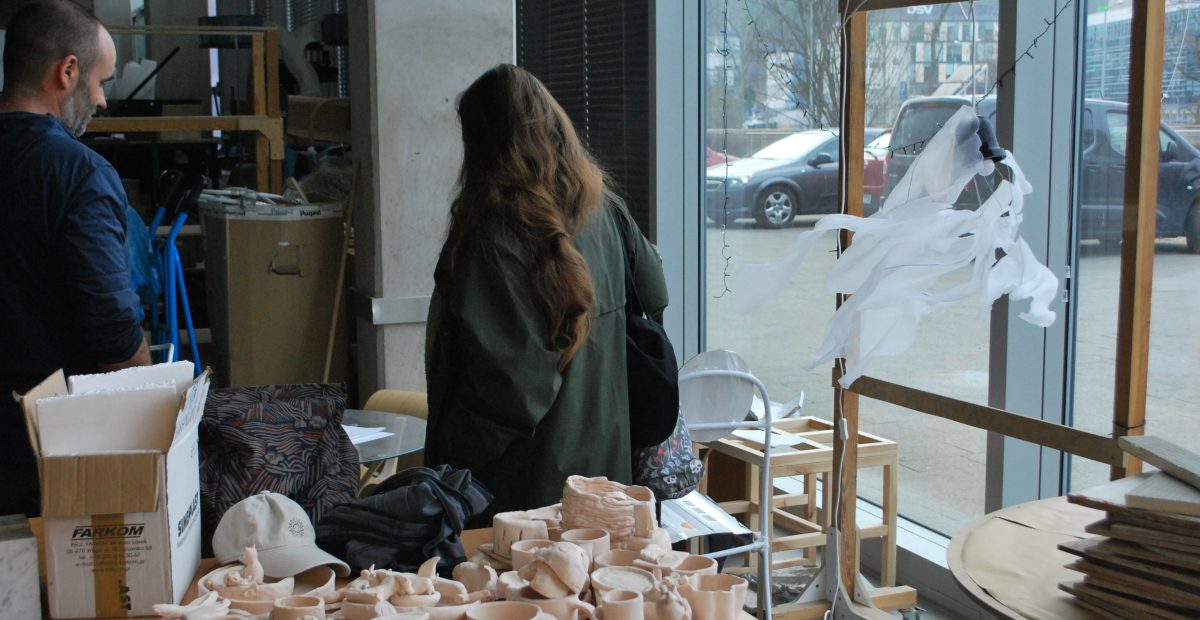
In June 2025, citizens were invited to take part in creative workshops, led by Ms. Elżbieta Konieczna from local organisation Karuzela Pasji. Using imagination, skill and a touch of craftsmanship, participants explored how to repurpose objects and give them a second life.
Tools and Partnerships
- Online Tools: Google Forms and email for submissions.
- Warehouse: Provided free of charge by the Pomeranian Science and Technology Park for a limited time.
- Promotion: Conducted in-house via social media, the Gdynia city website, posters in local shops, service points, schools, and kindergartens.
The Results
- Submissions: 32 unique submissions (target: ≥10).
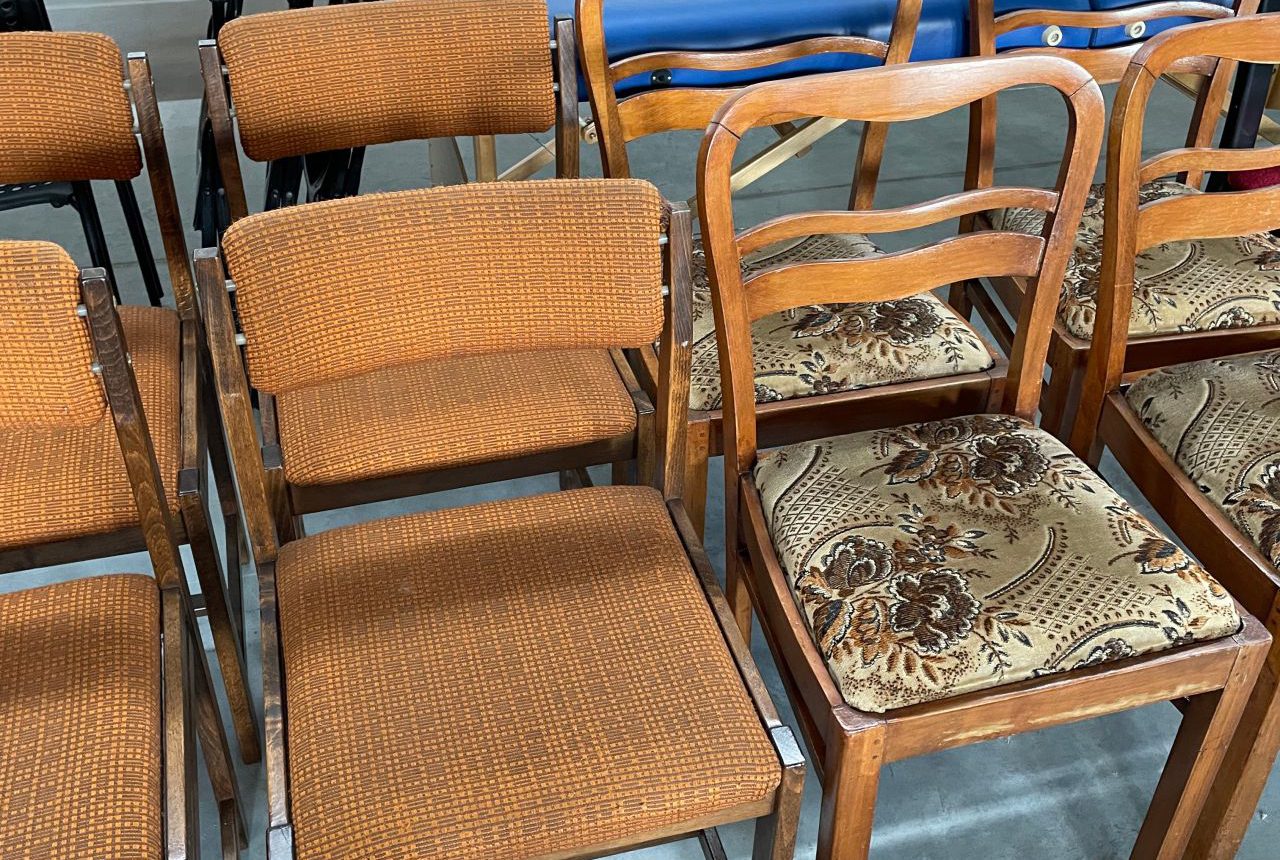
- Furniture Collected: 34 items transported free of charge.
- Reuse Rate: 52% of collected items were given a second life (target: ≥50%).
Engagement Indicators
- Citizens: Target met, steady interest and active participation.
- Businesses/Creative Sector: Target not met, insufficient engagement during the pilot phase. No support was provided for evaluating submitted items or collecting them as resources.
Success Measurement
The project was deemed successful if three conditions were met:
- Waste Diversion: ≥50% reuse → Achieved (52%).
- Minimum Submissions: ≥10 submissions → Achieved (32).
- Engagement from Businesses/Creative Sector: ≥5 engaged → Not achieved.
Overall: 2 of 3 success indicators achieved.
Contribution to Circular Economy in Gdynia
- Circular Lifestyles: Citizens experienced firsthand how easy it is to give unwanted items a second life, reducing landfill waste.
- Circular Business Aspects: Logistics for reuse and warehouse management proved effective. However, integration with local cultural institutions, creative businesses, and independent artists remains a development need.
- Scaling Potential: The pilot confirmed strong demand from citizens. Future phases should focus on strengthening partnerships with creative industries and SMEs to scale reuse and upcycling efforts.
Conclusion and Key Takeaways
This pilot demonstrated that citizens are ready to embrace circular solutions when provided with a trustworthy, simple, and accessible municipal service. By offering a user-friendly, free, and sustainable option, Gdynia can transform how bulky waste is managed, reducing environmental impact and costs.
Keys to Success
- Simplicity: Easy online reporting, free transportation, and clear guidance created a seamless experience.
- Partnerships: Collaboration with Remondis Poland and local organizations reinforced credibility and operational efficiency.
- Community Values: The initiative aligned with citizen priorities, fostering trust and engagement.
Recommendations for Scaling
- Expand Outreach: Broaden awareness campaigns to reach more citizens.
- Strengthen Partnerships: Engage local charities, social enterprises, and the Creative and Cultural Sectors and Industries (CCSI) to maximize reuse and community impact.
- Municipal Integration: Embed the solution within Gdynia’s existing waste management systems for long-term sustainability.
Business Model and Financing
Pilot Phase Financing
- Transportation: Mostly free (sponsored by Remondis Poland). Only two collections cost 180 EUR, financed by the “Pomorskie in the European Union” Association.
- Warehouse: Provided free of charge by the Pomeranian Science and Technology Park.
- Promotion: Conducted in-house (no additional costs).
- Online Tools: Free (Google Forms and email).
Future Business Model
To scale the initiative, Gdynia could adopt the following model:
- Transportation: Free or low-cost pickup, provided by the municipality or a social economy enterprise/NGO selected via an open call.
- Online Platform: Managed by the municipality and integrated into existing waste management systems.
- Storage: Multiple warehouses across city districts.
- Staffing: Personnel for collection and submission reviews could be provided by a social economy enterprise selected through an open municipal competition.
This model ensures cost-effectiveness, accessibility, and alignment with circular economy principles, making it feasible for long-term implementation.
Visuals and References
- Facebook Post: Gdynia Design Centre
- City Website: Gdynia Municipal Page