Summary
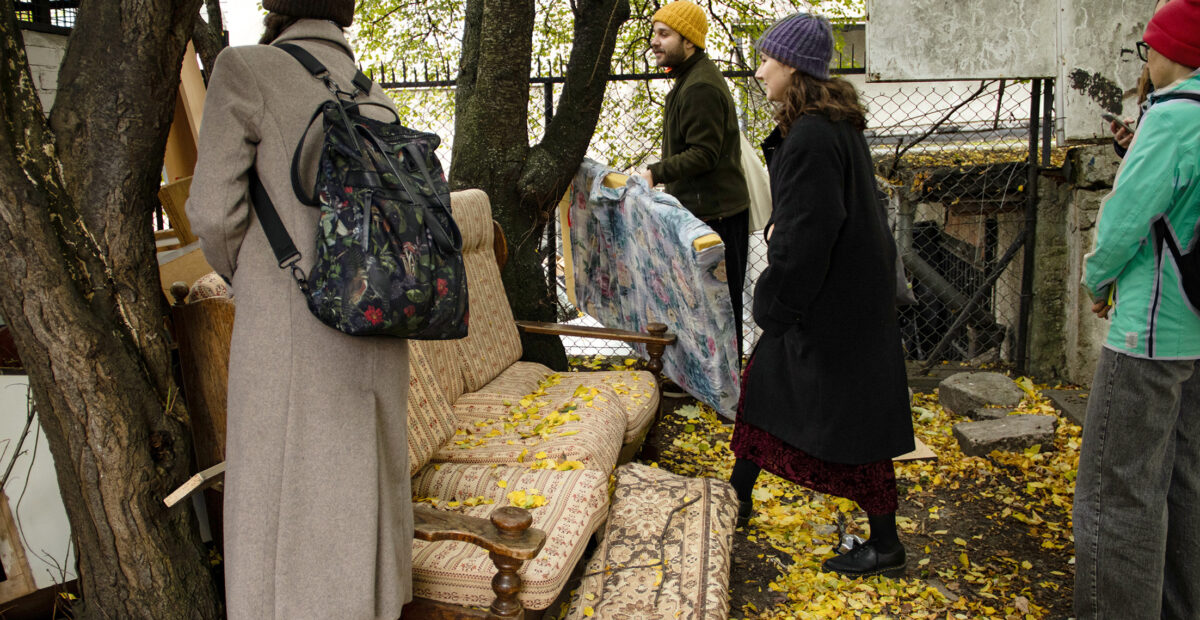
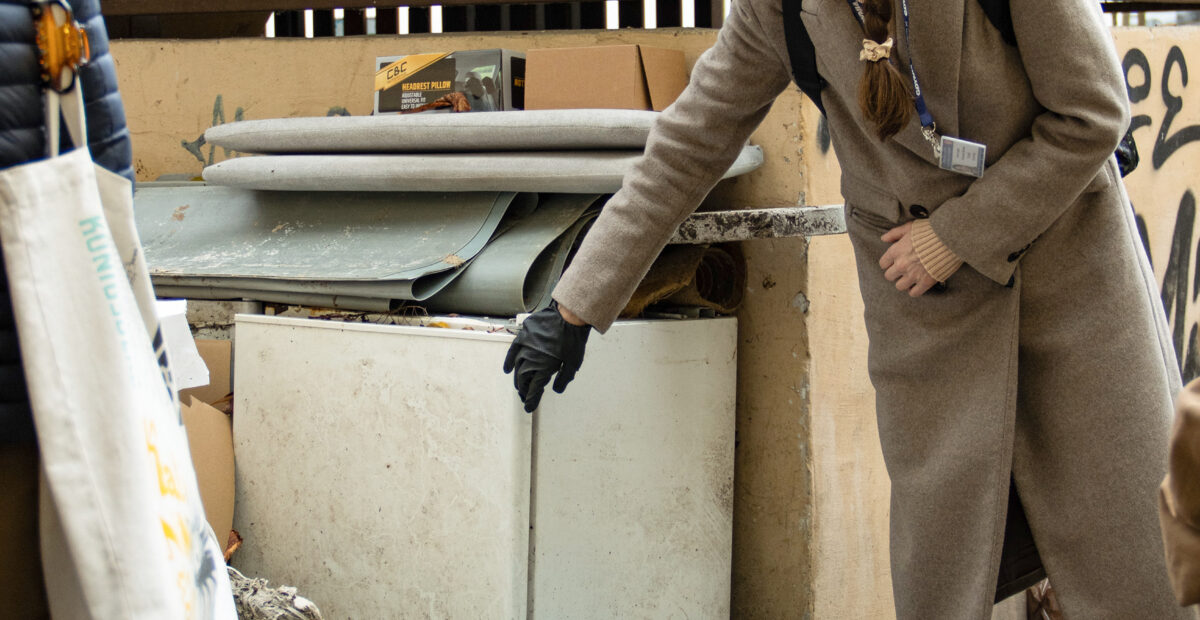
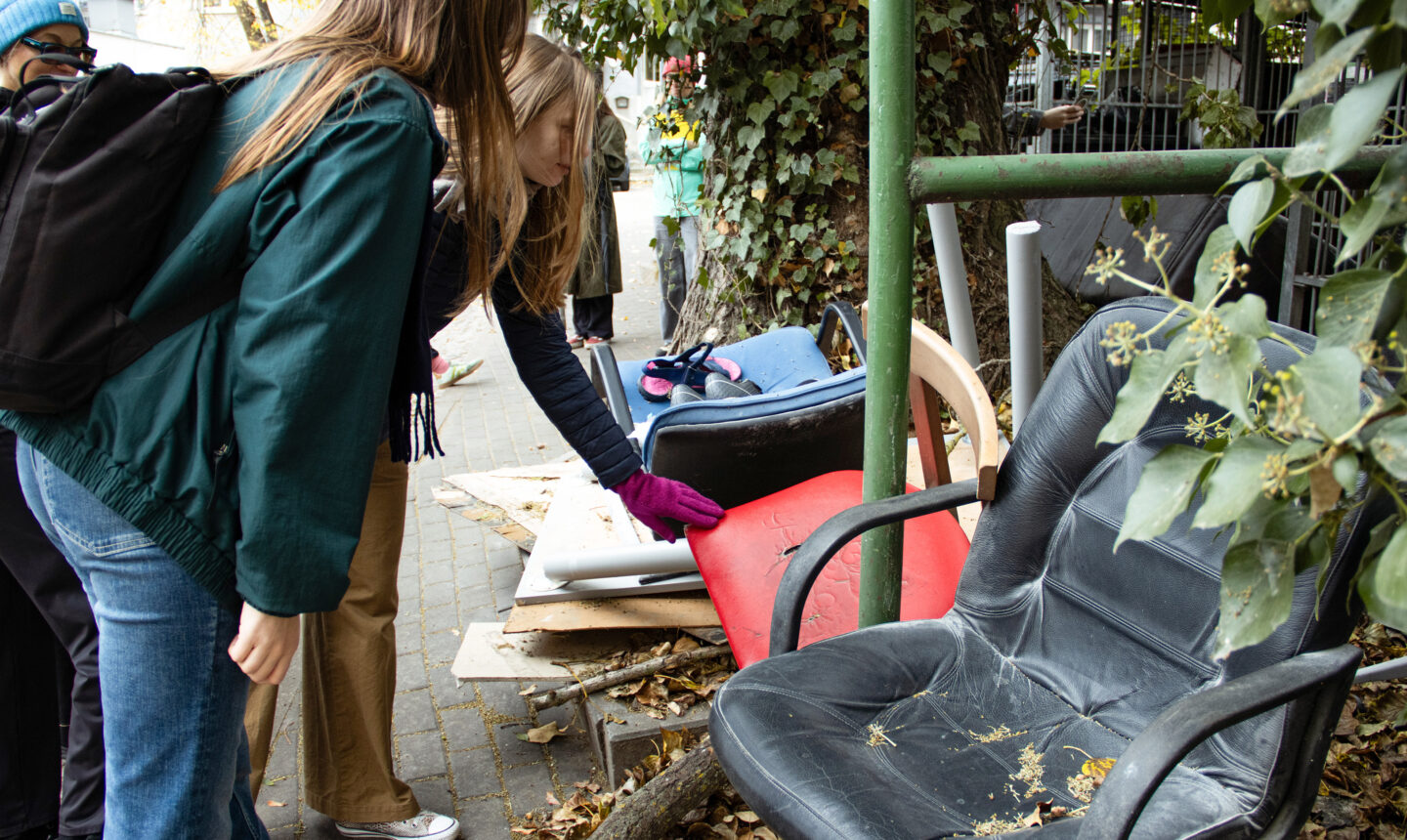
Abandoned bulky furniture – unwanted sofas, wardrobes and other large items – poses a dual challenge for cities: it ruins urban spaces and represents a loss of valuable resources. In Gdynia, it also generates significant costs for both the municipality and its residents. The best solution is to intercept these items before they reach the streets, deteriorate and end up in landfills.
CCC project partners ran a pilot and based on conclusions designed a model for a complete urban service — logistics, item assessment, storage, preparation for reuse.
The resulting model is transferable to any city, adaptable through four pathways (simple pilot, local partners, city-system integration, or a creative ecosystem), proving the service must be built first and digitized only afterwards. Two practical guides were developed to help cities get started.
The Problem
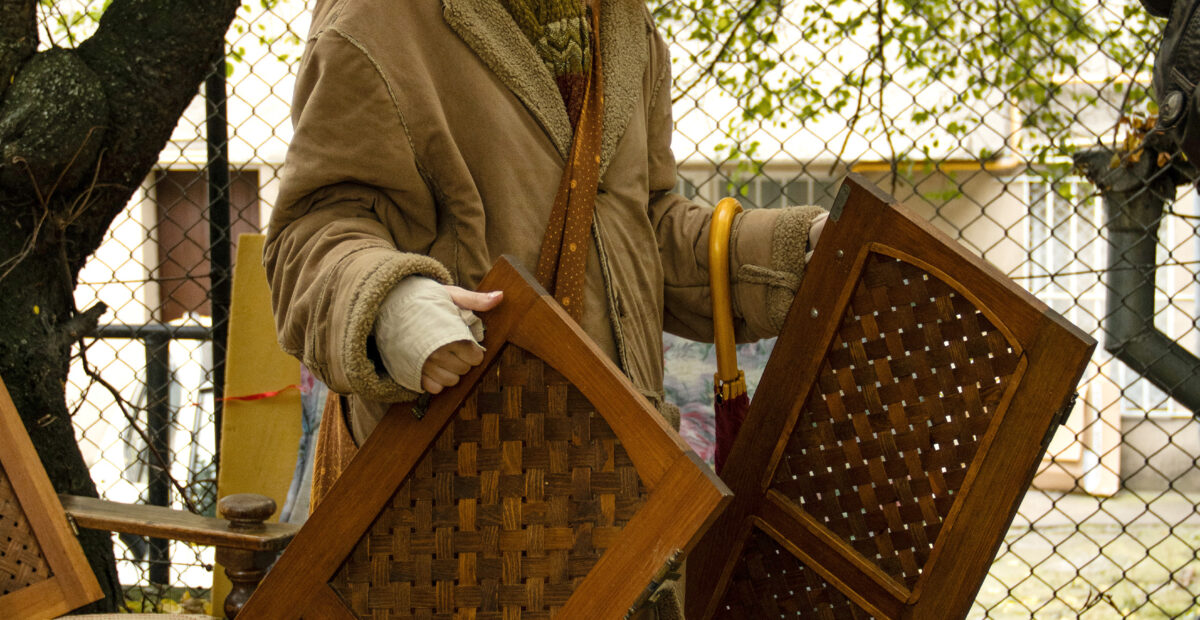
Every year, thousands of pieces of furniture and furnishings enter the bulky waste stream that could still serve other users. At the same time, social organizations, cultural institutions, schools, neighbourhood initiatives and creative-sector actors are actively seeking exactly such resources.
The core problem is not only that valuable items are thrown away. Donors and potential recipients exist in two completely separate worlds – there is no mechanism connecting them. The pilot therefore asked a question upstream of recycling: how do you prevent a good item from becoming waste at all?
The Solution
The Pass It On model was developed to explore new ways of leveraging the circular economy as a tool for urban development and to create models of cooperation between local governments, residents, and the cultural and creative sectors. The Polish partners were PPNT Gdynia | Design Center and the Pomorskie in the European Union Association.
An early assumption was that an online platform for the submission and reservation of items would suffice, however, deeper investigation showed that technology solves only a small part of the problem: even the best platform will not carry a sofa down from a fourth floor without a lift, assess its condition, decide whether transport is worthwhile, find storage space, or prepare the item for reuse.
The design process therefore shifted from a digital tool to designing an entire service, of which the platform is one element. This shift became the most important moment of the process.
The service model was developed through:
- Conversations with residents and city representatives
- Consultations with social, creative and cultural sector organizations
- Cooperation with project partners
- Analysis of existing practices
- Iterative design of the service process
- Construction of a prototype and verification of assumptions
Each stage deepened the understanding not only of the problem itself, but of the relationships between the people, objects and organizations that together form the system.
The Results
The result is a Pass It On model that can be developed, modified and adapted to local conditions – a transferable set of principles, processes and experiences, accompanied by implementation guides for municipalities. Four adaptation pathways were defined:
- Start with a simple pilot. The simplest possible process: collecting applications, verifying interest, observing which items appear most often and who wants them. A consciously designed step in understanding local needs rather than a full-scale service. Works when: the city is beginning circular economy activities; experience and data are lacking; the goal is to reduce risk before larger investment.
- Base the system on local partners. Social organizations, foundations, cultural institutions and local initiatives – with years of experience working with residents and reusing resources – provide the greatest capital. The city’s role is to create conditions for cooperation and coordinate the ecosystem. Success depends primarily on the quality of partnerships. Works when: there is an active social sector; the city wants to co-develop the solution; building local relationships matters more than scale.
- Integrate the service into the city system. In larger cities, the model can become part of existing municipal services, with responsibility held by the city operator or local government unit using existing infrastructure, procedures and competences. This requires the most organizational preparation but offers the greatest development potential — Pass It On becomes a permanent element of the city’s resource management system rather than a one-off project. Works when: the city has appropriate infrastructure; an operator is available; the goal is long-term, city-wide action.
- Build a local ecosystem around objects. The greatest potential lies not in the donation itself but in what happens next: repairs, renovations, carpentry workshops, educational projects, new products from recycled materials, and collaborations with artists and entrepreneurs. Pass It On becomes a platform for cooperation between residents, institutions and the creative sector — where the circular economy moves beyond waste management and becomes an impulse for new social, environmental and economic value.
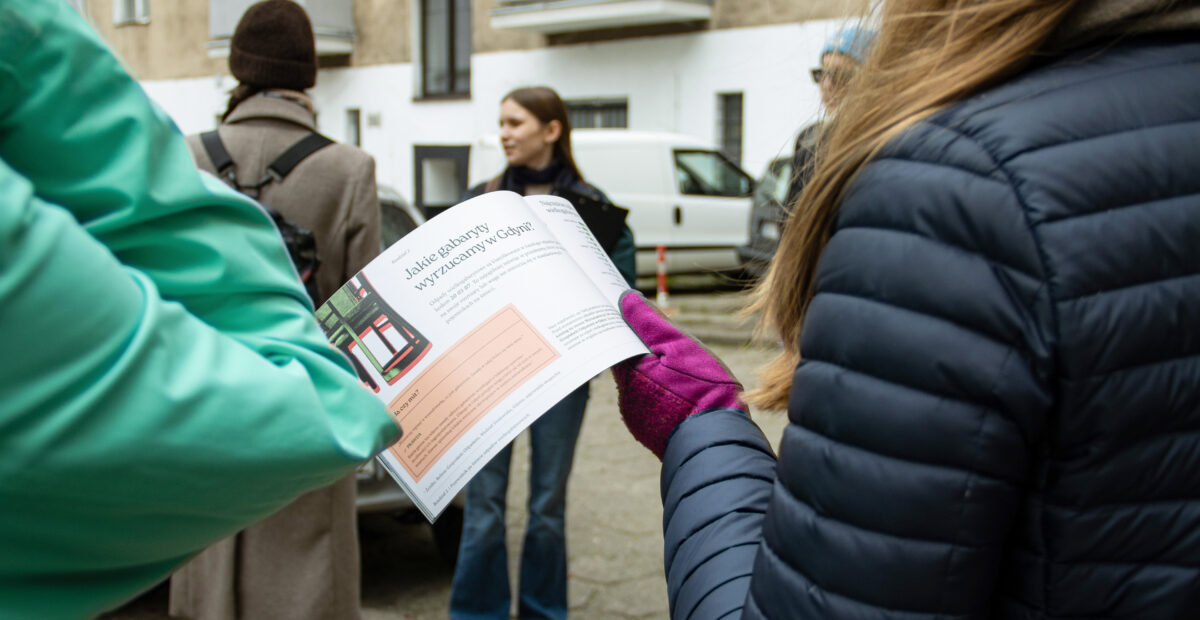
To help cities, we designed a set of implementation guides that will help municipalities to get started with Pass it on
- PASS IT ON Implementation Guide A model for a municipal circular service for the reuse of furniture and fittings. https://ppnt.pl/wp-content/uploads/Pass_It_On__Implementation_Guide_EN.pdf
- PASS IT ON Starter Kit: https://ppnt.pl/wp-content/uploads/Pass_It_On__Starter_Kit_EN.pdf
Conclusions and Key Takeaways
The pilot confirmed that the greatest value of Pass It On is not the platform itself, but a designed process that allows an item to be safely and predictably transferred from one context to another. This requires more than a form and a catalogue: it requires clear qualification criteria, well-planned logistics, storage space, user communication, and data allowing the effectiveness of the whole system to be assessed.
Key conclusion: if a similar model is to work in the future, it must be designed as a city service supported by a digital tool.
Success factors:
- Service-first perspective
- Iterative, dialogue-based service design with residents, organizations and partners
- Adaptability: matching different city sizes, capacities and ambitions
- Ecosystem thinking that extends value beyond the moment of transfer
Want to keep reusable furniture in circulation in your city? Explore the Pass It On model and implementation guides: https://ppnt.pl/projekty/podaj-dalej/