A Participatory Circular Economy Model for Riga
Introduction
The Bolderāja Library Garden project, led by Riga Energy Agency in collaboration with Riga Central Library, the Riga Municipal Neighbourhood Residents’ Centre, municipal departments, local NGOs, and residents, transformed an underused public space into a functional, inclusive, and circular community asset. The initiative demonstrated how circular economy principles, such as reuse, adaptive design, and shared use of space, could be applied at the neighbourhood level, even in areas with low civic participation and skepticism toward collective initiatives.
By embedding citizen engagement into the redevelopment process, the project not only improved the garden but also strengthened local awareness and acceptance of circular practices, serving as a model for Riga’s broader circular economy strategy.
The Problem
The Bolderāja neighbourhood, home to approximately 12,000 inhabitants, faced significant challenges:
-
Low civic participation: Only 43% of residents identified as Latvian, and over one-third expressed unwillingness to participate in joint activities.
-
Skepticism toward new ideas: The community was hesitant to engage in collective initiatives.
-
Underused public space: The Bolderāja Library Garden was an untapped resource with potential to foster community connection and sustainability.
Despite these barriers, Riga sought to demonstrate the practical application of circular economy principles at the neighbourhood level, aligning with its Long-Term Circular Economy Strategy 2040 and Climate Neutrality Plan for 2030.
The Solution
The project adopted a phased, participatory approach to integrate circular economy principles into the garden’s redevelopment. The strategy combined early awareness-raising with progressive, hands-on engagement, allowing residents to contribute at varying levels of involvement.
Tools and Methods
-
Local outreach: Informal engagement at cultural events, such as the Ancient Fire Night Day on Daugavgrīva Beach (August 31, 2024).
-
Open ideas competition: “My Cultural Garden in Bolderāja” (launched September 11, 2024) invited residents to submit their visions for the garden.
-
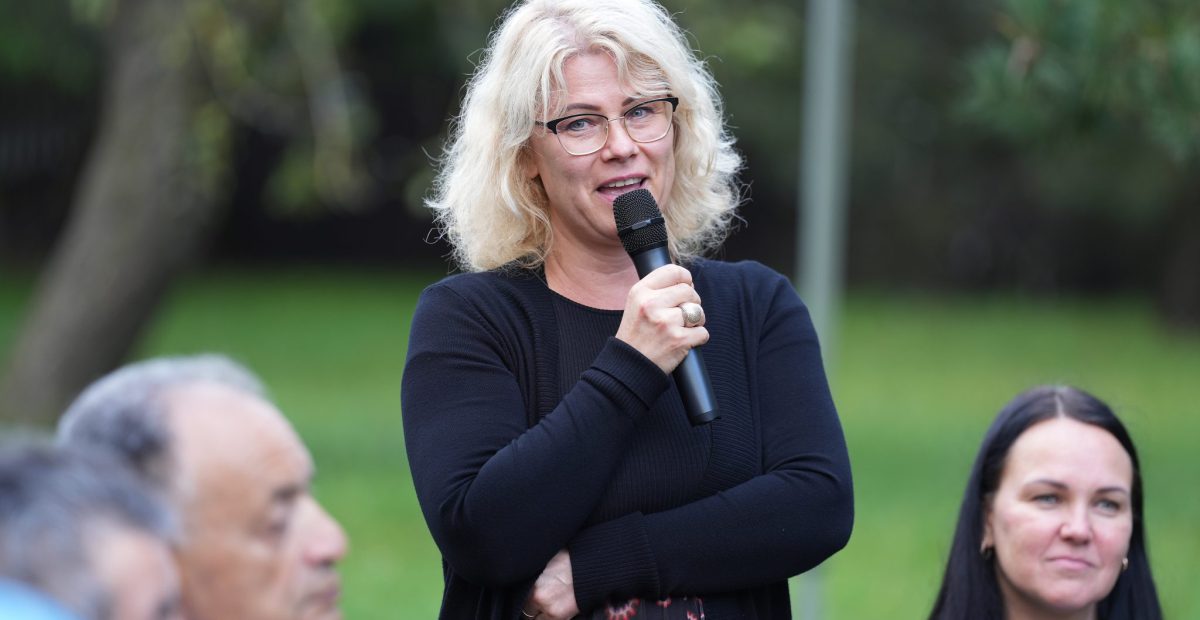
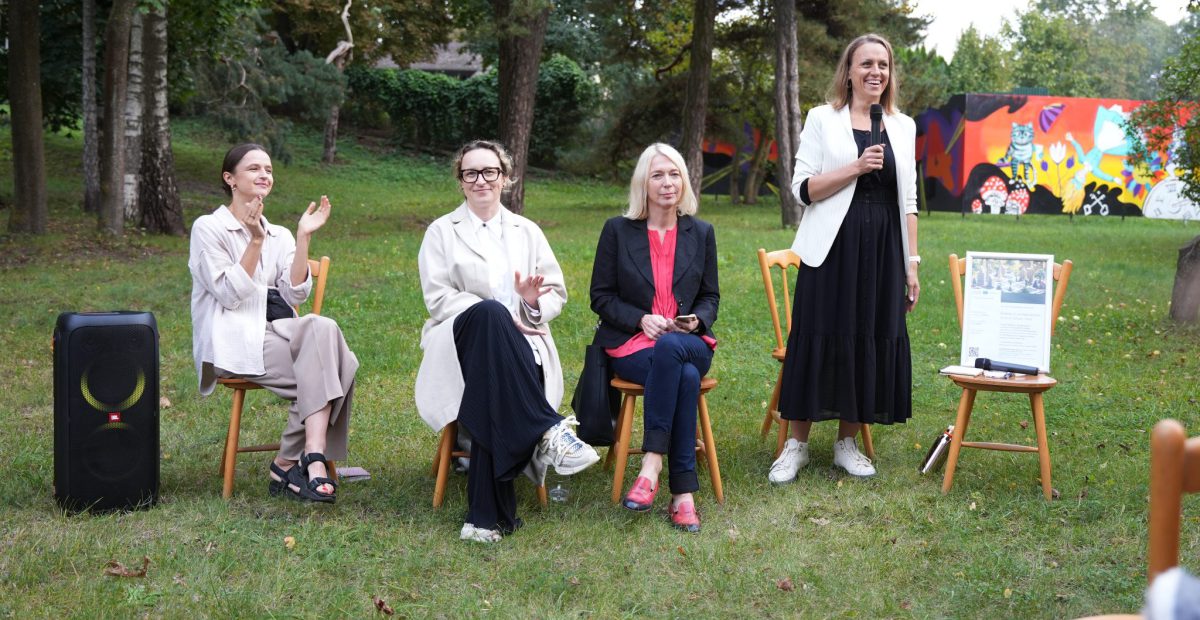
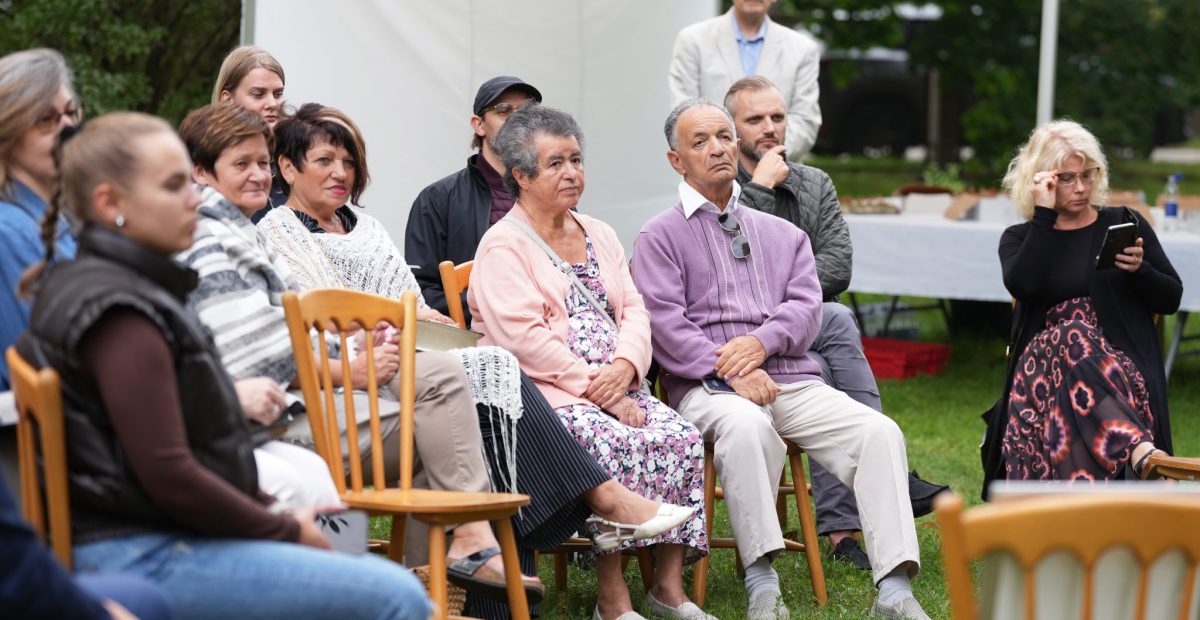
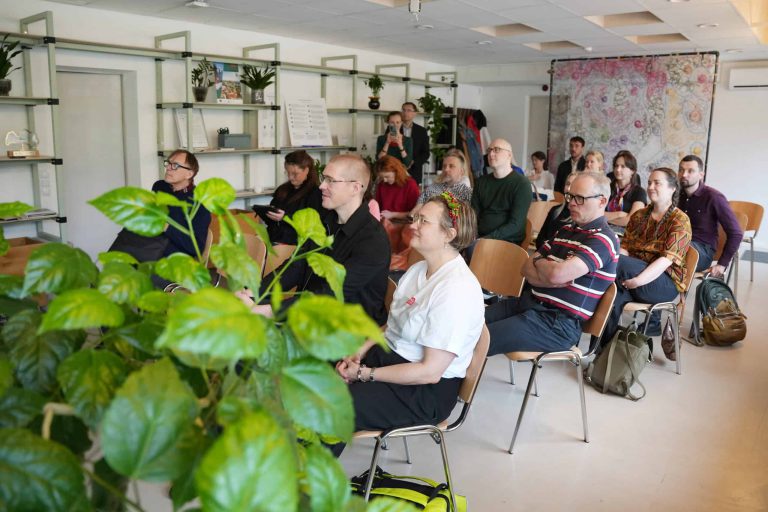
Co-Creation workshops: A picnic event (September 18, 2024) allowed residents to explore the garden’s potential alongside experts and municipal employees.
-
Youth hackathon: Held on November 20, 2024, in a local school, this event engaged young residents in brainstorming improvements for the garden and their local environment.
-
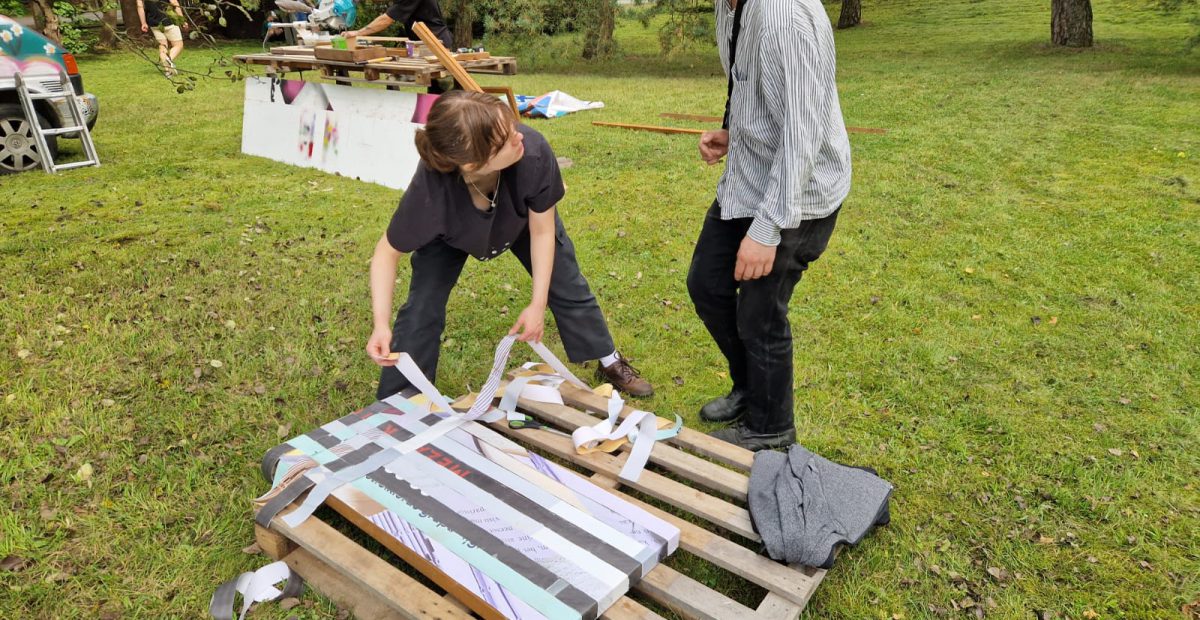
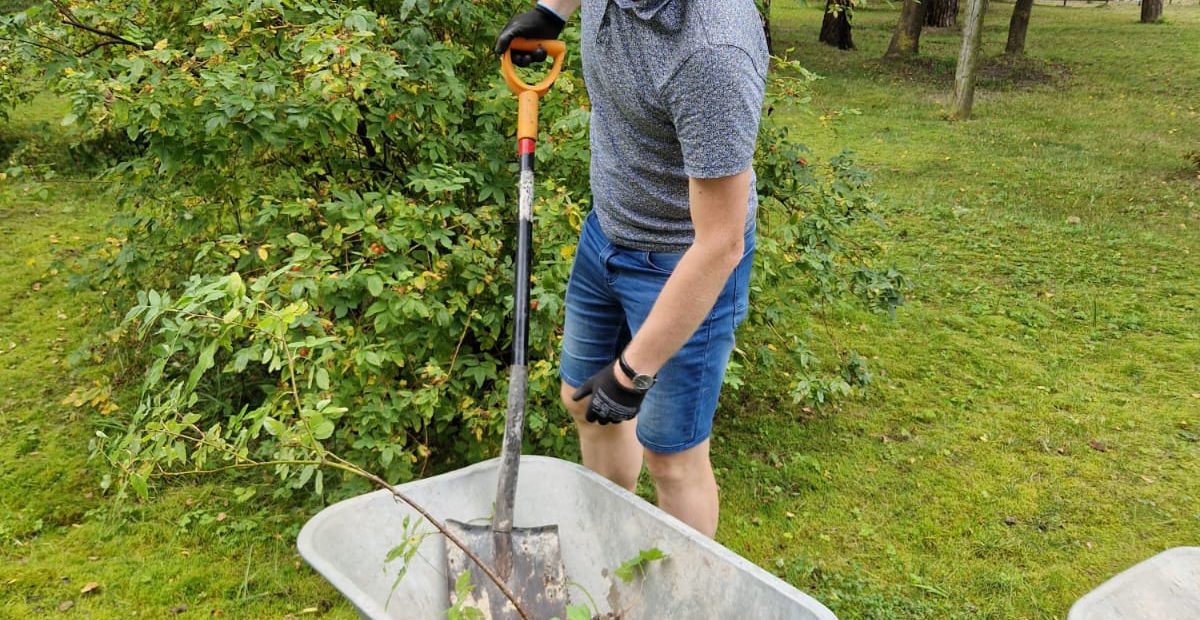
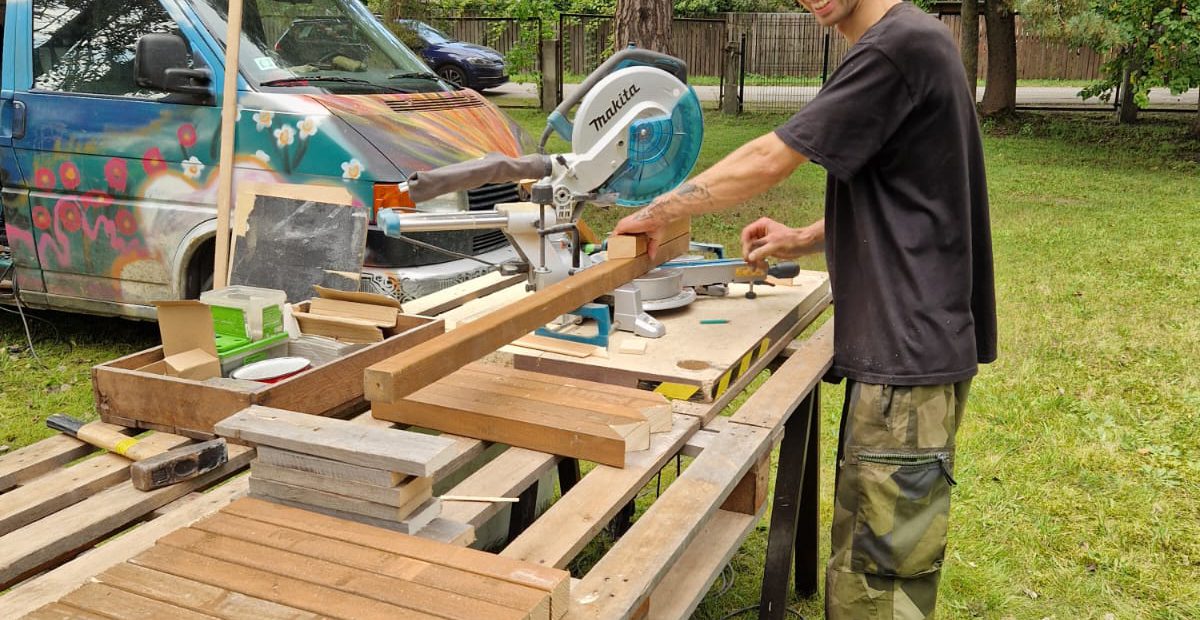
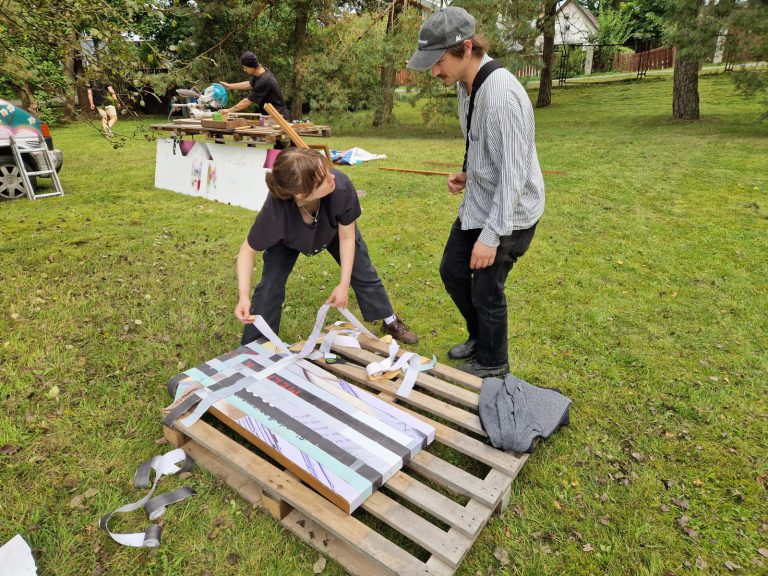
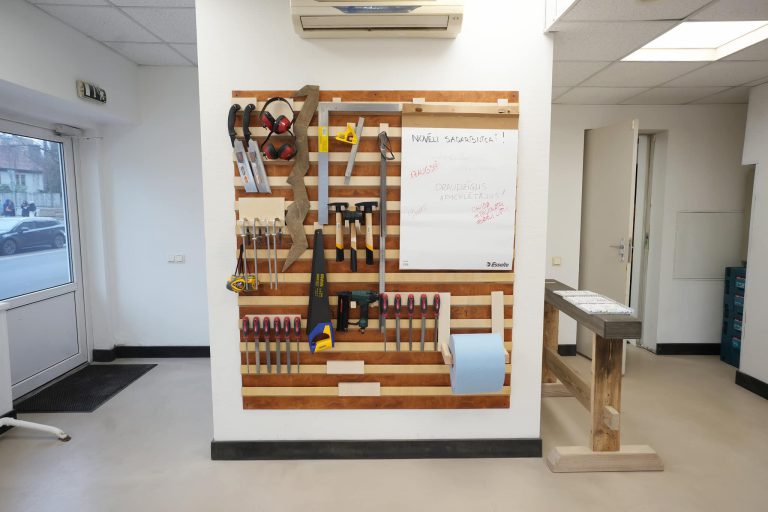
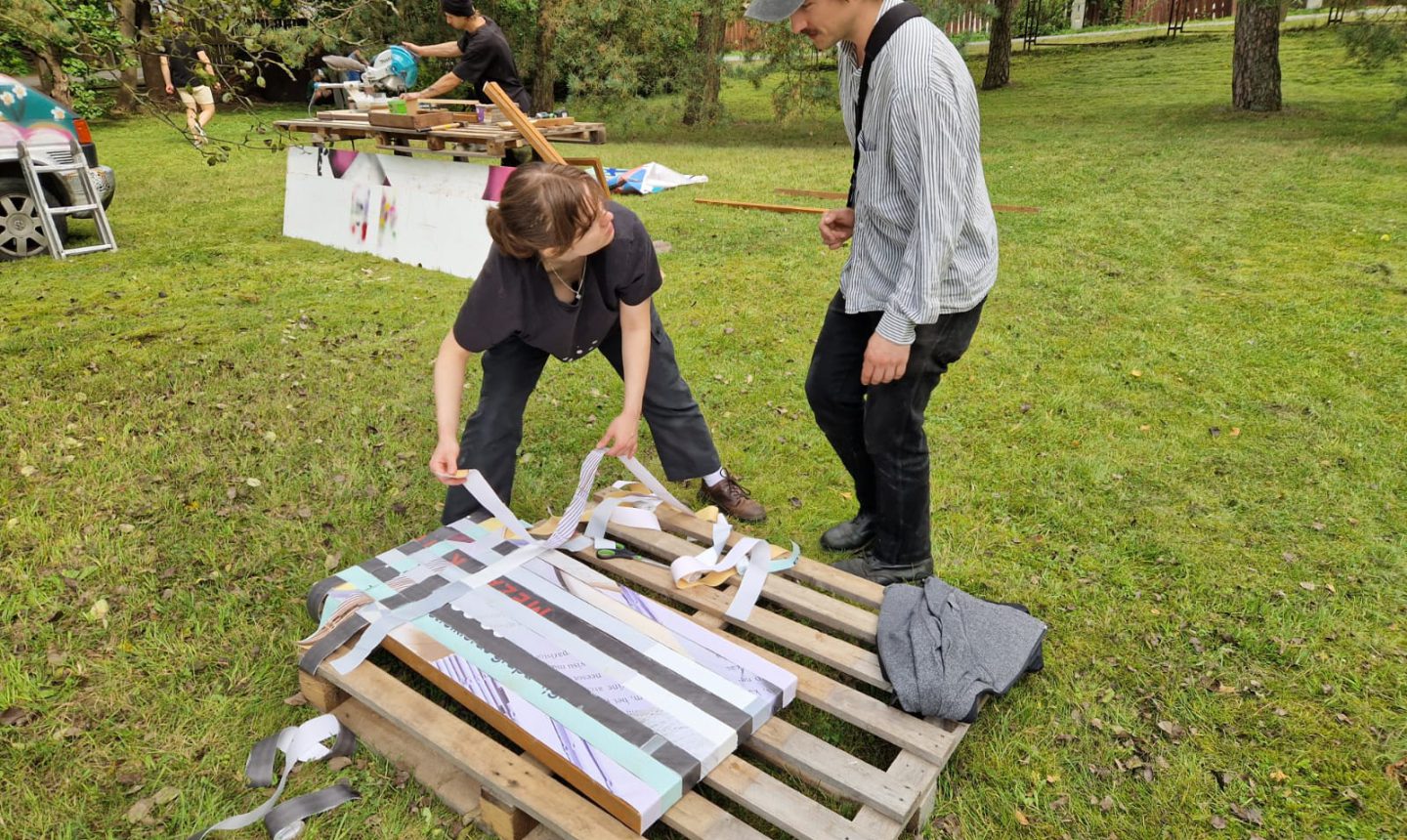
Hands-on prototyping: Residents and contractors collaborated in practical workshops (e.g., September 6, 2025) to test and refine design elements, such as wicker benches made from recycled materials and adapted greenery.
Key Steps
-
Ideas competition: Residents submitted proposals for the garden’s redesign.
-
Public procurement: Citizen input was systematically integrated into the technical specifications for the garden’s design and construction. The contract was awarded to Tandeems Cycle on July 2,
-
Community feedback: A public meeting (August 6, 2025) allowed residents to review sketches and provide additional suggestions.
-
Prototyping and construction: Practical workshops and construction began in September 2025, with completion expected in spring 2026.
-
Final engagement: Two additional events, including a final discussion on future garden activities and a planting day for flowers and bushes.
The grand opening took place at the end of May 2026, featuring a concert by young artists from the local music school.
The Results
The Bolderāja Library Garden officially opened in spring 2026, achieving the following outcomes:
-
Tangible transformation: The garden was redesigned as a functional, inclusive, and circular community space, incorporating reused materials, adaptive design, and resource-efficient solutions.
-
Policy integration: The project served as a demonstration model for integrating citizen engagement into circular economy policy, informing Riga’s broader approach to participatory urban development.
-
Institutional learning: Lessons from Bolderāja strengthened the capacity of municipal actors to mainstream circular economy principles across other neighbourhoods and initiatives.
Contribution to Circular Economy in Riga
-
Citizen Empowerment: Residents gained firsthand experience in co-creating a circular space, shifting perceptions of circularity from an abstract concept to a practical, beneficial approach.
-
Institutional Coordination: The project highlighted the importance of strong collaboration between municipal departments, NGOs, and residents.
-
Scalability: The participatory model can be replicated in other neighbourhoods, fostering local ownership and circular practices citywide.
Conclusion and Key Takeaways
The Bolderāja Library Garden project successfully transformed an underused space into a vibrant community spot by embedding circular economy principles into its redesign. The initiative demonstrated that structured citizen engagement, combined with adaptive design and reuse of materials, can translate high-level policy goals into tangible, neighbourhood-level benefits.
Keys to Success
-
Phased engagement: A gradual, adaptive approach allowed residents to engage at their own pace, building trust and participation over time.
-
Institutional Leadership: Riga Energy Agency played a central role in coordinating efforts across municipal departments and local stakeholders.
-
Systematic Integration of Input: Citizen ideas were documented and incorporated into public procurement and design decisions, ensuring tangible influence on the final outcome.
Lessons for Similar Initiatives
-
Tailor engagement to the context: In areas with low participation, experiential and co-creative formats (e.g., workshops, hackathons) can break down barriers and foster buy-in.
-
Leverage local partnerships: Collaboration with libraries, schools, and NGOs can amplify reach and impact.
-
Document and showcase impact: Highlighting visible changes (e.g., prototyped benches, greenery) reinforces the value of circular practices.
Call to Action
Bring Circular Economy to Your Neighbourhood
Interested in learning how participatory circular economy projects can transform your community? Contact Riga Energy Agency to explore collaboration opportunities, share insights from the Bolderāja Library Garden case, or adapt this model to your local context.
Learn more about Riga’s circular economy initiatives:Riga Energy Agency Website
Business Model and Financing
Pilot Phase Financing
-
Primary funding: The Creative Circular Cities (CCC) project covered the majority of activities.
-
Youth hackathon: Carried out in cooperation with local NGO Zero Waste Latvija.
-
Citizen engagement: supported by Riga Municipality institutions, including:
-
Riga Municipal Neighbourhood Residents’ Centre
-
Riga Central Library
-
Riga Education, Culture, and Sports Department
-
Riga City Communications Department
-
Riga Property Department
-
Future Maintenance
-
The Riga Property Department will oversee the long-term maintenance of the library garden.
Visuals and references
Explore the journey of the Bolderāja Library Garden through these links:
-
Idea Competition: “My Cultural Garden in Bolderāja”
-
Picnic Event: September 18, 2024
-
Youth Hackathon: November 20, 2024
-
Closing Event: January 10, 2025
-
Prototyping Workshop: September 6, 2025
-
Photo Gallery: Flickr Album
-
Video: YouTube Short