Summary
Tallinn Business Incubator organised 14 public seminars in the Design Meets Science series, two international study trips and an incubation and mentoring programme for creative professionals.
The aim of the program was to strengthen participants’ knowledge of circular economy principles, expand international collaboration and support the development of new sustainable products, services and business opportunities.
- Around 780 people participated in the seminar series.
- 490 participant-visits were recorded across 17 incubation trainings and workshops.
- 37 creative professionals gained international networking opportunities through study visits to Eindhoven and Copenhagen.
- 122 hours of mentoring were delivered to designers, artists, entrepreneurs and students.
- An open lecture by Charles Johnson attracted 42 attendees.
The study trips were organised together with the Danish Culture Institute, Eindhoven Design Academy, the Lifestyle and Design Cluster and several Creative Circular Cities (CCC) project partners.
The seminar series ran in collaboration with TalTech, Tallinn University, Music Estonia, the FinEst Centre for Smart Cities, the Estonian Defence and Aerospace Industry Association and the Centre of Food and Fermentation Technologies, among others.
The programme was delivered in cooperation with international and local lecturers, including New Standard Studio, Berghs School of Communication (Berghs SOC) and EKKAK.
About the Organization
Tallinn Business Incubator (formerly Tallinn Creative Incubator) is one of Estonia’s leading business support organisations for creative industries, design and cultural entrepreneurship. For more than 20 years, it has provided incubation services, mentoring, training and internationalisation support for entrepreneurs and creative professionals.
Within the Creative Circular Cities (CCC) project, Tallinn Business Incubator worked closely with TalTech, Tallinn University and several European partners to strengthen collaboration between academia, business, designers, researchers and citizens. The organisation focused on creating practical opportunities for knowledge exchange, networking and circular innovation.
The Challenge
The creative sector increasingly recognises the importance of circular economy principles. Yet many designers, researchers and entrepreneurs still work in separate ecosystems, with limited opportunities for collaboration.
The main identified needs were:
- Improving understanding of circular design methods and sustainable innovation;
- Increasing international cooperation and knowledge exchange;
- Supporting creative professionals in developing sustainable products, services and international business opportunities;
- Creating stronger collaboration between designers, researchers, entrepreneurs, citizens and circular economy experts.
These challenges required coordinated activities that individual organisations could not deliver alone. International expertise, academic cooperation and multidisciplinary networking were essential to achieve meaningful impact.
The Solution
Tallinn Business Incubator designed a multi-layered programme combining public engagement, international learning and professional capacity building.
Design Meets Science seminar series
Together with its main cooperation partner TalTech, Tallinn Business Incubator organised a regular seminar series throughout 2024–2026, covering topics including:
- Fungus-based materials;
- Plastics solutions;
- Food technologies;
- Wood innovation;
- 3D printing;
- Beverage technologies;
- Textile waste;
- Industrial waste;
- The music industry;
- Beauty innovation;
- Bio-based materials;
- Health innovation;
- Security and defence;
- The game industry.
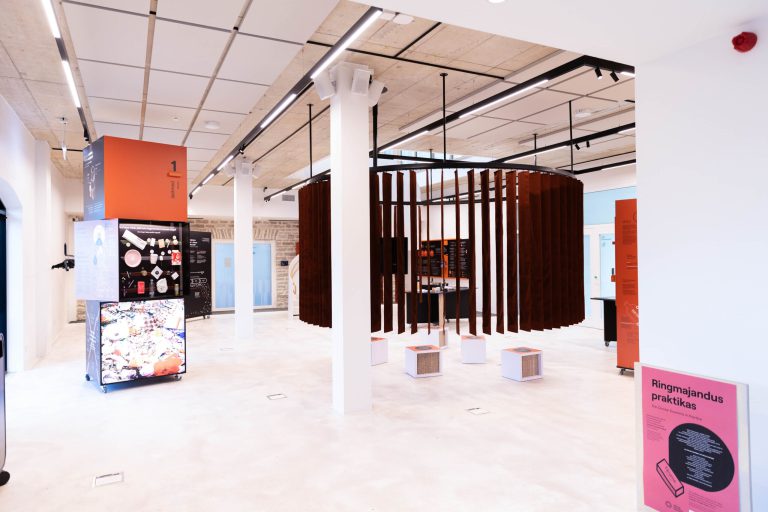
Each seminar included expert presentations, networking opportunities and laboratory visits at TalTech or Tallinn University. All events were free of charge and open to the public.
International study trips
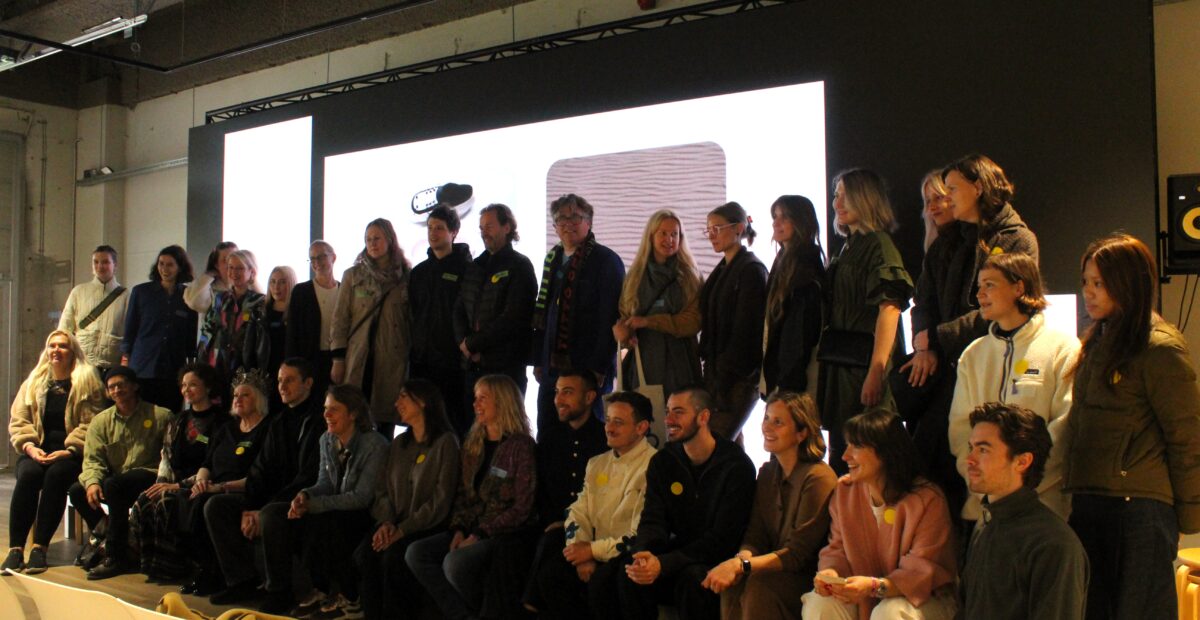
Eindhoven Study Trip (19–22 October 2025). The study trip Design with Impact: Exploring Circular Design Practices in the Heart of Dutch Creativity was organised together with Eindhoven Design Academy during Dutch Design Week. Activities included:
- Networking events;
- An expert panel with local emerging and established designers, exploring the role of creatives in circularity;
- The Design Academy graduation tour.
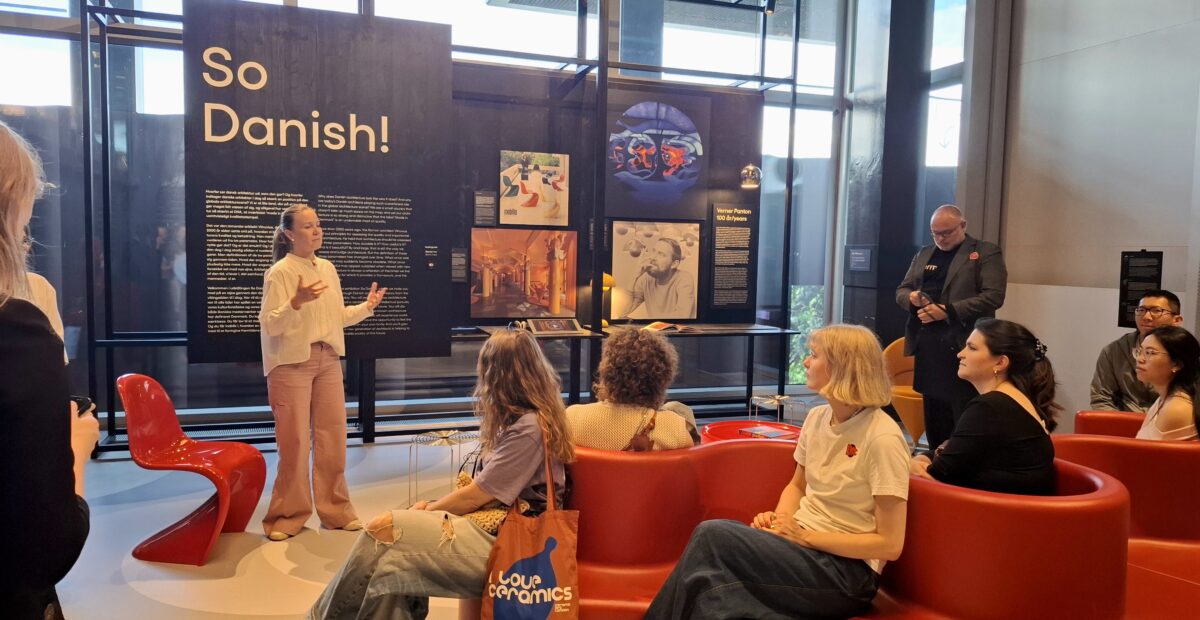
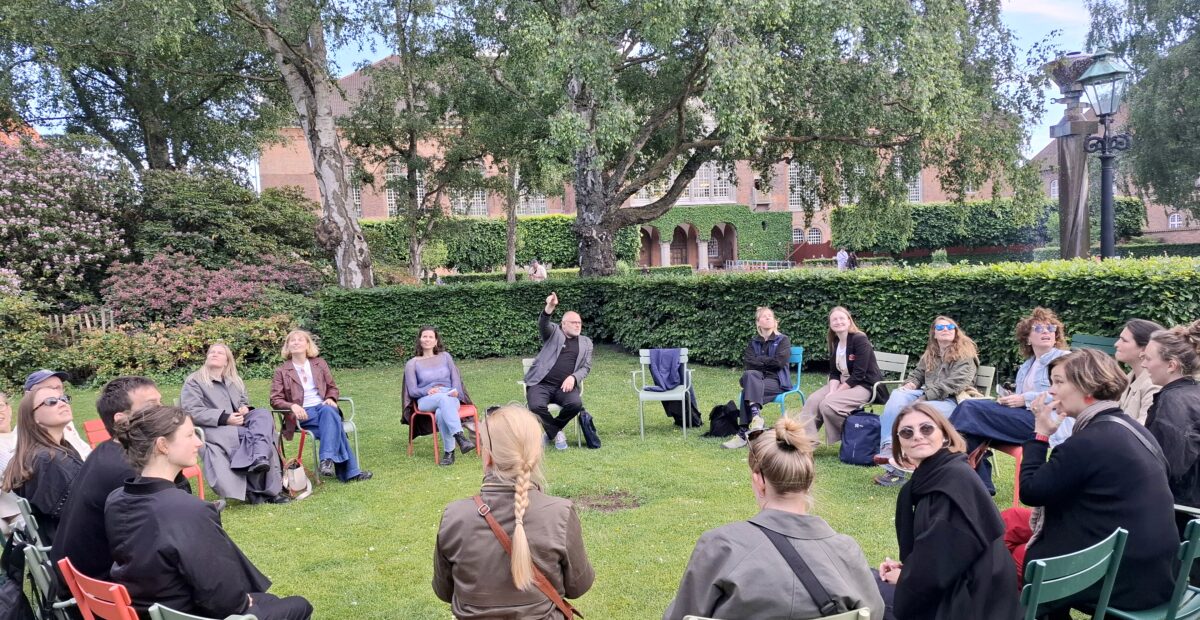
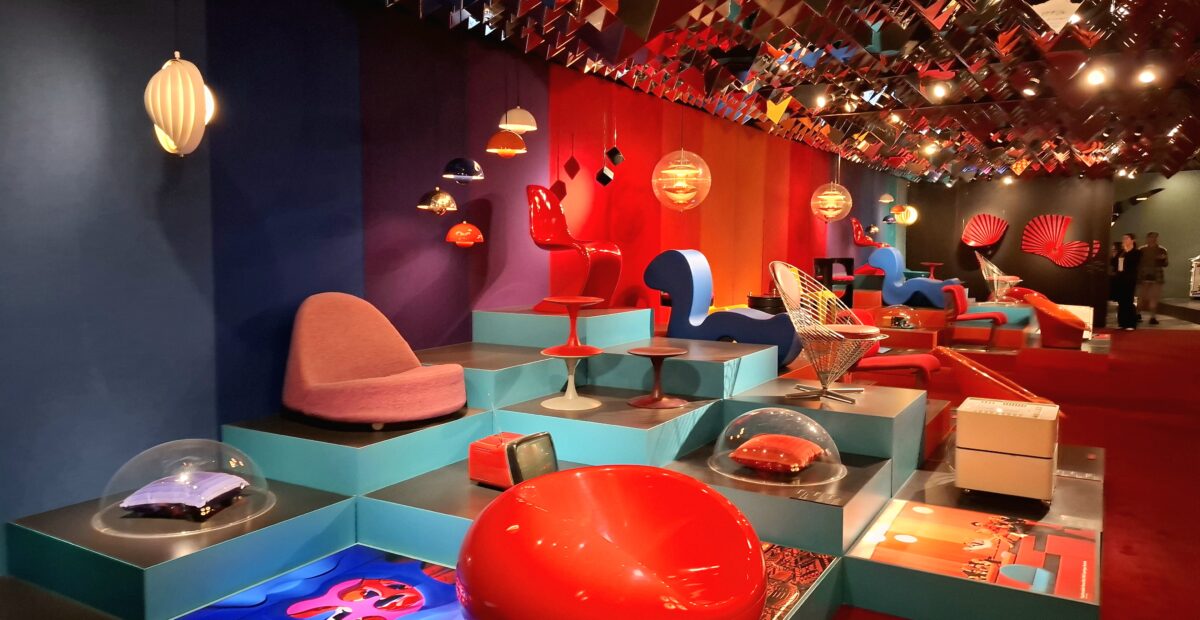
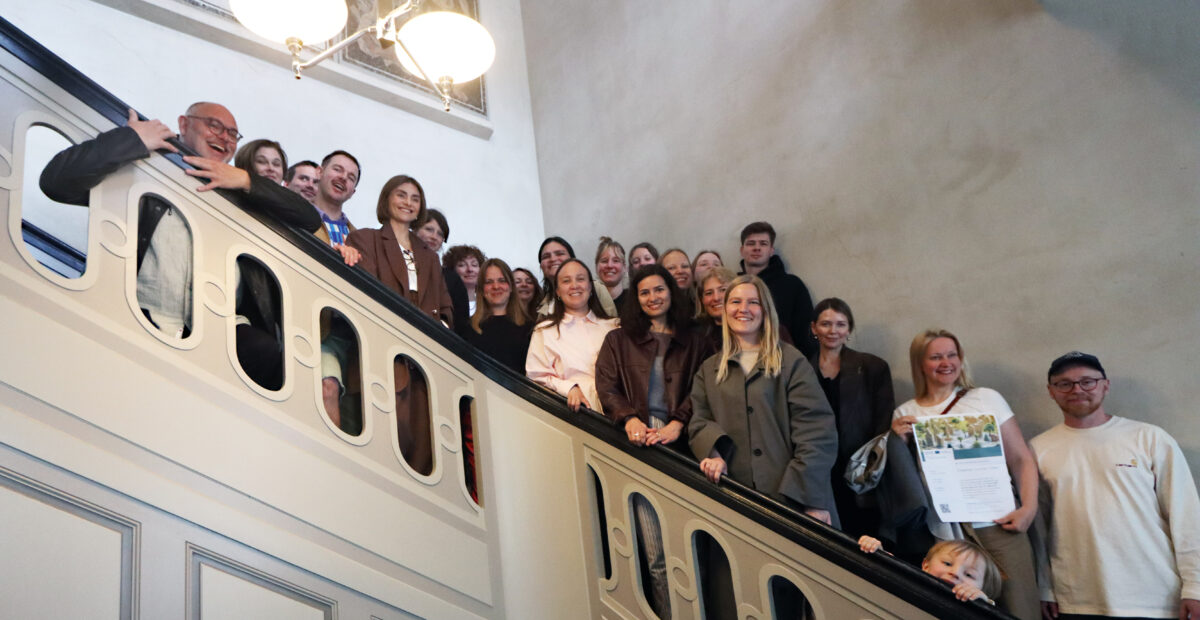
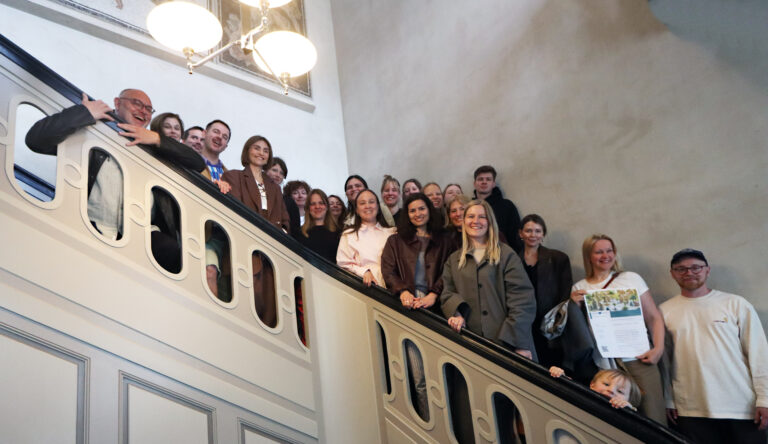
Copenhagen Study Trip (10–12 June 2026) It brought together creative and cultural professionals, including architects, photographers and material researchers from the CCC cities with the aim to connect, inspire and inform participants on the latest trends of circular design and sustainable materials. The visit to the 3 Days of Design festival, which was organised in cooperation with the Lifestyle and Design Cluster, , focused on sustainable fashion, design and architecture, providing additional international networking opportunities for designers and architects from the CCC cities. Activities included:
- A visit to the Danish Architecture Center;
- A visit to the Design Museum;
- A talk by the Lifestyle and Design Cluster.
In total, about 40 creatives joined the two study trips.
International incubation programme
During the first half of 2026, Tallinn Business Incubator organised five international training modules combining lectures and workshops:
- Sustainable Product Design (12 hours);
- Sustainable Service Design (4 hours);
- Storytelling that Builds Trust (9 hours);
- International Career Development for Visual Artists (11 hours);
- Preparing for International Markets (20 hours).
International mentoring programme
During September and October 2026, Tallinn Business Incubator organised an international mentoring programme covering multiple topics:
- Circular design, sustainable product development and material innovation;
- Circular economy metrics and impact assessment;
- Target market analysis, marketing, and retail and distribution channels in the Nordic countries, Germany and the US;
- Professional presentation of artists and international visibility.
In total, 122 hours of mentoring were given to designers, creatives, entrepreneurs, artists and students.
The Results
Success was measured through participation numbers and participant feedback.
| Indicator | Result |
| Design Meets Science seminars | 14 |
| Seminar participants | 780 |
| Incubation trainings & workshops | 17 |
| Incubation participant-visits | 490 |
| International study trips | 2 |
| Eindhoven study trip participants | 18 |
| Copenhagen study trip participants | 19 |
| Charles Johnson’s open lecture attendees | 42 |
| Mentoring hours | 122 |
Qualitative outcomes
- Increased awareness of circular economy principles;
- New international contacts and collaboration opportunities;
- Improved understanding of sustainable product and service development;
- Positive participant feedback highlighting the practical relevance and quality of the training programme.
Key Takeaways
The project demonstrated that combining public seminars, international study visits and structured incubation can create a strong ecosystem for circular innovation.
Key success factors included:
- Practical learning through seminars and study visits;
- Multidisciplinary networking;
- Open-access events attracting diverse audiences;
- High-quality international experts;
- Long-term cooperation between academia and the incubator.
The approach offers a transferable model for other cities wishing to strengthen collaboration between research, creative industries and sustainable entrepreneurship. Tallinn Business Incubator is continuing the Design Meets Science seminar series, as it sees potential to further increase the long-term impact.
Inspirational Quotes
“It is essential that our actions contribute to a future where we no longer produce waste but instead create residual materials that can be recovered and given new value. Finished products should remain in circulation for as long as possible, maximizing their use and supporting a circular economy.” — Participant of the Design Meets Science textile waste seminar
“The companies I met were all very different, but they shared similar challenges. They had strong creative ideas and a clear interest in sustainability, but often needed help finding the right partners, developing their products or figuring out how to grow their businesses.” — Rolf Ekroth, Mentor
Financing
The activities were implemented within the Creative Circular Cities (CCC) project, co-financed through the Interreg Baltic Sea Region Programme. Funding covered the international study visits and international lecturers and experts.
Tallinn Business Incubator coordinated the activities together with project partners, in a total amount of €68,861.
The long-term business model builds on integrating the successful seminar series into the regular incubation services of Tallinn Business Incubator, while continuing international cooperation through future European projects.
Interested in connecting research, design and circular innovation in your city?
Contact Tallinn Business Incubator to learn more about this case study and our experience: monika@inkubaator.ee