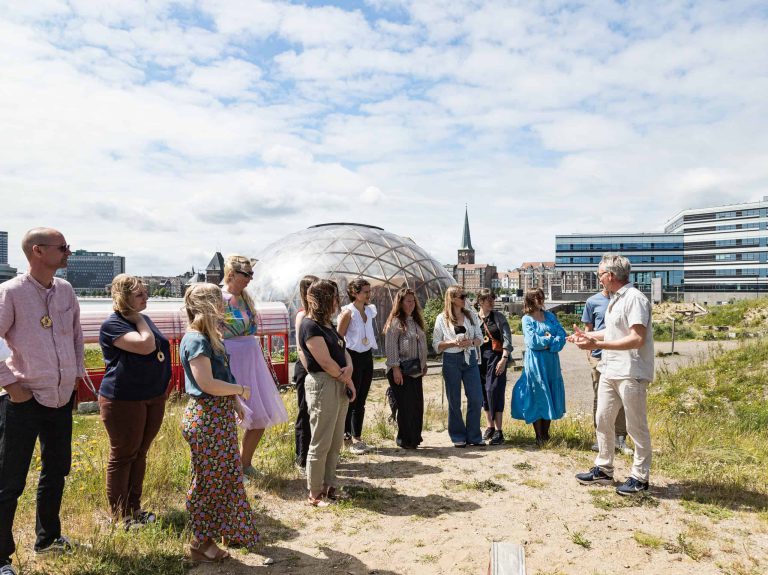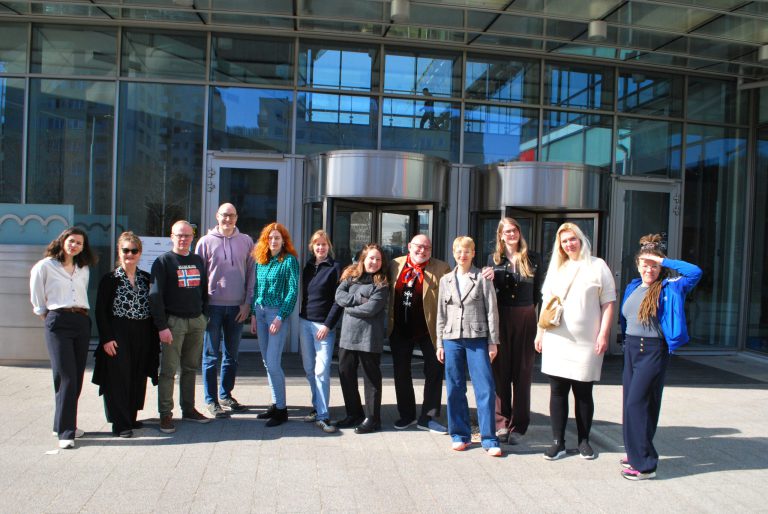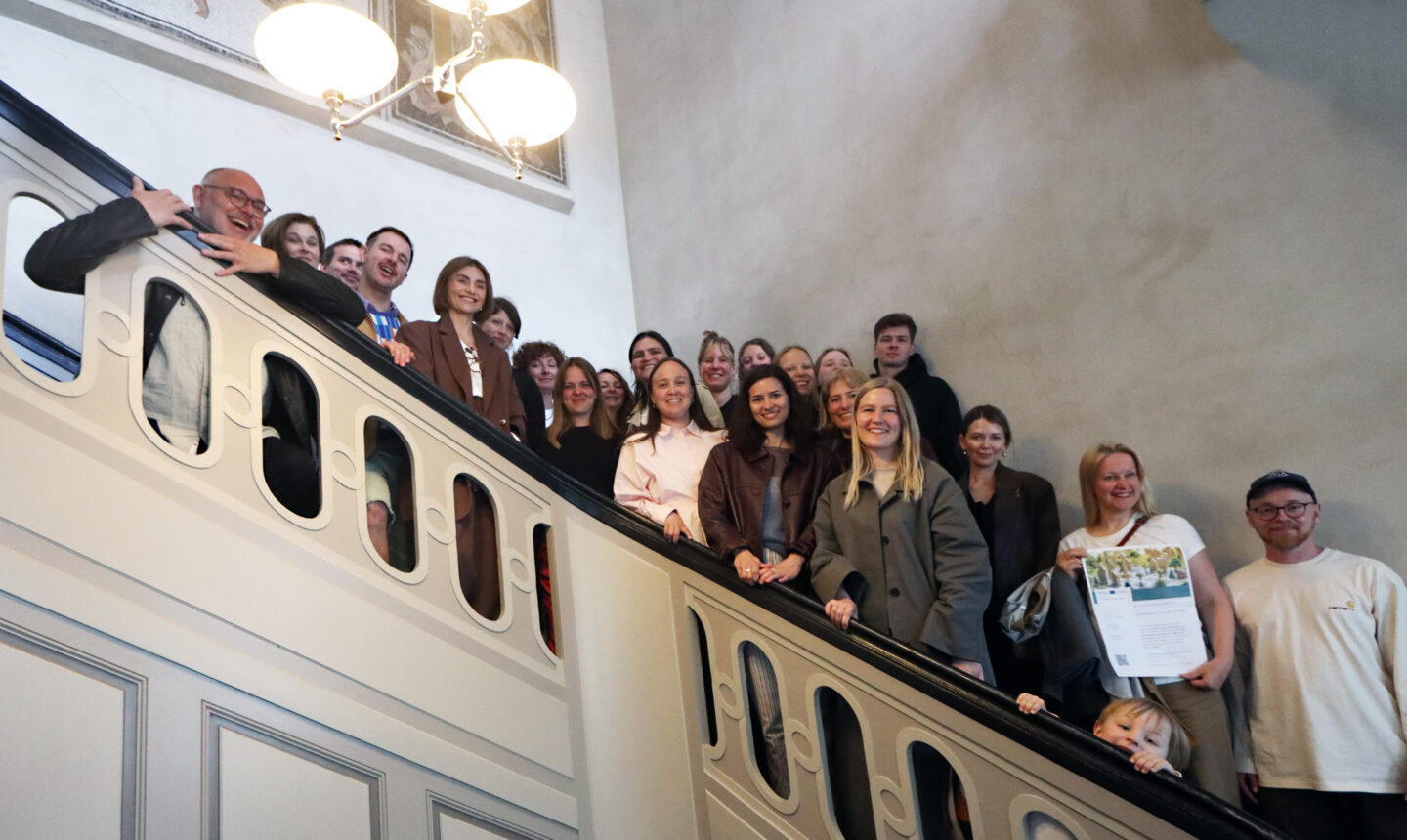
Twenty creative professionals from across the Baltic Sea Region came together in Copenhagen to discover how design can become a driver of circular transition, collaboration and more sustainable cities.
From 10–12 June 2026, the Creative Circular Cities project organised an international study visit to Copenhagen during “3daysofdesign”, one of Scandinavia’s leading design festivals. Bringing together participants from Denmark, Finland, Estonia, Latvia, Germany and Poland, the visit offered an opportunity to experience first-hand how circular thinking is shaping contemporary design and creative entrepreneurship.
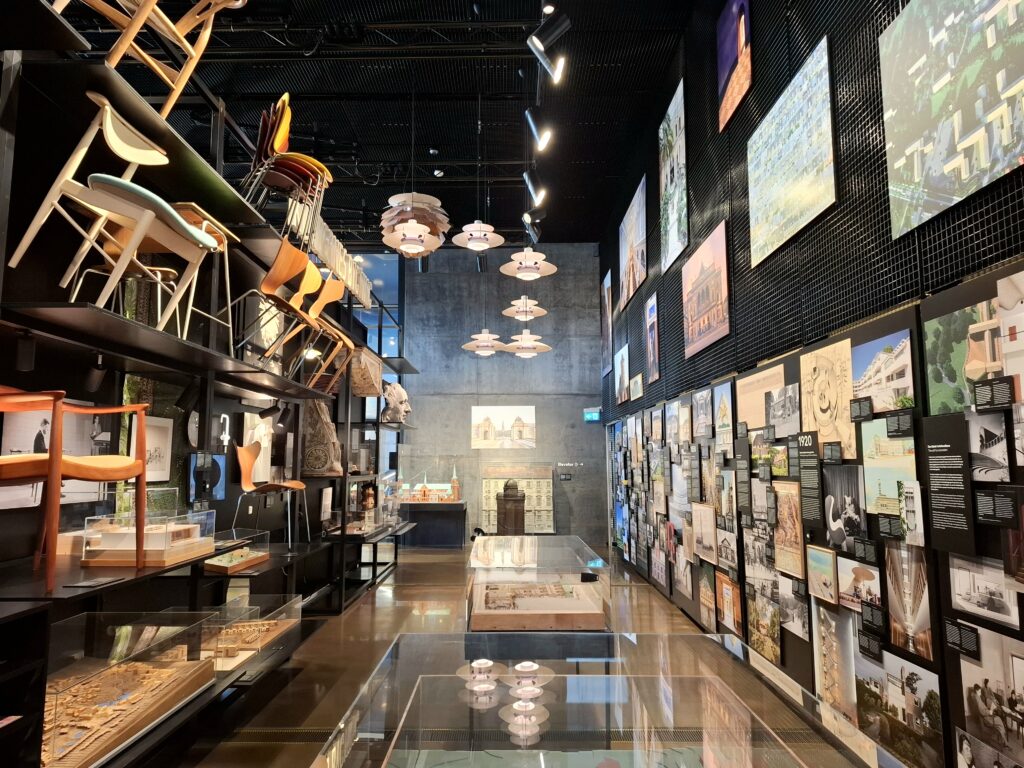
The programme opened with a guided visit to the Danish Architecture Center (DAC), where participants explored how architecture and urban development can respond to climate challenges through long-term thinking, adaptive design and sustainable planning.
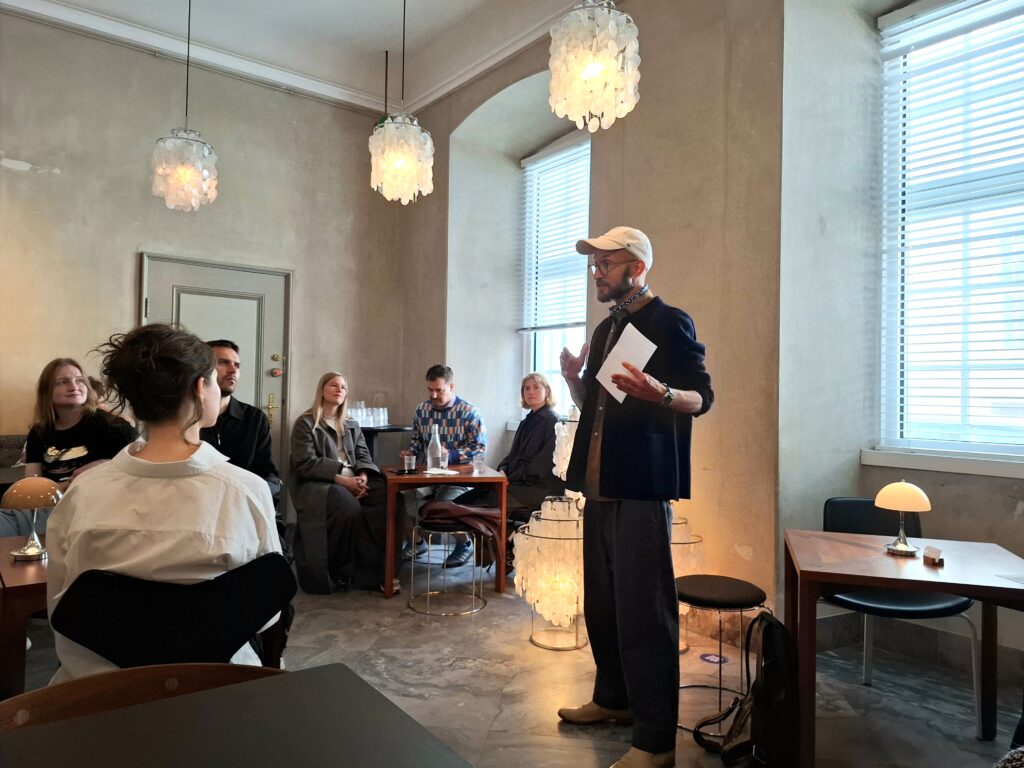
The visit also marked the beginning of an international exchange between professionals working across architecture, fashion, textiles, ceramics, jewellery, spatial design and other creative disciplines. During a series of creative introductions, participants presented their own practices through meaningful objects, materials and stories.
These exchanges became one of the defining elements of the study trip. By sharing experiences from different countries and sectors, participants discovered common challenges, exchanged practical ideas and identified opportunities for future collaboration.
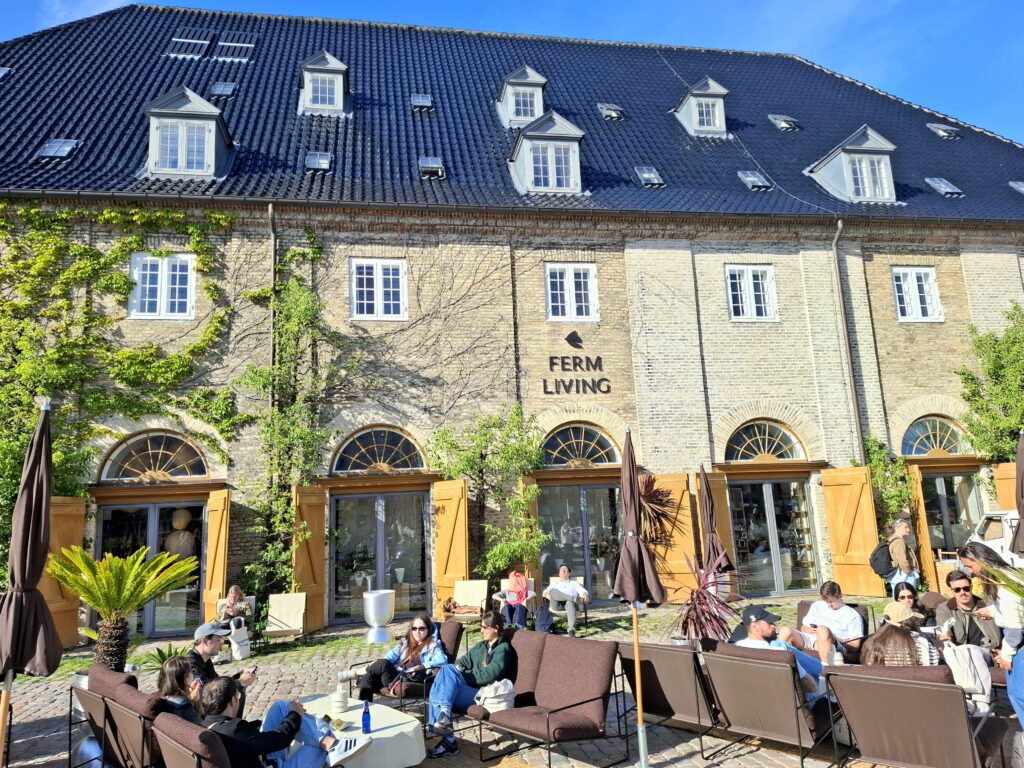
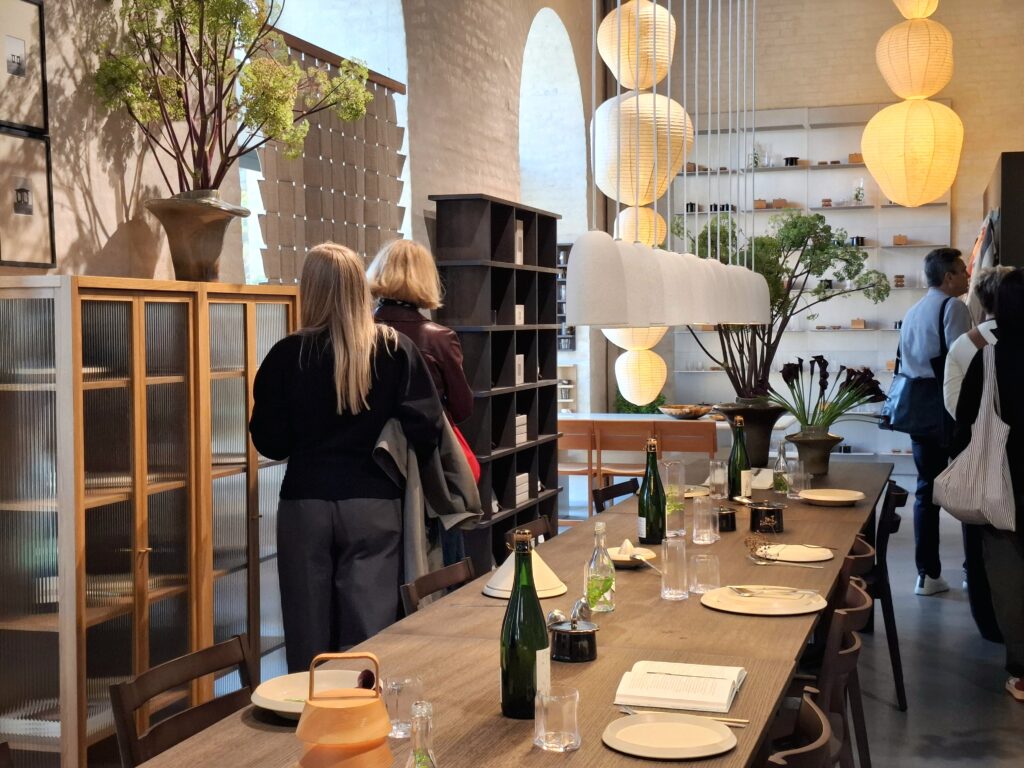
The first day concluded with networking at the Ferm Living showroom during the opening of 3daysofdesign. Participants experienced examples of design that combine aesthetics, functionality, craftsmanship and responsible material choices — demonstrating how longevity and quality remain central principles of circular design.
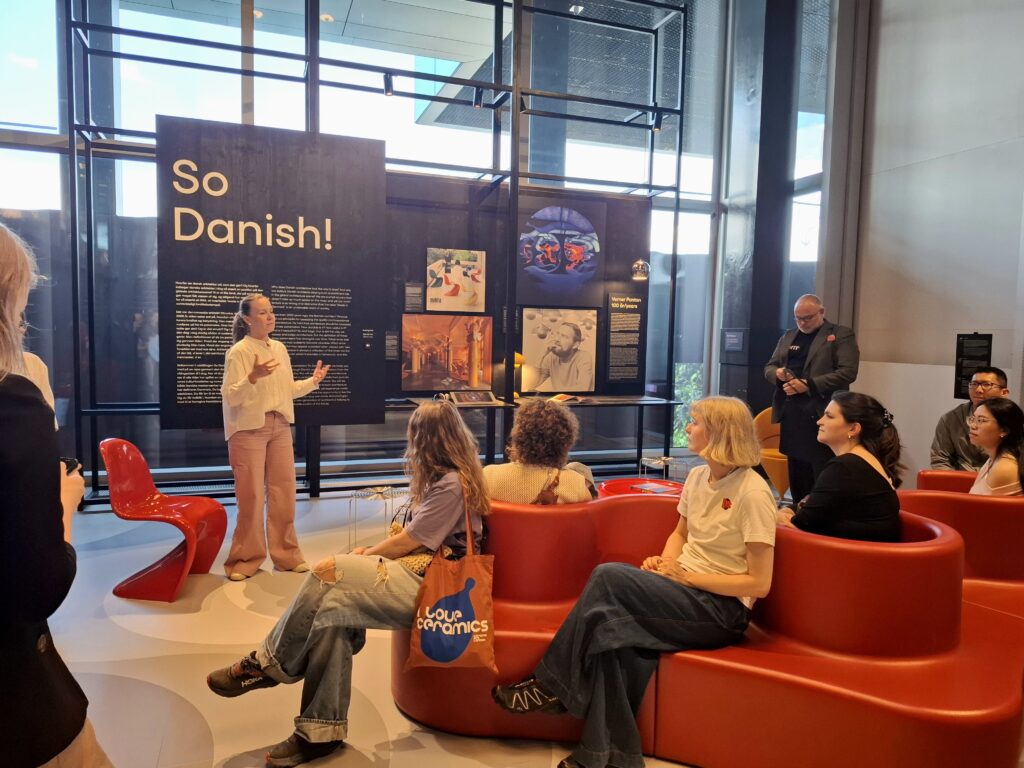
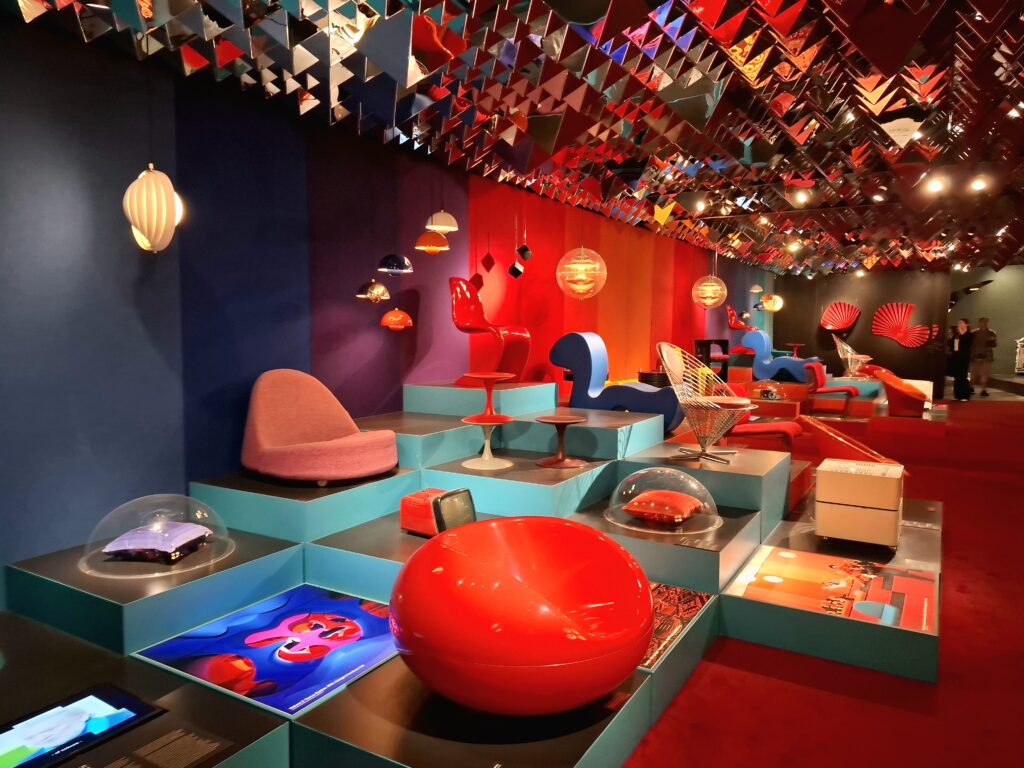
The second day focused on Danish design heritage and its relevance for today’s sustainability challenges. During a visit to Designmuseum Danmark, participants explored iconic examples of Danish design alongside exhibitions showcasing craftsmanship, material innovation and thoughtful production methods. Many of the exhibited works reflected values that are increasingly recognised as essential to circularity: durability, repairability, timeless aesthetics and products designed to last.
The delegation also met with Lifestyle & Design Cluster, Creative Circular Cities’ Danish project partner. The meeting offered valuable insight into how the organisation strengthens Denmark’s design ecosystem by connecting businesses, researchers, educational institutions and public authorities to accelerate sustainable innovation across the creative industries.
For many participants, this demonstrated that circular transition depends not only on individual designers or companies, but on strong networks that enable knowledge sharing and cross-sector cooperation.
The afternoon was dedicated to exploring exhibitions, installations, talks and showrooms across Copenhagen as part of 3daysofdesign. Throughout the city, participants encountered emerging materials, innovative production methods and new business models that place circularity at the centre of design practice.
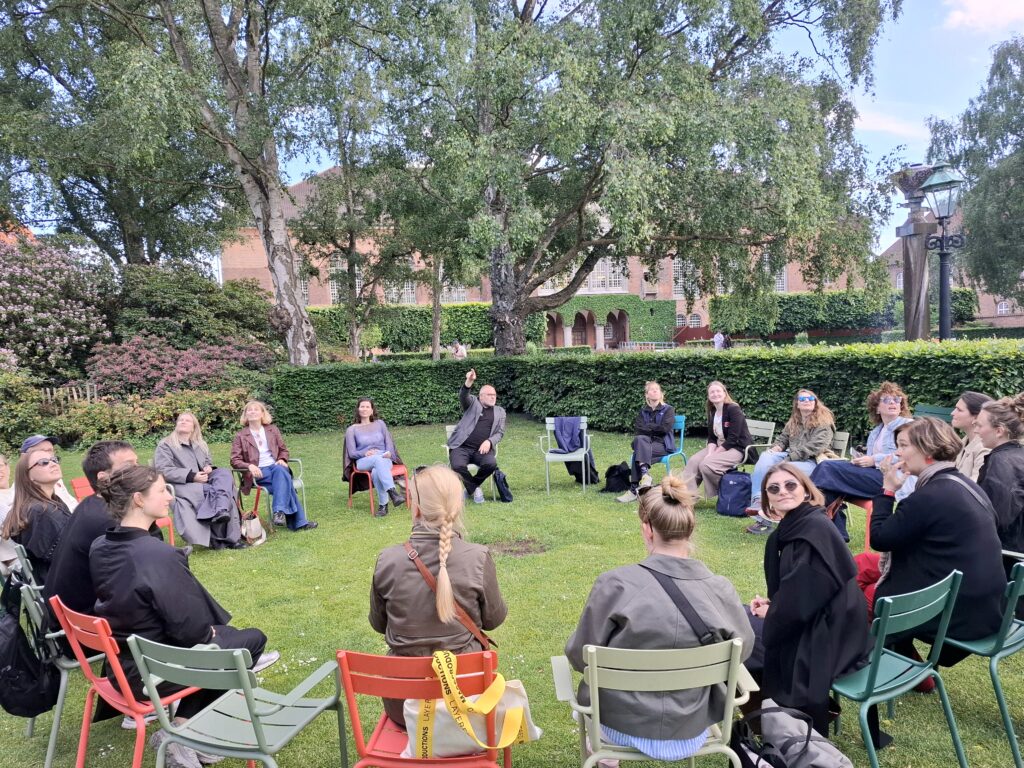
On the final morning, participants gathered to reflect on the experiences of the previous days and discuss how the inspiration gained in Copenhagen could be translated into local contexts across the Baltic Sea Region.
The study visit demonstrated that a vital part of promoting circularity is creating new ways of working together, collaborating across disciplines and organisations. This principle lies at the heart of the Creative Circular Cities project. By connecting creative professionals, municipalities and local stakeholders across six Baltic Sea Region cities, the project supports knowledge exchange and practical experimentation that can inspire more sustainable urban futures.
The project “Creative Circular Cities” is co-funded by the EU’s Interreg Baltic Sea Region programme.