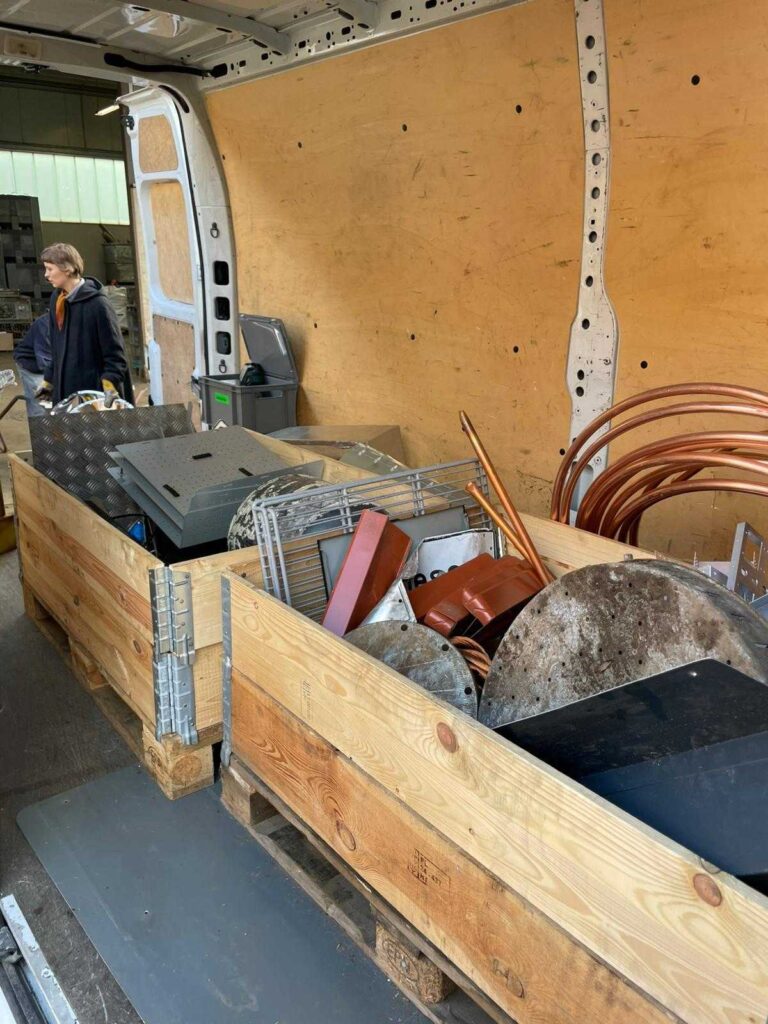
Imagine walking into a junkyard. What do you see? A chaotic jumble of rusty metal, broken electronics, and what appears to be trash? For 38 students at the Muthesius Academy of Fine Arts in Kiel, however, this place was something entirely different: a gold mine.
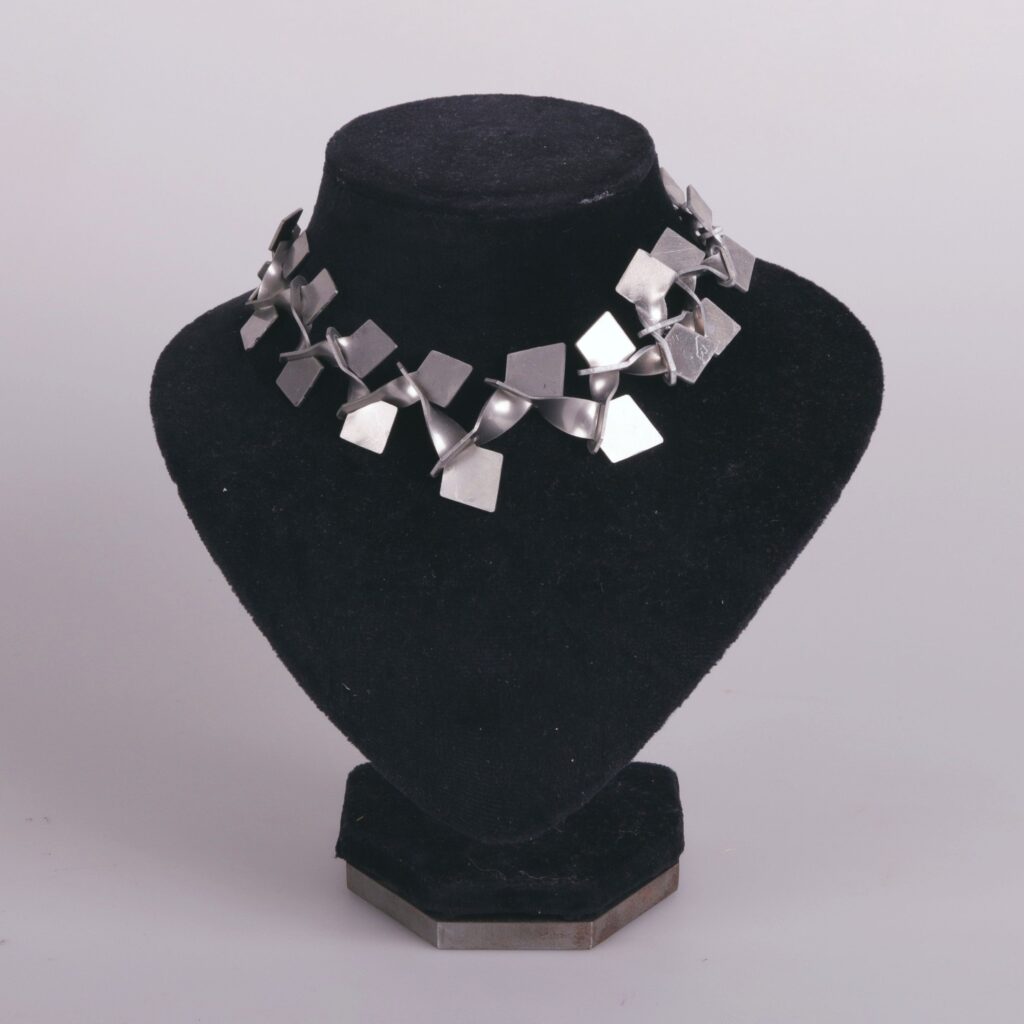
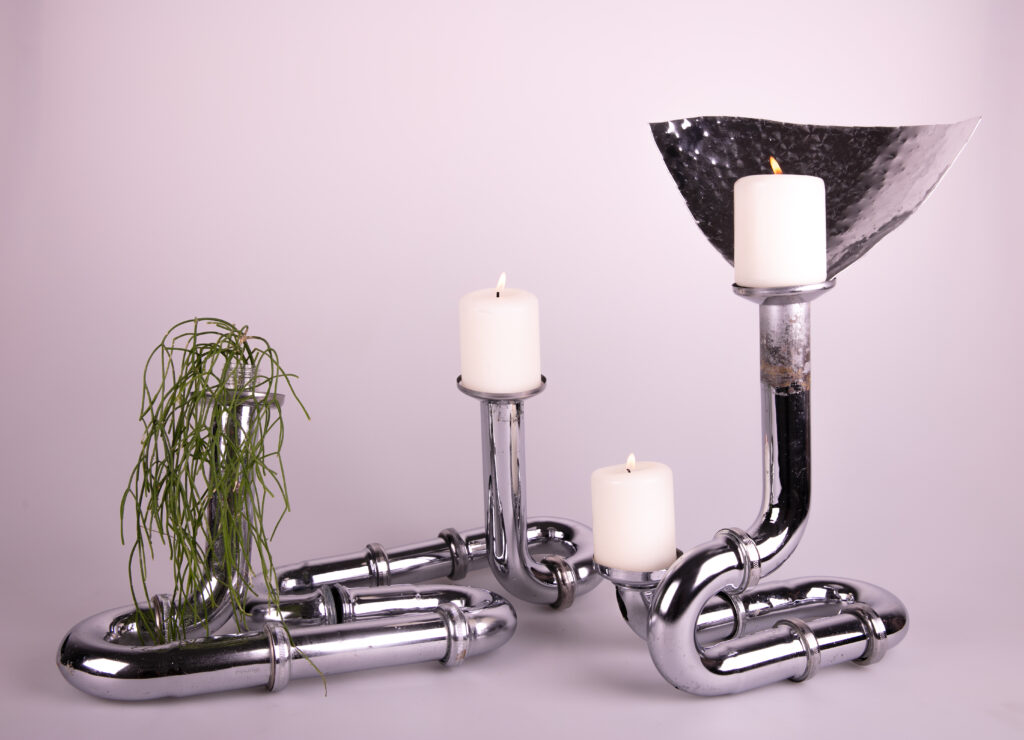
As part of the exciting short-term project “Goldmine,” we witnessed how creative design blurs the lines between waste and recyclable materials. As part of the Interreg project “Creative Circular Cities,” Kiel demonstrated that the future of design lies not in new raw materials, but in valuing what already exists.
The Challenge: 5 Days, a Scrap Yard, Countless Possibilities
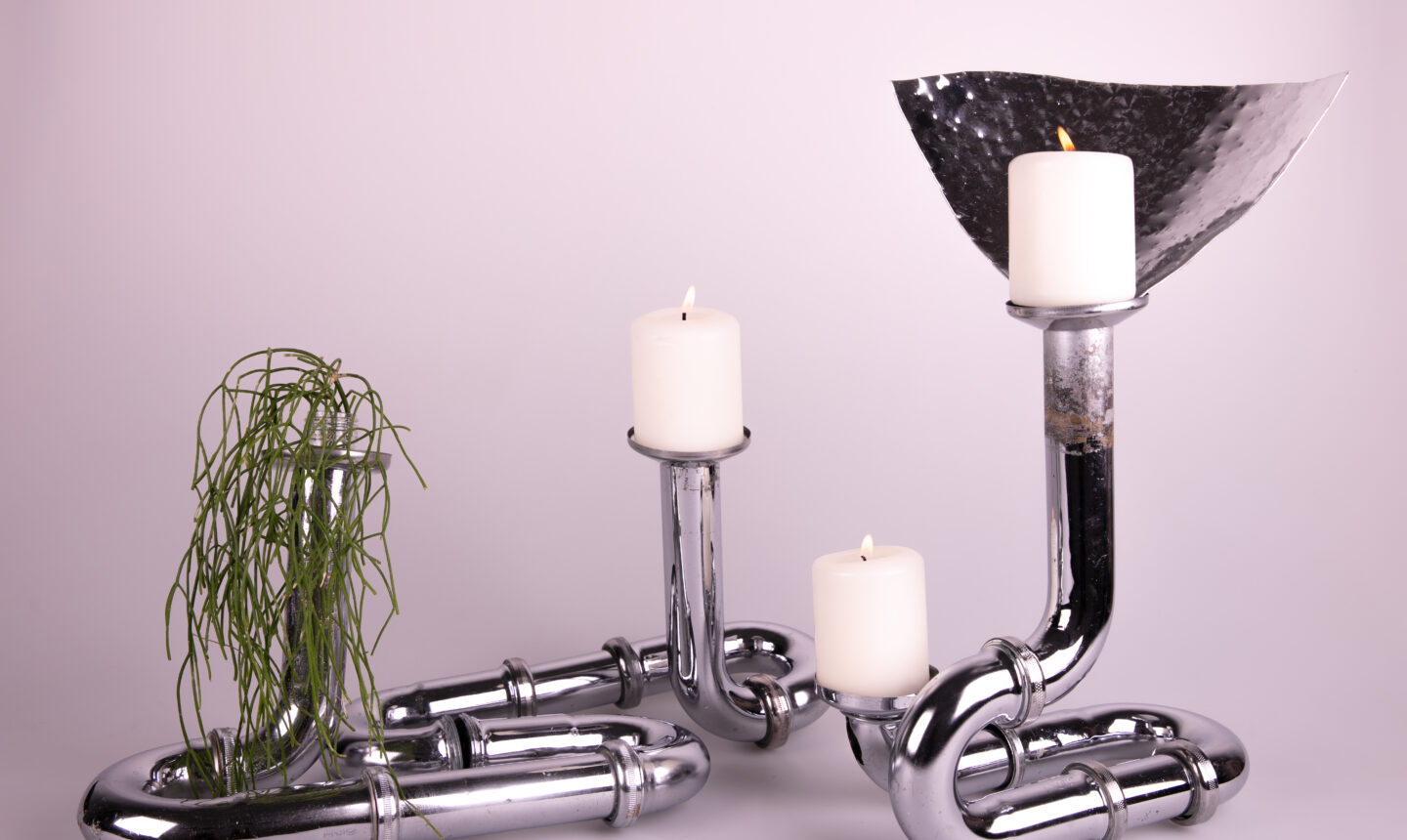
The concept was radically simple yet extremely challenging: Within just five days, industrial design students at the Muthesius University of Fine Arts were tasked with developing products based not on new materials, but exclusively on items found at the local scrap yard. No CAD models of theoretical parts, no orders from suppliers. Instead: getting their hands dirty, understanding the material, and finding the real “gold mine.” The 38 participants had to learn to work with the imperfections, traces of rust, and shapes of the scrap material rather than hiding them.
More Than Just Upcycling: The Three Pillars of the Future
What made this project special is that it went beyond superficial “upcycling.” The students were required to evaluate their designs against strict criteria for a true circular economy. Every product created had to meet six fundamental criteria:
- Durability-oriented design – robust materials, timeless aesthetics
- Repairability – screws instead of glue, access to components
- Modular design – replaceable parts instead of replacing the entire unit (e.g., batteries, displays)
- Design for disassembly – easy, material-specific disassembly for recycling
- Reuse/Remanufacturing – giving components a second or third life
- Emotional design – products you want to keep rather than quickly replace
These principles demonstrate that true sustainability does not begin with recycling, but with the very first sketch. A product with a modular design remains in the cycle long after others would have ended up in the trash.
Why Product Design Is the Key to the Circular Economy
The “Goldmine” project taught an important lesson: design acts as the bridge between materials and people.
In a linear economy (take – make – dispose), design is often responsible for making products more attractive so they sell faster. In the circular economy, design takes on a completely new role: it becomes the guardian of resources.
- Material awareness: Through direct contact with the scrap yard, the students learned that every piece of metal or plastic has a story and potential.
- Innovation through constraint: The restriction to secondhand materials forced creative solutions that might never have emerged with new materials.
- Systemic change: The prototypes developed are proof that we don’t have to stop consuming things—we just have to stop viewing them as disposable items.
A Look into the Future
The results of this short-term project are more than just student exercises. They are manifestos for a new way of consuming. They show that we are capable of transforming our cities and our daily lives into closed-loop systems if we have the courage to look at waste differently.
The “Goldmine” project is a shining example of how educational institutions such as the Anschar Campus and the Muthesius Academy of Fine Arts can act as catalysts for change. They don’t just train designers; they train creators of a sustainable future.