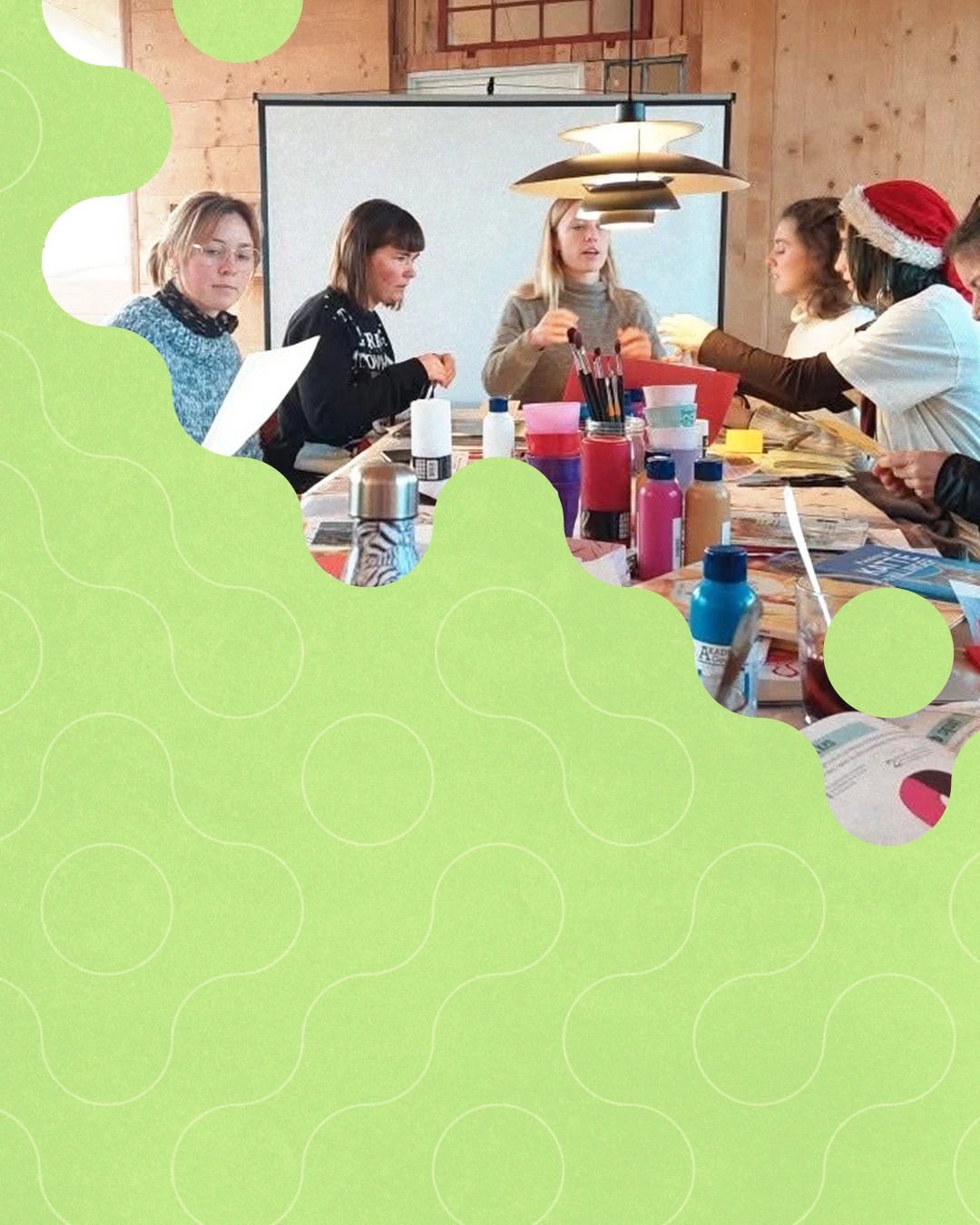
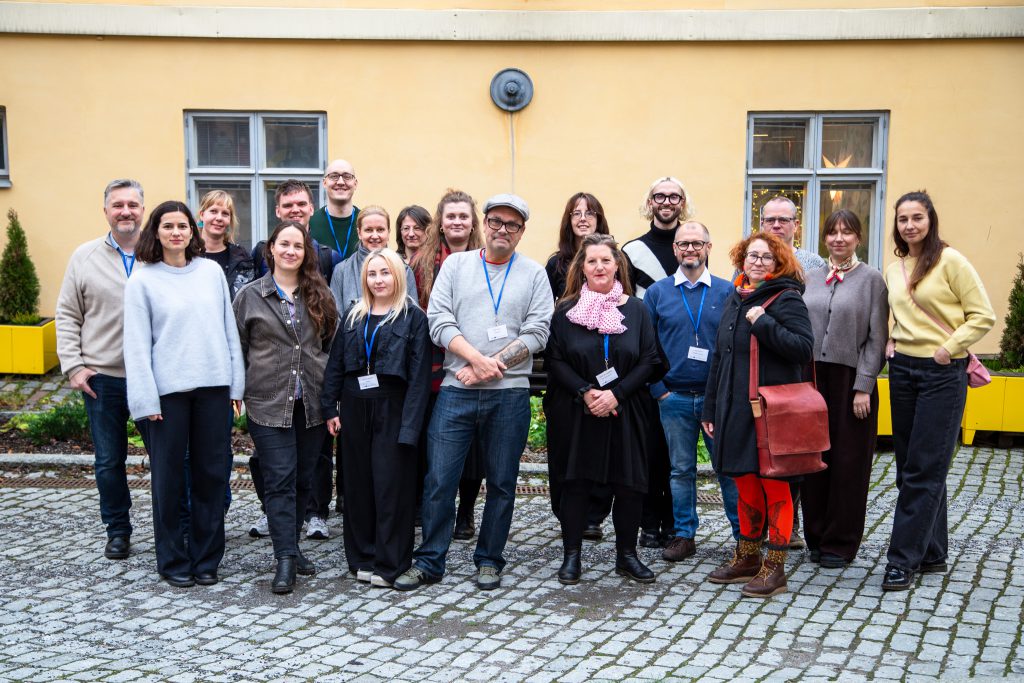
The lab was organised by the project partners in Turku – Turku municipality, the organisation Valonia and Humak University of Applied Sciences – in cooperation with the Danish Cultural Institute.
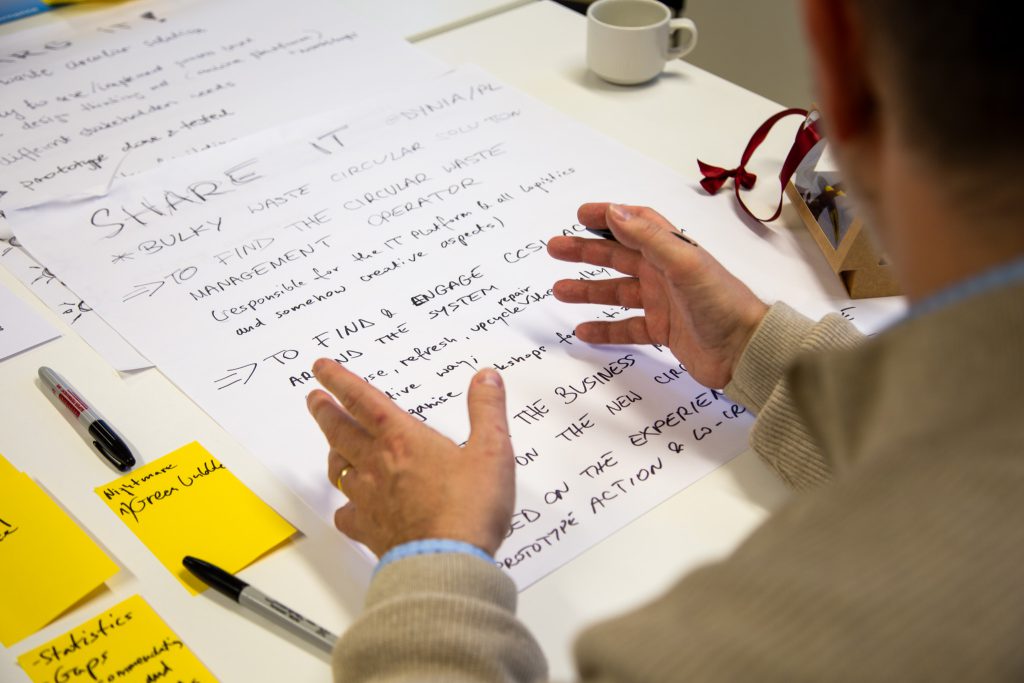
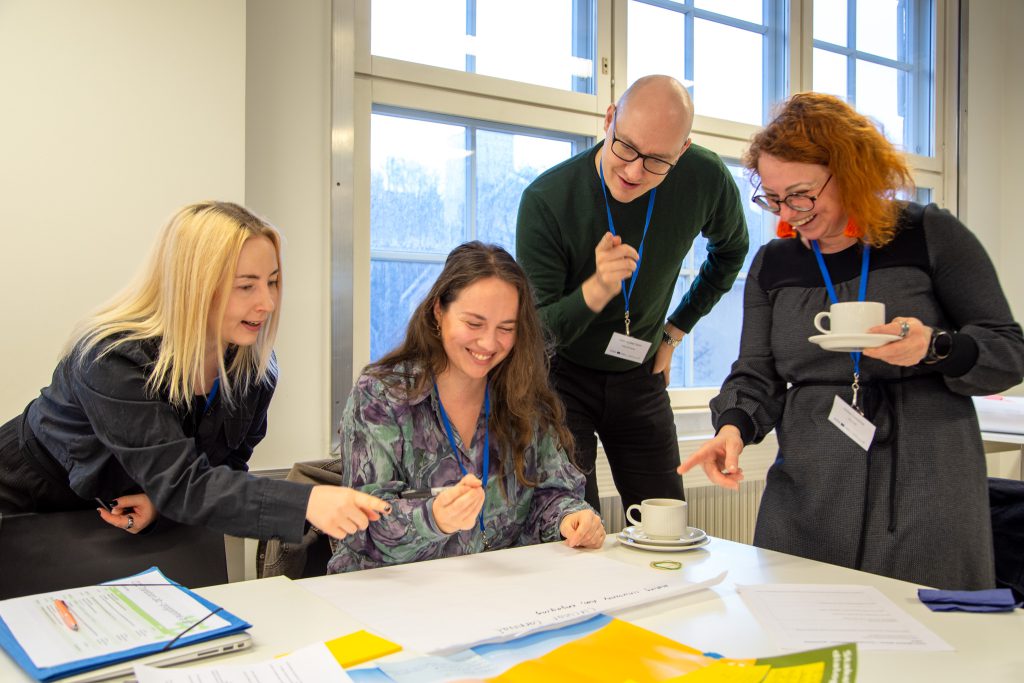
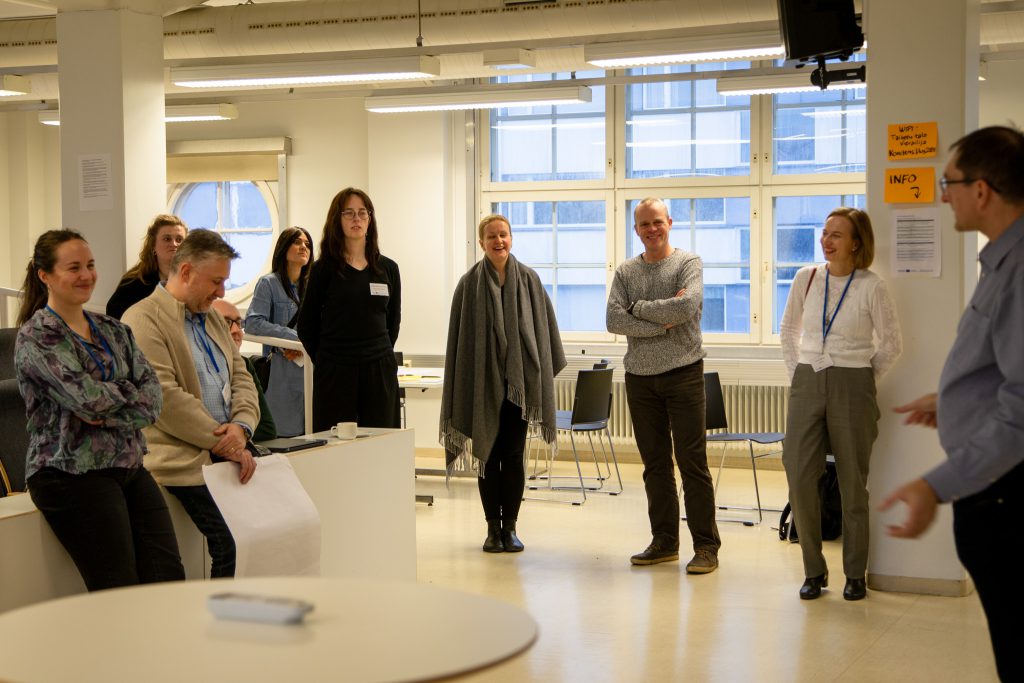
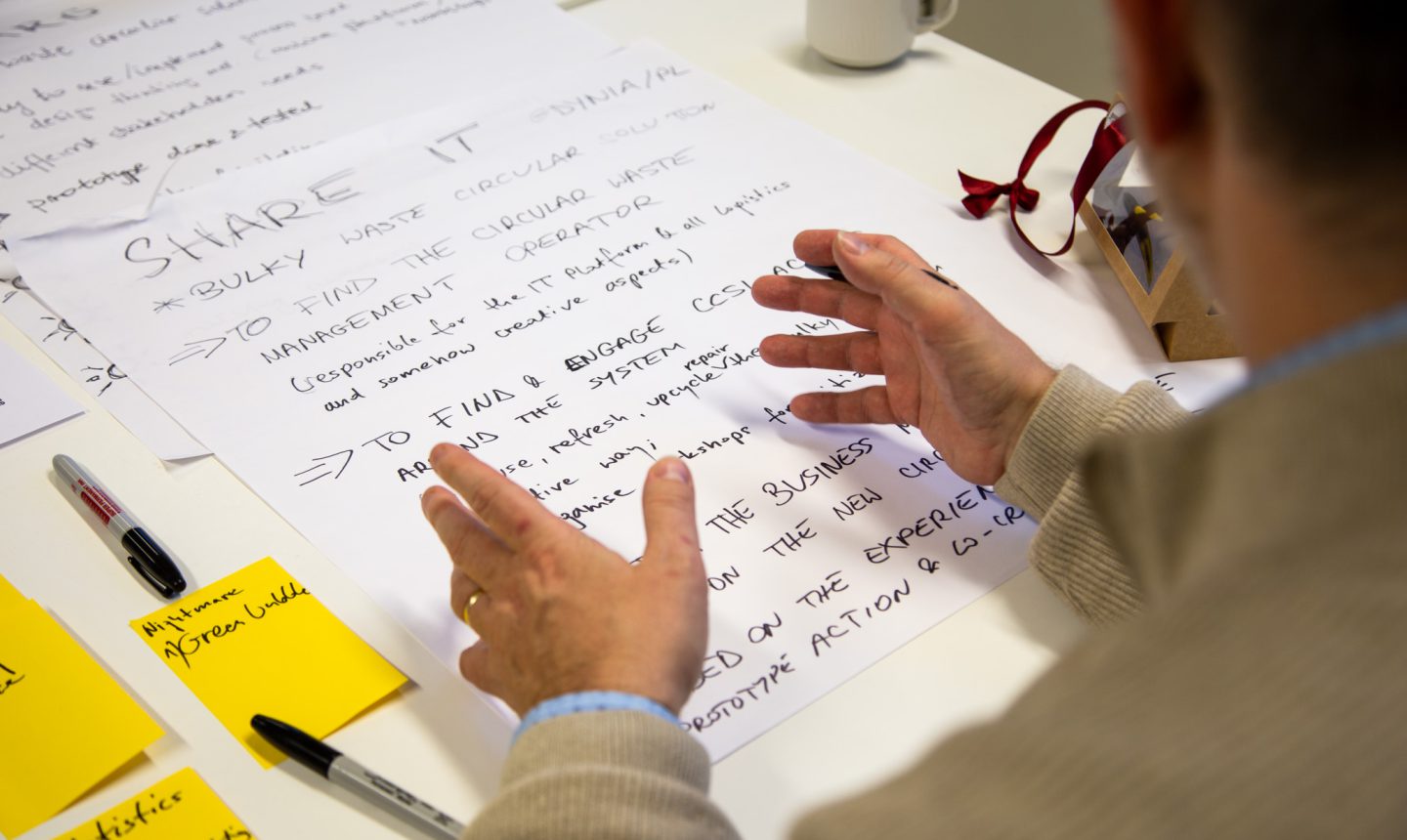
During the Lab, the CCC project partners engaged in visioning exercises, hands-on workshops and reflection sessions, and drew inspiration from external expert presentations. Johanna Leino introduced the partners to the Baltic Institute’s in Finland work with societal transitions through the “transition arena method,” offering practical insights into how cities can involve and empower different actors, including citizens and small businesses, to drive long-term sustainable change. The co-founder of NEW STANDARD.STUDIO Max Mauracher explored the challenges of communicating circular lifestyles through a series of “nightmare scenarios,” illustrating common pitfalls and misconceptions in public engagement. Paula Fontell, CEO and Founder of Ethica, presented the Nordic Circular Design Programme and shared key principles for applying circular design in both public and private contexts.
One major focus of the Transition Lab was the exchange on transferrable project activities. During the event, the CCC project partners pitched their local pilot activities to each other, highlighting practical steps of executing a circular economy carnival, an upcycling festival or an exhibition on circular economy and emphasising lessons learnt. These pitching sessions aimed to inspire each other to replicate peer activities and also learn from the challenges in implementing the pilots.
Beyond the immediate CCC demo cities, the CCC project aims to inspire even more cities in the region to use the potential of the creative sector to advance their efforts in building a circular economy. Therefore, next year the CCC project team is planning a range of activities to present the cities’ work to a wider audience, including publishing the case studies from all cities into an online resource – the CCC Starter Kit.
“Creative Circular Cities” is co-funded by the EU’s Interreg Baltic Sea Region Programme to promote circular transition at local level by involving the culture & creative sectors and industries.