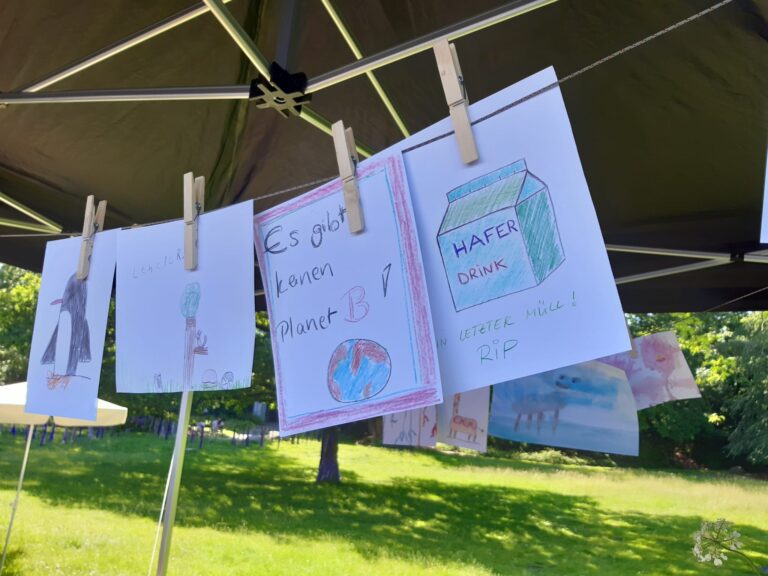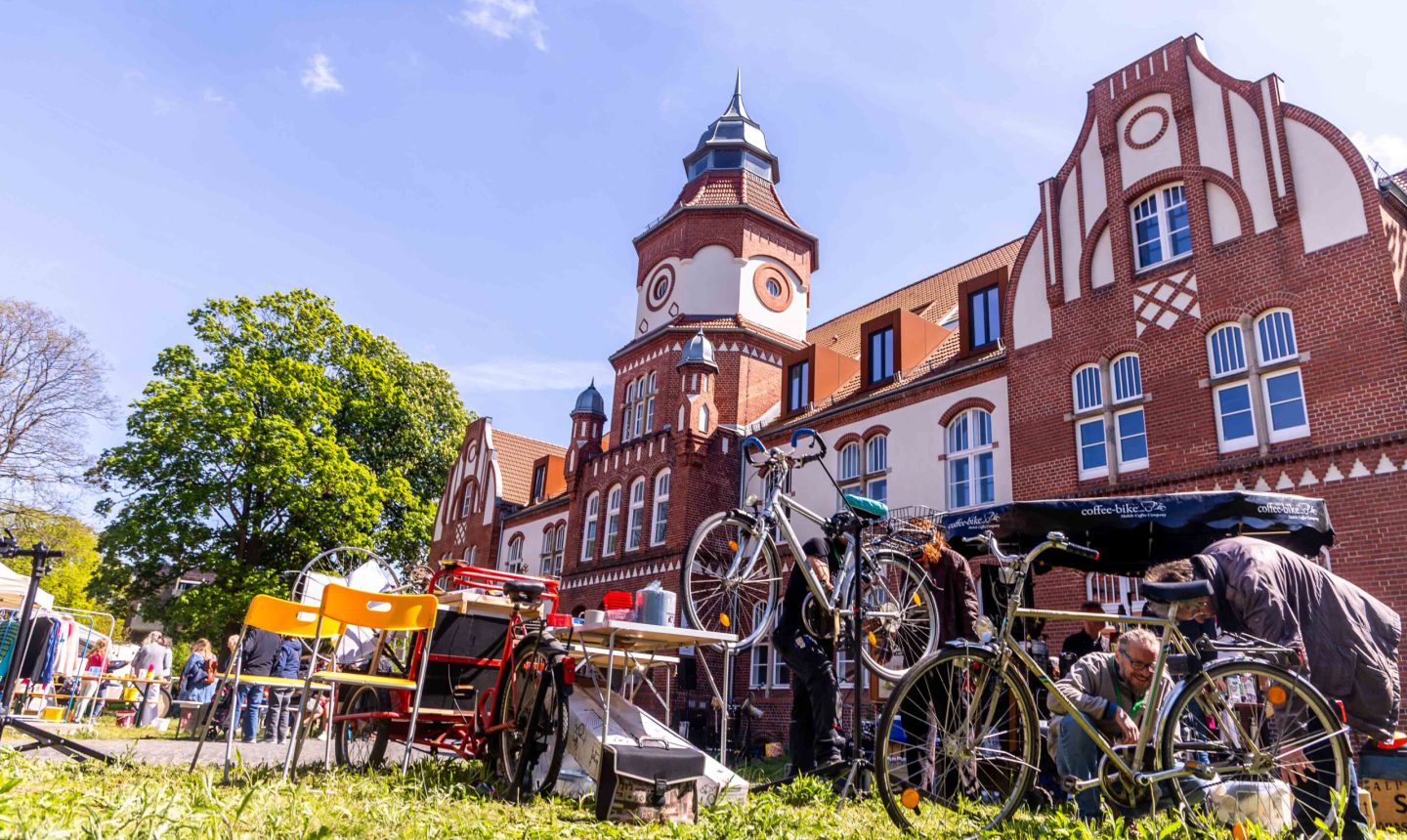
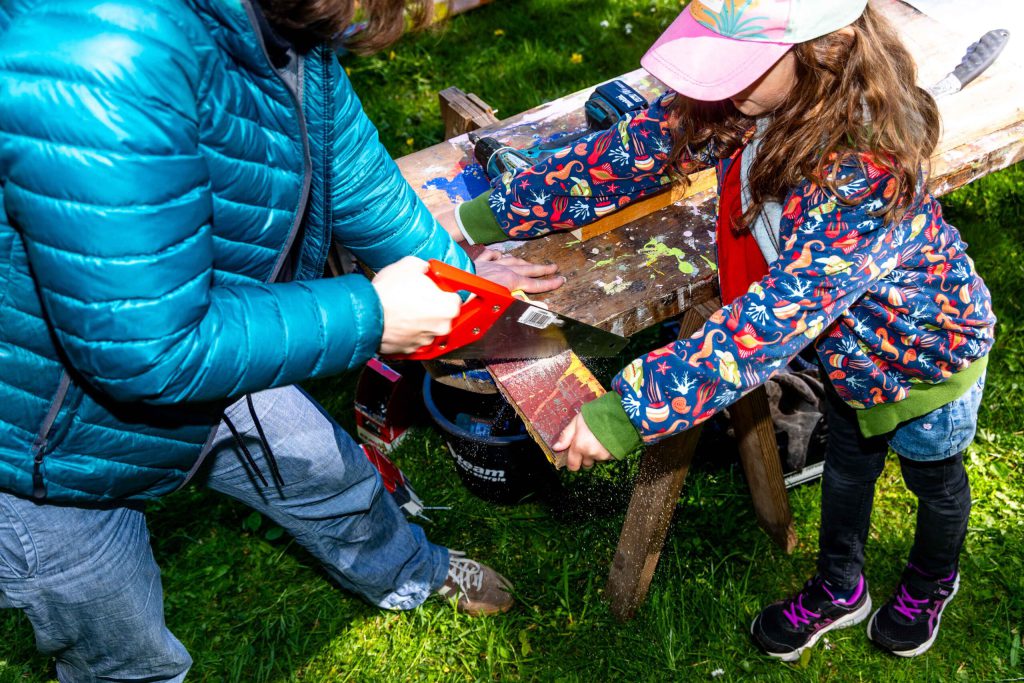
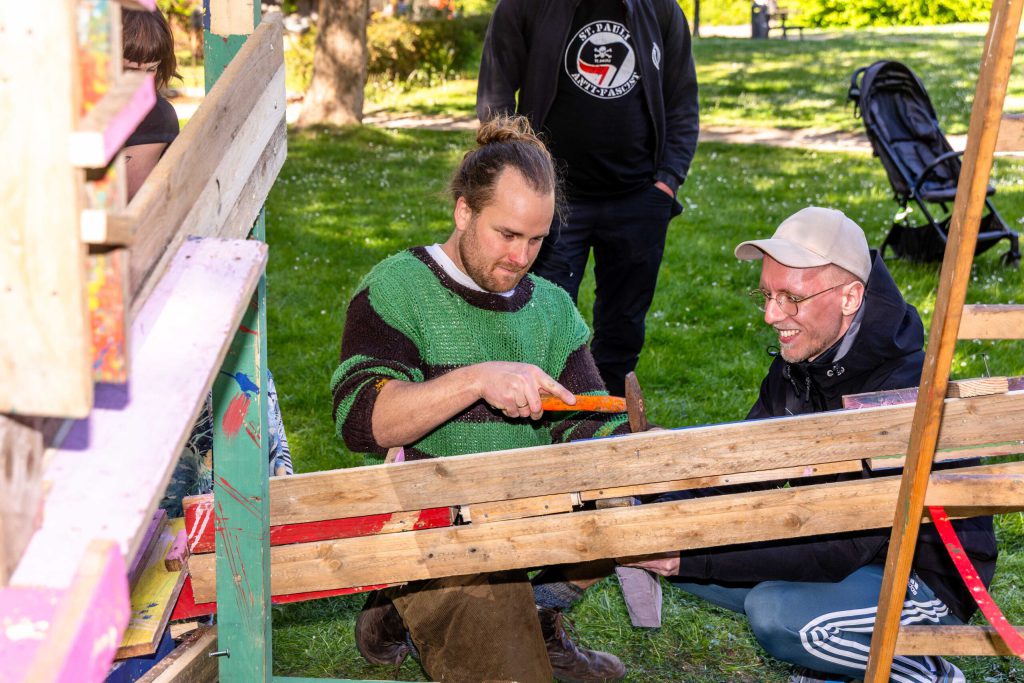
The focus was on practical skills development. While People4Future showed how balcony power plants can be built yourself, Jan Heinrich constructed a huge marble run together with children. Meergut highlighted the use of seagrass as a sustainable raw material, and UpWert taught techniques for quick repairs of everyday defects. Creative approaches were central to the Festival: At Trash Pick, jewelry emerged from ocean plastic, and Foodsharing combined education about food waste with the preparation of smoothies from rescued food.
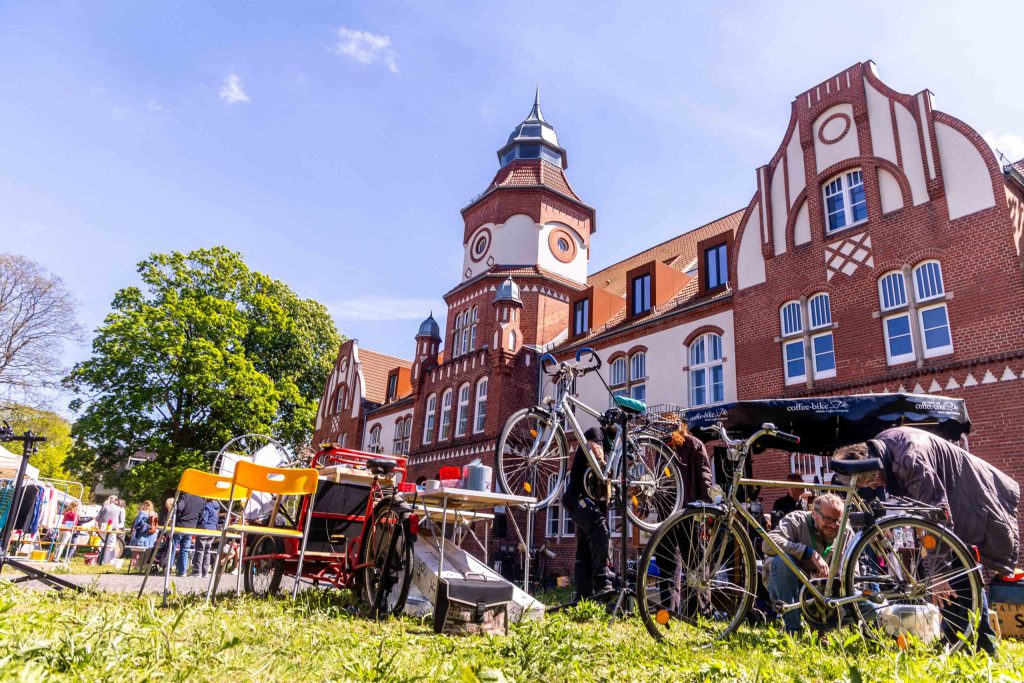
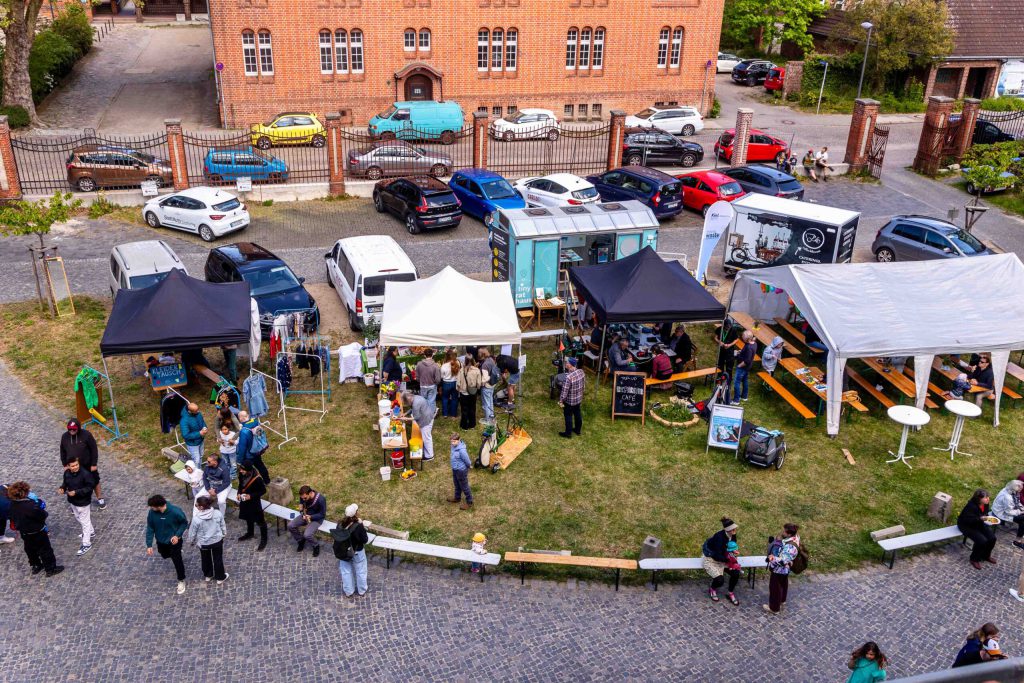
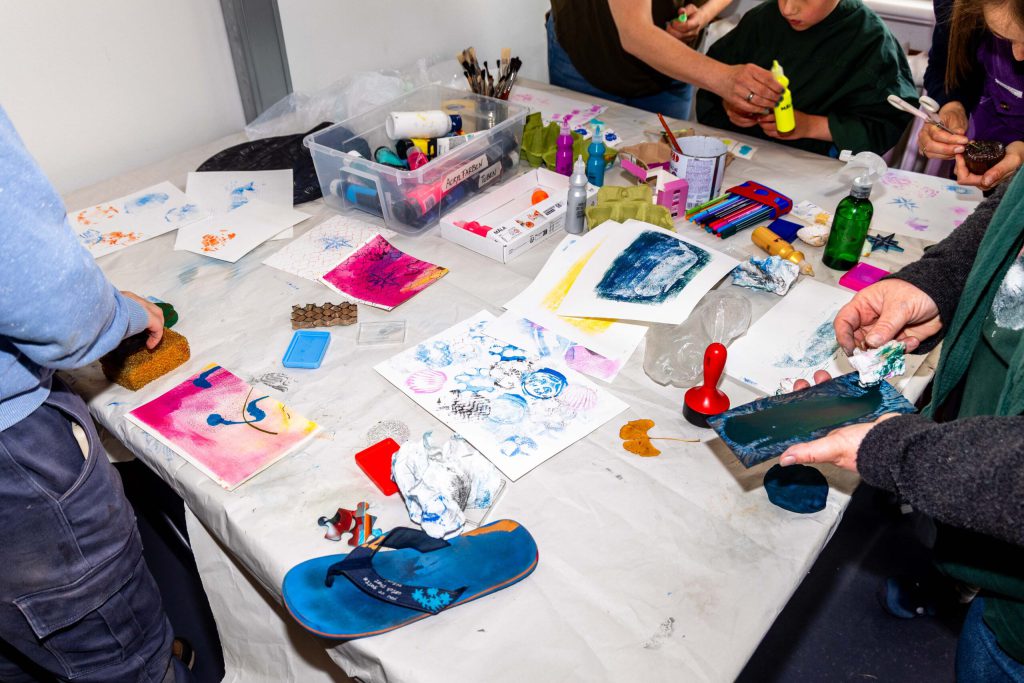
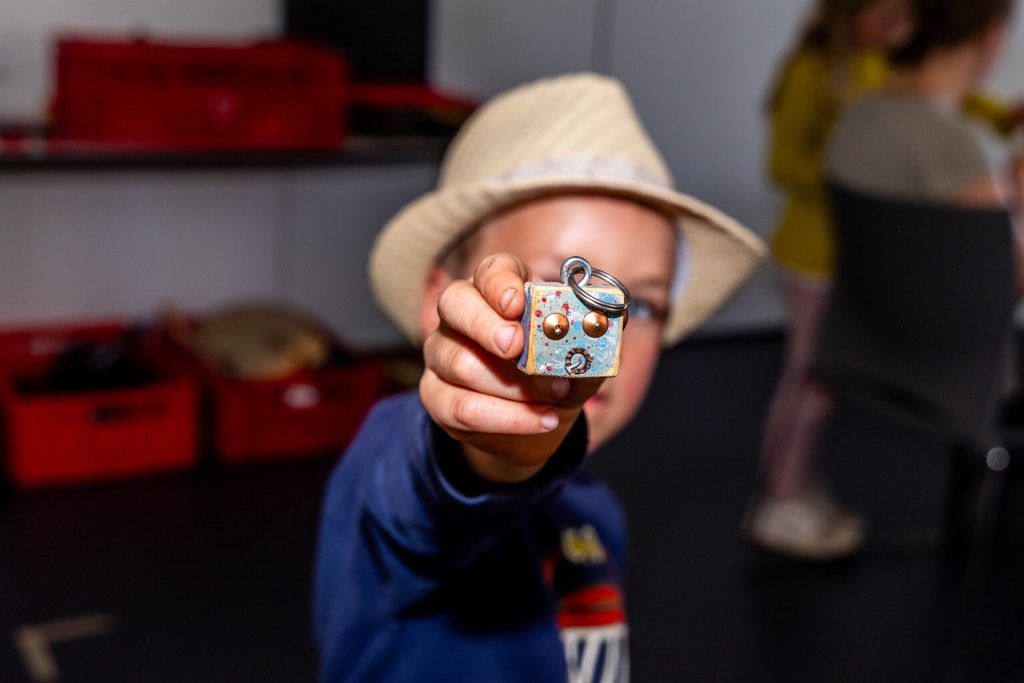
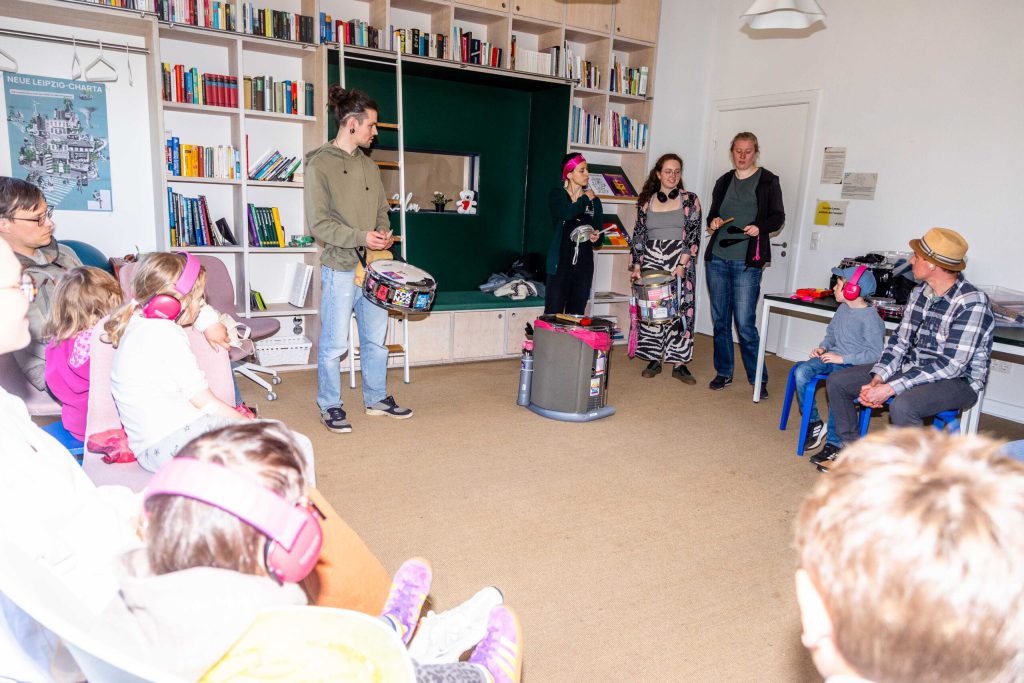
The culinary provision by the Resteritter underscored the principle of regional value creation, while the Zero Waste team of the city of Kiel together with volunteer repairers from the neighbourhoods Wik and Gaarden opened a pop-up repair café in the “Tiny Town Hall” and presented concrete municipal offerings. The musical conclusion by the band Nativo rounded off a program that made clear: sustainability is not a niche topic, but a societal necessity.
The importance of such events only becomes fully apparent through the dimensions of the current waste crisis in Germany and specifically in Kiel. The following data underscores the potential of repair and upcycling:
The Repair & Upcycling Festival has shown that the path to a circular economy begins not only politically, but also in societal action.
The festival was carried out as part of the Creative Circular Cities project in cooperation by the Heinrich Böll Foundation Schleswig-Holstein and Anschacampus, and is funded by Interreg Baltic Sea Region, co-financed by the European Union.