Bringing Circularity to Life Through Culture and Community in Turku
Introduction
The ReTurku Circular Economy Carnival is an event framework that brings circular economy practices into everyday life through culture, creativity, and active citizen participation.
In 2025, the ReTurku Circular Economy Carnival was held in two Turku neighbourhoods (Halinen and Runosmäki) as a one-week event series in each area. It brought together municipal units, local associations, residents, artists, and circular economy actors. In total, over 30 sub-events were organized with approximately 1,000 visitors.
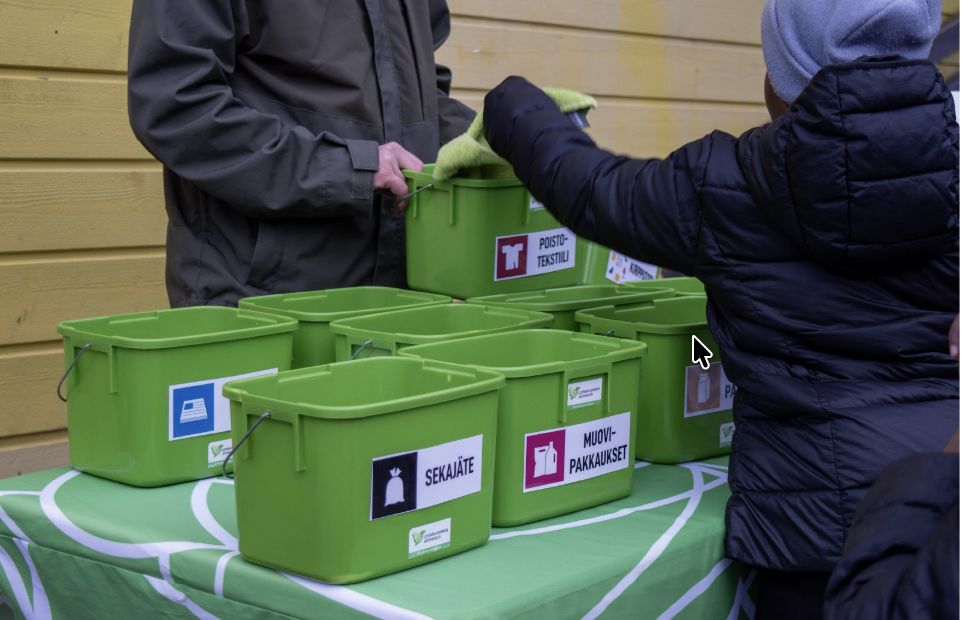
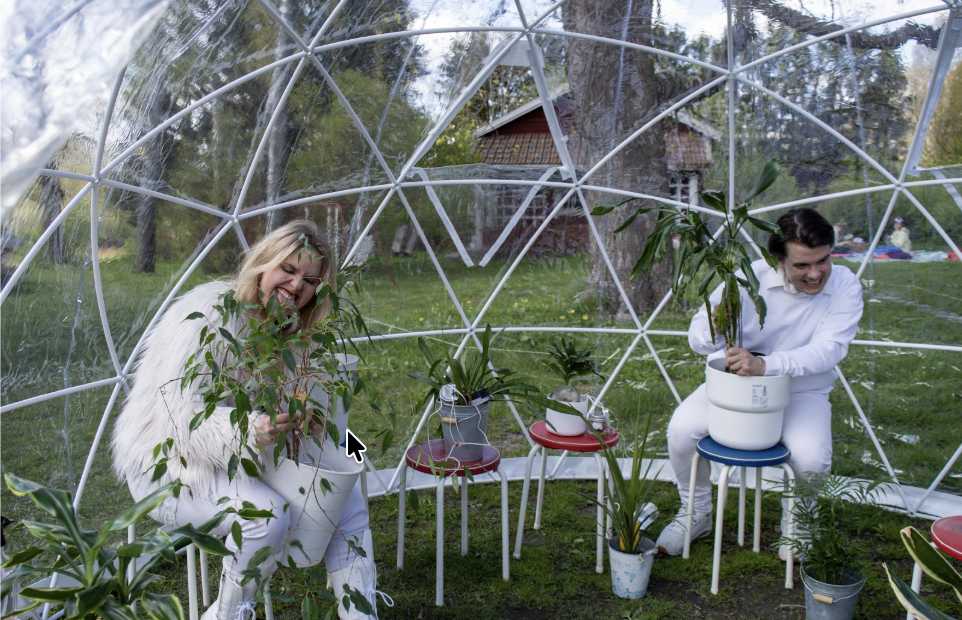
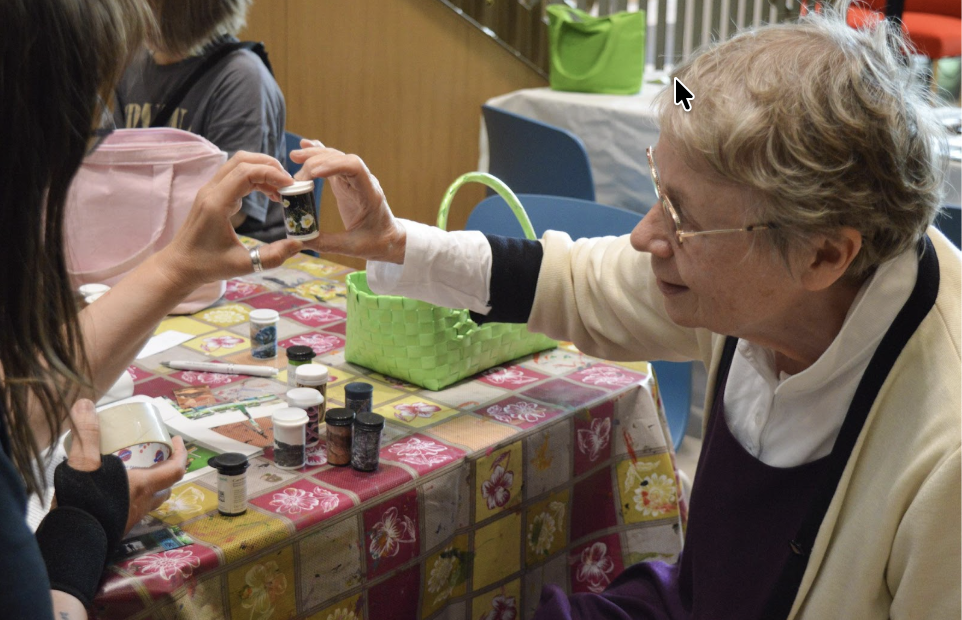
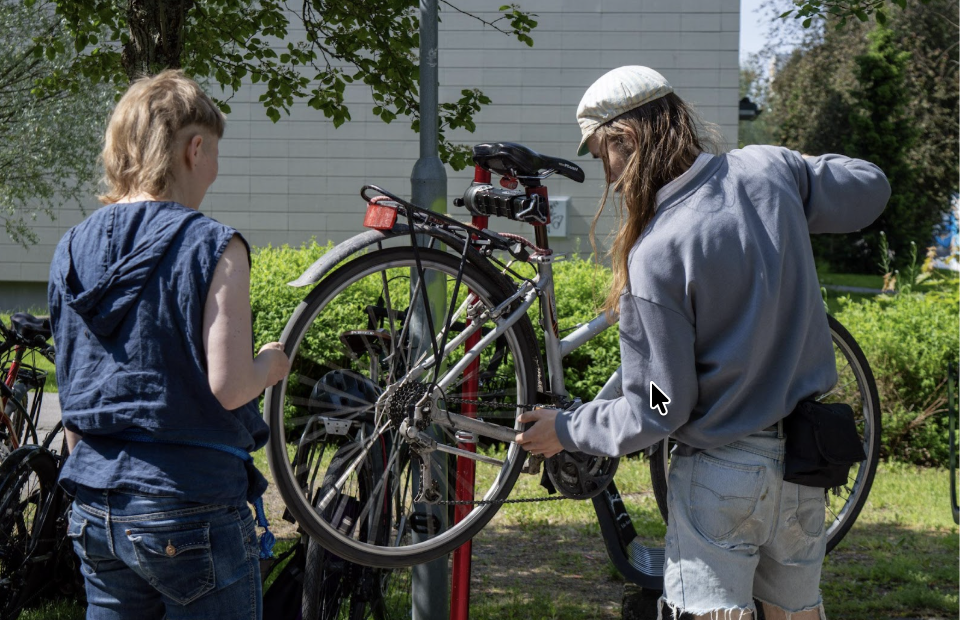
Activities included flea markets, food waste brunches, plant and toy swaps, community repair cafés, and the creation of recycled art and installations, engaging, fun, and practical experiences demonstrating what circular economy can look like in daily life.
Organizers:
- Valonia (Regional Service Centre for Sustainable Development and Energy in Southwest Finland)
- City of Turku
- Humak University of Applied Sciences
The Problem
Circular economy is often perceived as an abstract or distant concept, disconnected from the daily lives of citizens. Traditional information-based approaches (e.g., campaigns, brochures) often fail to spark real behavioral change or create emotional connections. The City of Turku, known for its strong climate and circularity ambitions, sought to bridge this gap by making circularity tangible, relatable and enjoyable at the neighbourhood level.
The goal was to:
- Strengthen circular lifestyles in local communities.
- Shift from passive awareness to active adoption of sustainable practices.
- Empower residents to co-produce the Carnival program, ensuring lasting behavior change and grassroots ownership.
The Solution
The ReTurku Carnival served as an umbrella framework, under which diverse actors could organize sub-events and contribute content. The program was co-created with local residents and organizations to foster a sense of ownership and ensure long-term impact.
Tools and Frameworks
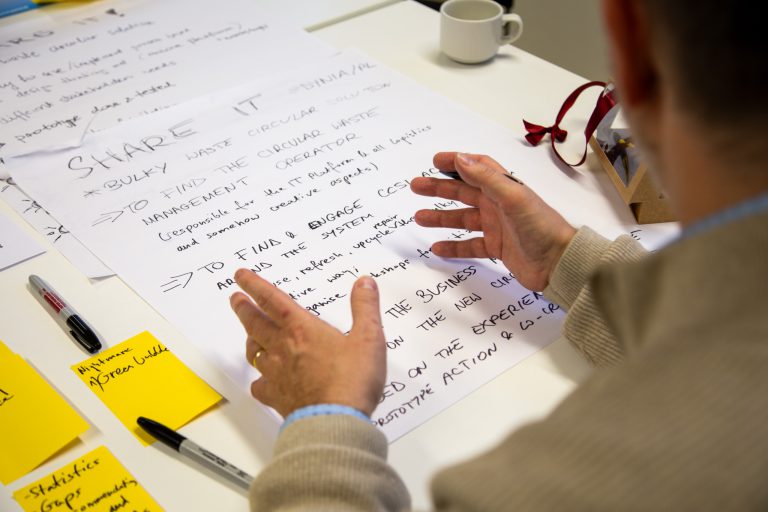
- Co-creation workshops to gather program ideas.
- Open call for participation allowing residents and organizations to register their own events.
- Shared branding and communication materials to unify the Carnival’s identity.
- Community art projects to spark creativity and engagement.
- Integration into existing local events to maximize reach and relevance.
Citizen Engagement
- Resident workshops: Held in both neighbourhoods to collect ideas and form action groups.
- Open call: Invited residents and organizations to submit their own event ideas.
- Field outreach: Direct engagement at community centers, clubs, and neighbourhood events.
- Collaboration with local associations: Partnered with housing cooperatives, small businesses, and NGOs to ensure broad participation.
- Feedback and Evaluation: An online survey assessed how participants’ understanding of circularity evolved during the Carnival.
Municipal Collaboration
- Cross-Departmental cooperation: Initiated through informal “Teams Coffees” to align efforts across city units.
- Contributions from City departments: Libraries, youth services, the City Orchestra, and sustainability and cultural units all organized activities.
- Provision of spaces: The city provided vacant spaces for artistic use.
Artistic Cooperation
- Pop-Up Art call: The city’s established program integrated circular economy-themed artworks into the Carnival.
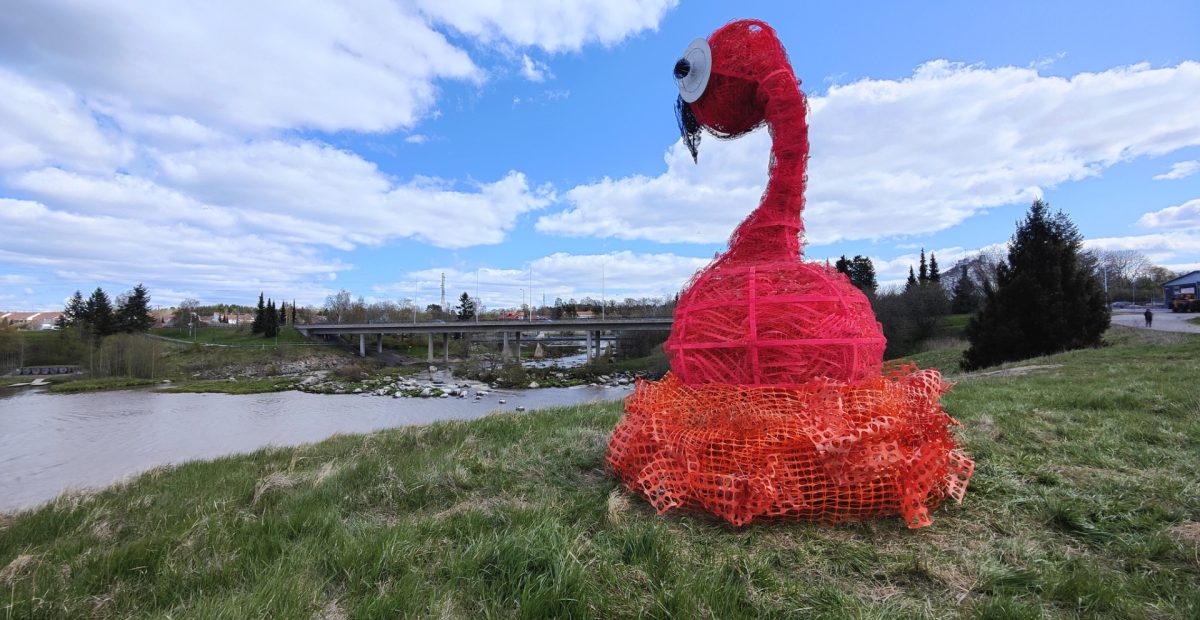
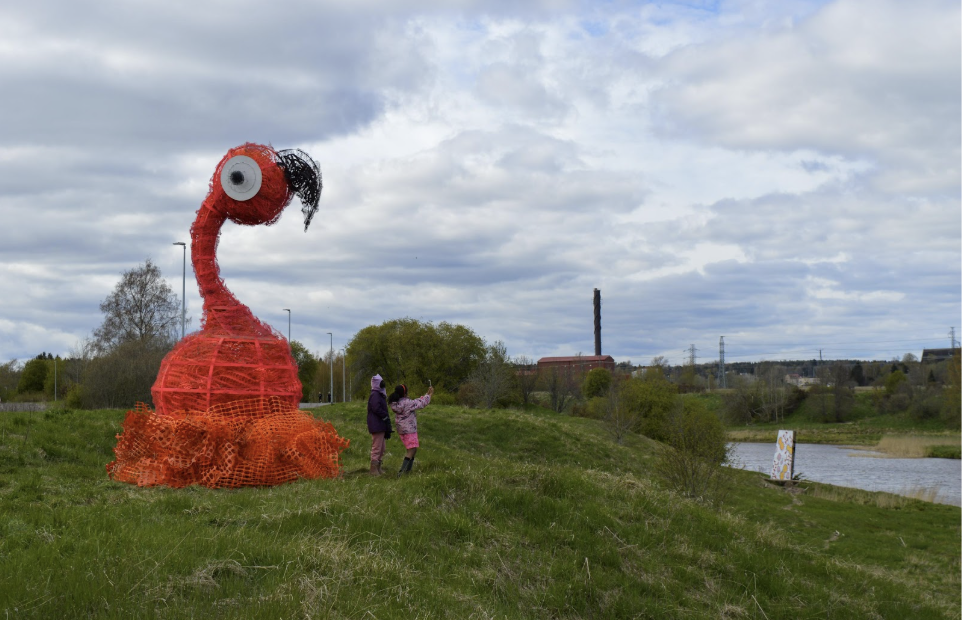
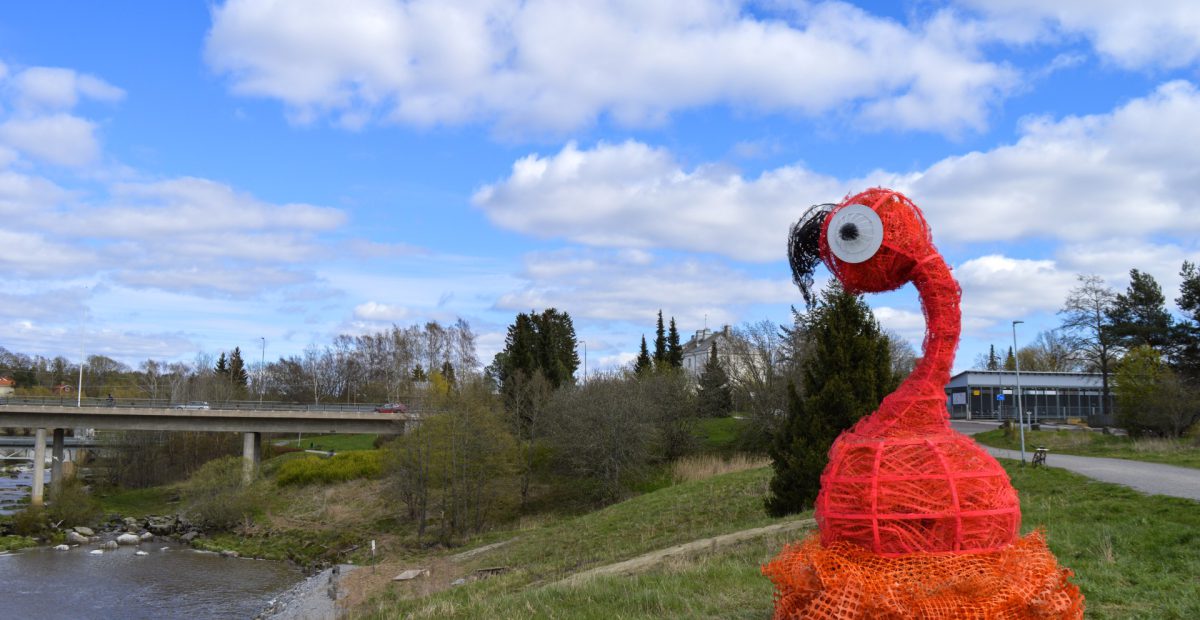
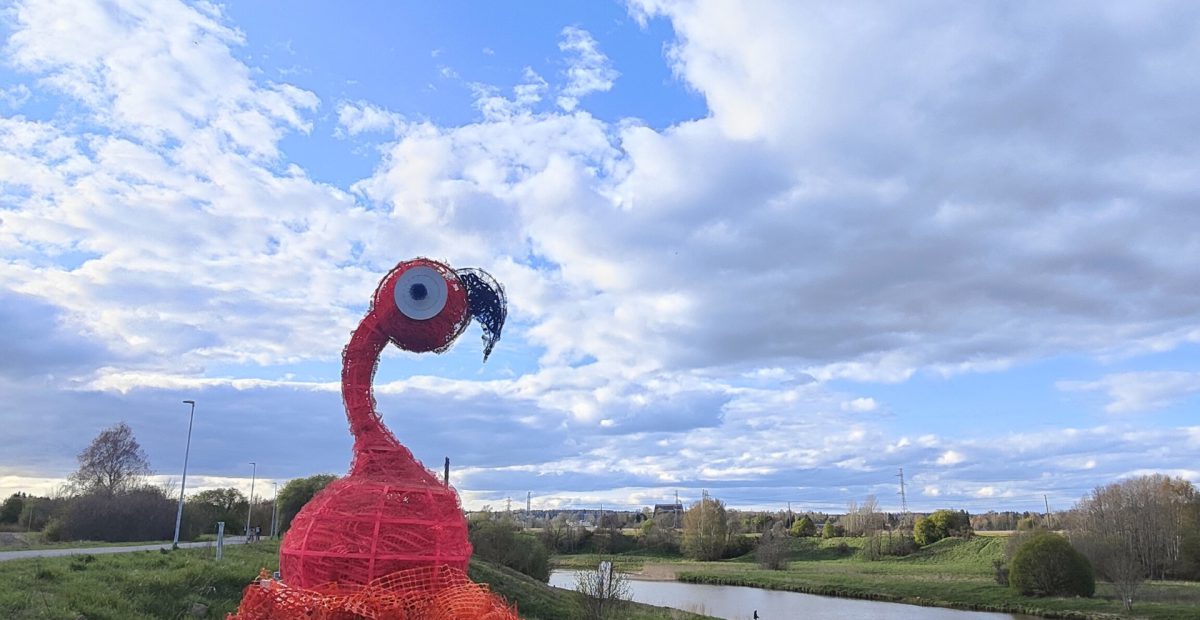
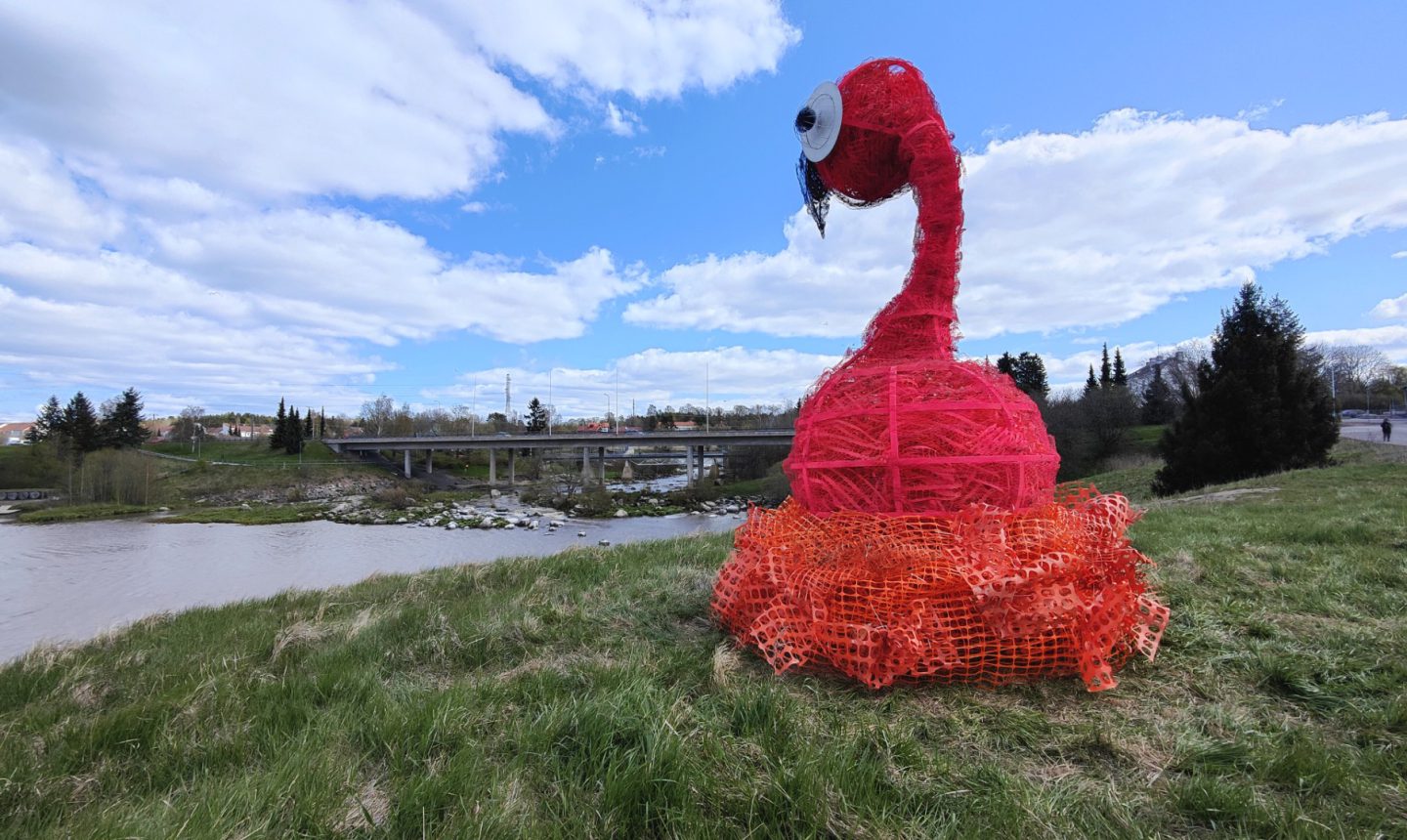
- Community Art Project: Sea Monster from Plastic Waste
- Facilitated by artist Outi Sippola.
- Preceded by “trash walks” to collect materials.
- The artwork was displayed during and after the Carnival weeks.
- Humak’s Idea Incubator: Creative sector teams developed innovative circular economy solutions which were tested at the Carnival. Read more here: https://www.creativecircularcities.com/case-studies/ccc-turku-idea-incubator/
Communication and Outreach
- Joint marketing: All co-event organizers shared promotional efforts, significantly increasing reach.
- Shared visual identity: Ready-to-use marketing materials ensured consistent branding.
- Centralized event listings: All activities were published on the Carnival website.
- Local media and Social media campaigns: Supported by posters, flyers, and bus advertisements to ensure visibility, including among digitally less active residents.
The Results
Participation and Outputs
- Around 30 events across two neighbourhoods.
- Around 1,000 visitors engaged in activities.
- Strong representation from residents, NGOs, artists, and municipal units.
- Over 30 organizations and community groups involved in planning and implementation.
Impact
- Behavioral change: In post-event evaluations, over 80% of participants reported gaining new ideas for sustainable everyday actions, such as:
- “I will reduce the use of disposable dishes.”
- “I learned practical skills like mending.”
- Strengthened collaboration: The Carnival enhanced neighbourhood-level networks between residents, organizations, and municipal units.
- Embedded Circular Practices: Local organizations integrated circular activities into their ongoing programs.
- Media Coverage: Featured in local newspapers and radio (Turun Sanomat, Aamuset, Ruutiset, Auran Aallot, Seutusanomat), highlighting the benefits and practices of circular economy and encouraging reflection on personal consumption.
- Communication Reach: Estimated 300,000 impressions across the Turku region.
The Carnival model demonstrated that collaboration creates scale: existing activities found new audiences under one shared message.
Contribution to Circular Economy in Turku
- Cultural Connection: Circular economy became relatable and emotionally engaging when linked to culture, art and community life.
- Grassroots Transformation: The Carnival built ownership and emotional connection to circularity themes, key ingredients for lasting change.
- Scalable Model: The framework is easily adaptable for other municipalities seeking to strengthen community cohesion while advancing sustainability goals.
Conclusion and Key Takeaways
The ReTurku Circular Economy Carnival proved that circular economy can be effectively promoted by combining it with culture, co-creation, and community engagement. The model offers municipalities an easily adaptable concept that brings together residents, associations, artists, and municipal units.
Keys to Success
- Low-Threshold participation: Activities were accessible and inclusive for all ages and backgrounds.
- Co-Production: Residents and local organizations took ownership of the Carnival program.
- City as enabler: The municipality facilitated collaboration and provided resources.
- Art and creativity: Cultural elements sparked joy, curiosity, and emotional connection.
- Leveraging existing strengths: The Carnival built on local networks and ongoing initiatives.
Lessons for future editions
- Early partner engagement: Contact collaborators as early as possible to maximize participation.
- Broad marketing: Use diverse channels (digital, print, local media) to reach all segments of the community.
- Visibility in neighbourhoods: Ensure advance promotion through creative methods, such as long-lasting art installations with Carnival information.
- Lasting impact: Design activities to evolve into permanent local practices beyond the Carnival.
Call to Action
Launch Your Own Circular Economy Carnival!
Use the ReTurku Circular Economy Carnival guide and materials to bring this adaptable, low-cost and high-impact model to your community. The framework can be easily tailored to different cities, neighbourhoods and contexts.
For more information, visit: Valonia’s ReTurku Page: www.valonia.fi/returku
Business Model and Financing
Key Principle
The Carnival thrives on collaboration and creativity, not large budgets. The umbrella model allows organizations to promote activities they are already doing while reaching a broader audience together.
Main Cost Drivers
- Artist Commissions and Facilitation
- Marketing and Communication Materials
ReTurku Pilot Financing
- Funded by: Creative Circular Cities (CCC) Project, Interreg Baltic Sea Region.
- Core CCC pilot budget: 11,000 €
- Additional implementation financing included:
- City of Turku financing:
- Fern Orchestra Plant Jam Session: 5,000 €
- PÄÄROSKAA Community Art Project: 3,000 €
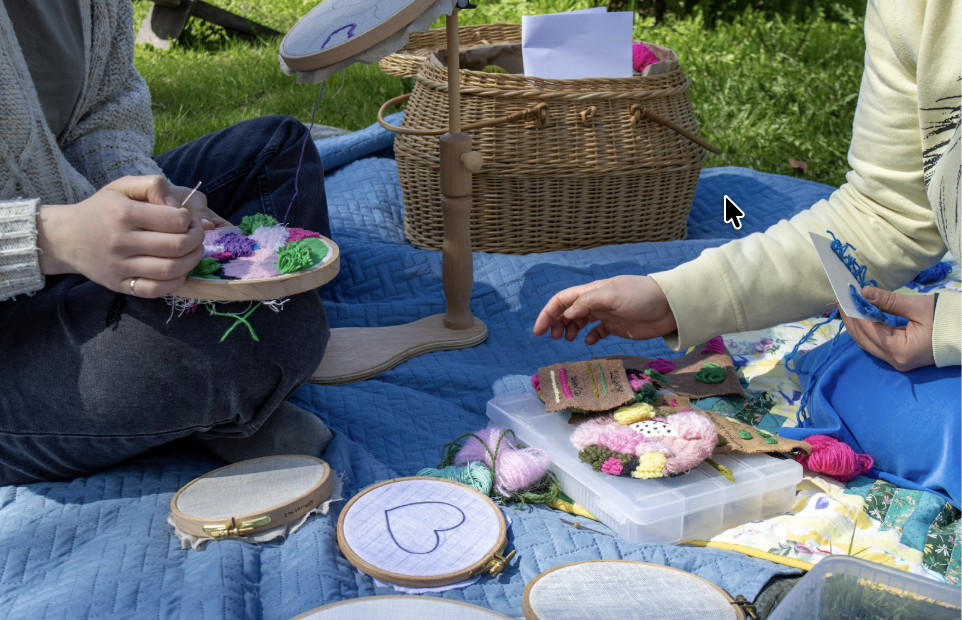
- Kirjoen Embroidery Picnic: 1,000 €
- THINK PINK Circular Artwork: 6,000 €
- Runosmäki in Bloom Circular Artwork: 6,000 €
- Valonia financing:
- Sea Monster Community Art Project: 2,000 €
- Marketing and communications: 4,000 €
- City of Turku financing:
Future Business Model
Municipalities can reduce costs by:
- Reusing the ReTurku framework for future editions.
- Leveraging partnerships, existing events, and in-kind contributions.
- Focusing on collaboration and creativity rather than large financial investments.
Visuals and References
Explore the ReTurku Circular Economy Carnival through the photo gallery available below.