Empowering Circular Lifestyles Through Creativity and Community
Introduction
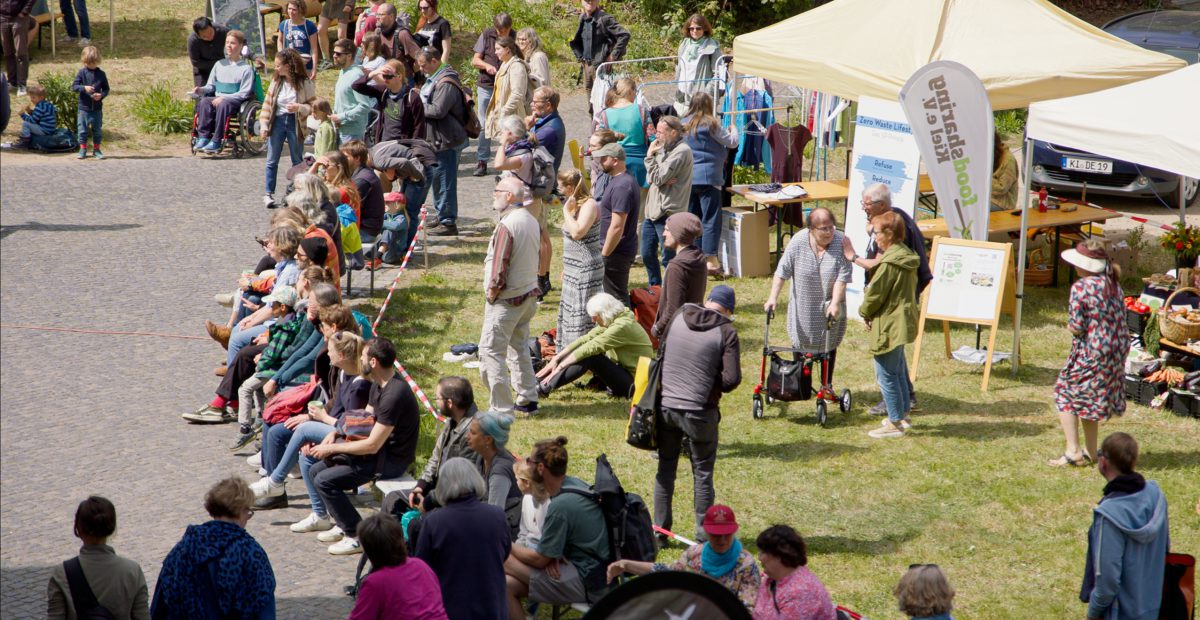
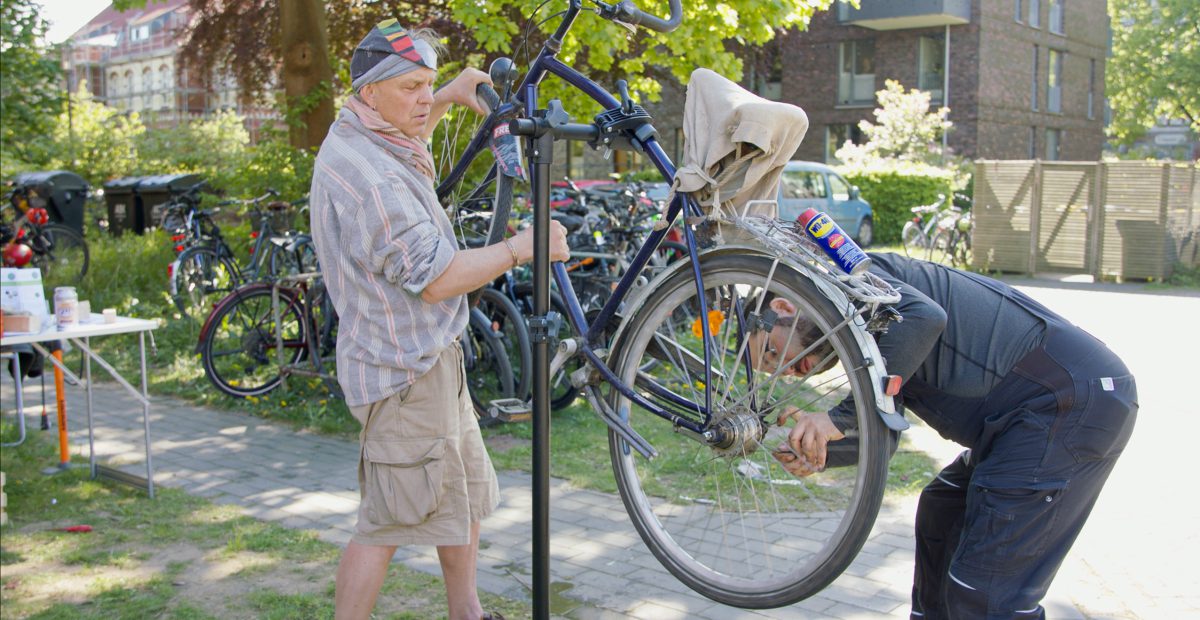
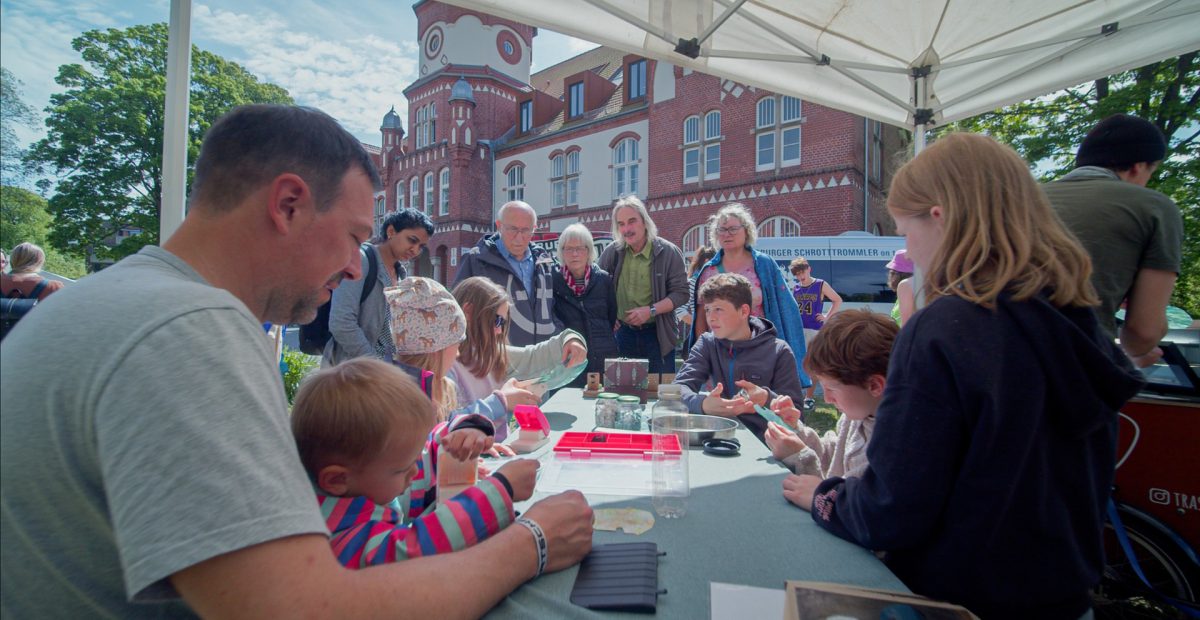
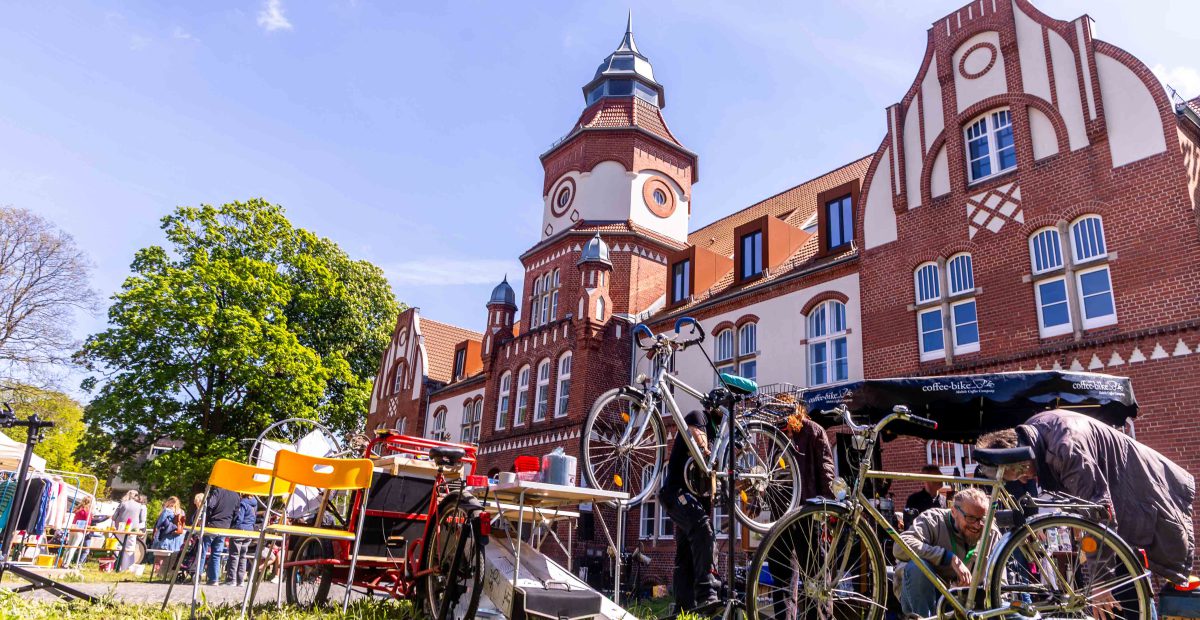
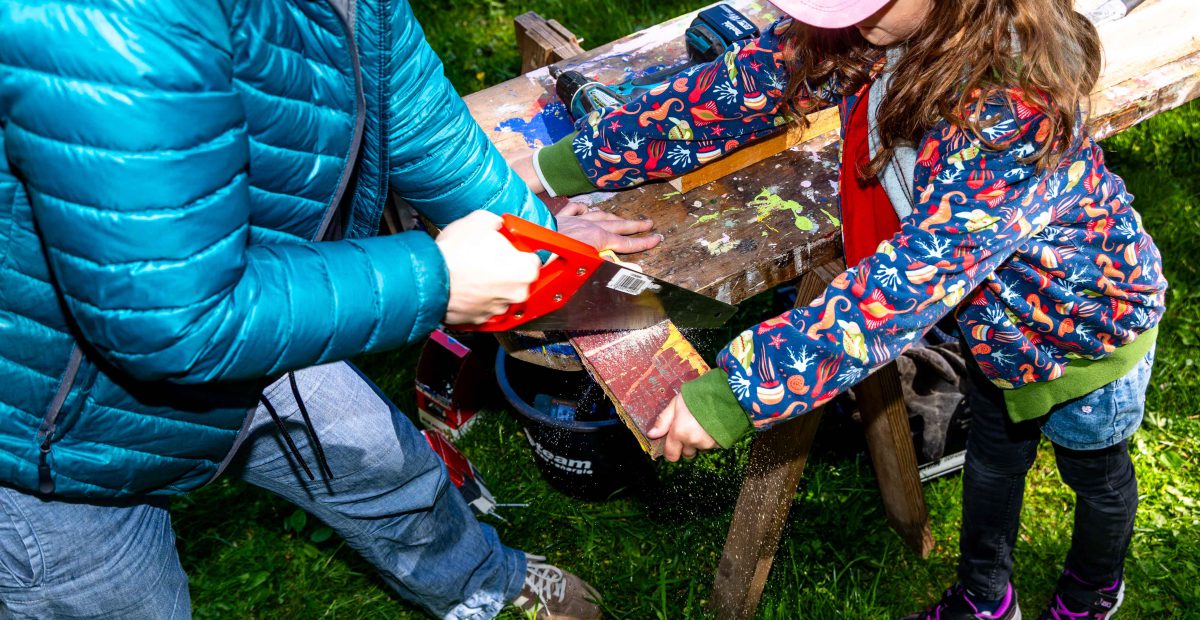
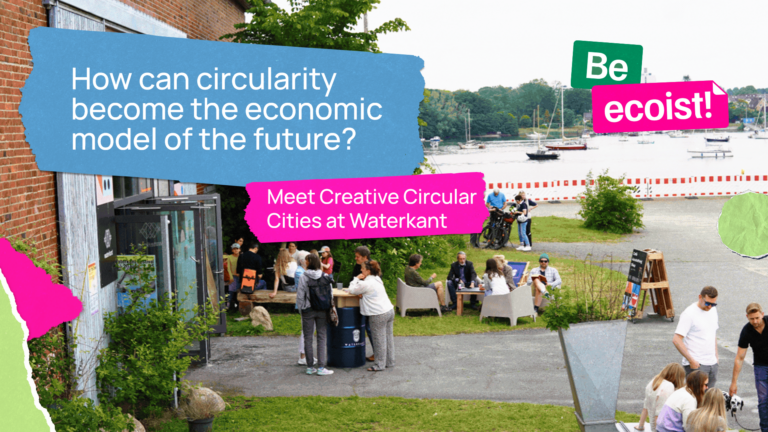
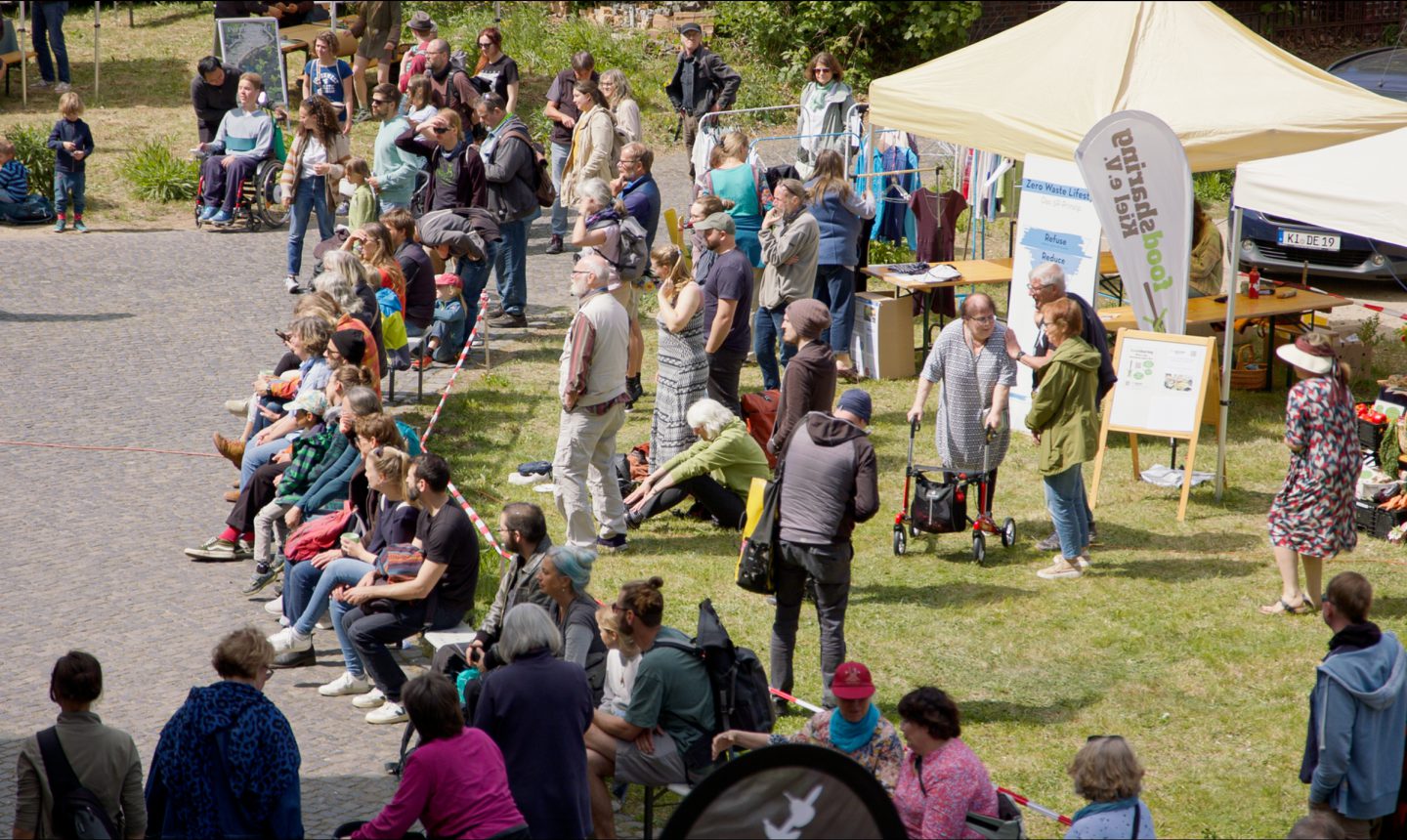
As part of the Creative Circular Cities project, the Kiel Repair & Upcycling Festival brought together citizens passionate about sustainability, creativity, and hands-on learning. The festival offered a dynamic program of workshops, DIY activities, and expert talks focused on repairing, reusing, and upcycling materials. Designed for all ages, the event combined practical skills with inspiring discussions on sustainable living, environmental protection and zero waste practices.
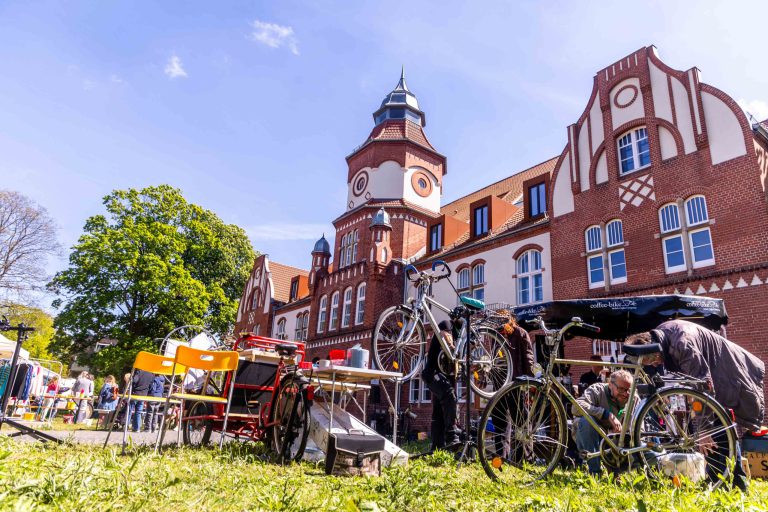
A creative market showcased handmade upcycled products, regional food, and live music, fostering a vibrant atmosphere where sustainability and community spirit thrived.
Organizers:
-
Heinrich-Böll-Stiftung Schleswig-Holstein e.V.
-
Anschar GmbH
-
Zero Waste Kiel e.V.
The Problem
Kiel, a city of 250,000 inhabitants, faces a pressing challenge: each citizen produces an average of 498 kg of waste annually. Despite adopting a Zero Waste Strategy in 2020, the municipality has struggled to reduce waste generation. While measures like reusable cups at public events, improved waste management in schools and public awareness campaigns have been implemented, per capita waste production continues to rise.
This persistent issue highlights a gap in citizen engagement and practical knowledge. Many residents lack the skills and confidence to repair, reuse, or upcycle materials, making it difficult to transition toward circular lifestyles. Structural barriers, such as time constraints, financial pressures and dependency on fast, resource-intensive systems, further hinder sustainable choices even among motivated individuals.
To drive meaningful change, Kiel needed an approach that would make circular living accessible, enjoyable and convenient.
The Solution
To address the barriers of limited skills and knowledge, the Repair & Upcycling Festival was organized as a hands-on, community-driven event. The festival aimed to:
-
Empower citizens with practical skills to integrate circular practices into daily life.
-
Foster creativity by exploring innovative ways to extend the lifespan of materials.
-
Build a local network of partners to ensure inclusivity and accessibility.
Key Activities
-
30+ Workshops: Covering diverse materials (e.g., seagrass, wool) and techniques, such as:
-
Transforming electronic waste into jewelry.
-
Repurposing old bed sheets into knitted bath mats.
-
-
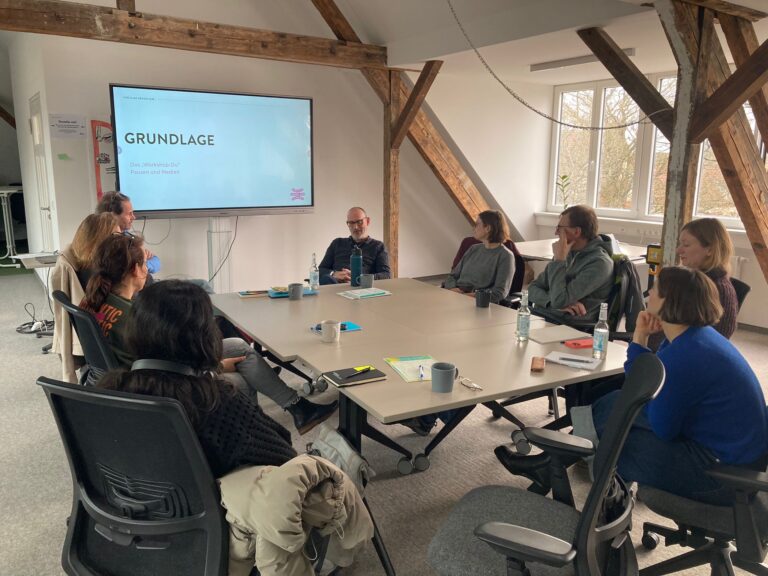
Expert Talks: Inspiring discussions on zero waste, sustainable living and environmental protection.
-
Creative Market: Showcasing handmade upcycled products and regional food, supporting local producers and sustainable business models.
-
Community Engagement: A space for exchange, inspiration and networking among citizens, local actors, and circular economy initiatives.
Collaborative Approach
To ensure broad appeal, the festival built a diverse partnership network, including:
-
Local churches (for communication and infrastructure).
-
Creative professionals (to lead workshops).
-
Neighbours (providing refreshments).
-
Caterers (focusing on sustainability).
-
Craftsmen and organizations (offering repair workshops).
This collaboration made the festival inclusive, engaging and accessible to a wide audience.
The Results
The Repair & Upcycling Festival attracted over 750 participants, achieving its goals through:
-
Skill Development: Citizens gained practical knowledge in repairing and upcycling, enabling them to extend the life of their belongings.
-
Awareness Raising: Talks and workshops sensitized attendees to the importance of circular economy principles.
-
Local Economic Support: The creative market promoted sustainable business models and local producers.
-
Community Building: The festival provided a space for exchange, learning, and networking, strengthening ties among citizens and local initiatives.
Contribution to Circular Economy in Kiel
-
Skill Empowerment: Equipped citizens with the tools and confidence to adopt circular practices.
-
Behavioral Change: Demonstrated that sustainability can be creative, fun and community-driven.
-
Local Ecosystem Strengthening: Highlighted the role of collaboration and shared resources in fostering circular lifestyles.
Conclusion and Key Takeaways
The festival transformed the concept of waste into opportunity, showing how discarded or overlooked items can become valuable, functional, and creative through repair and upcycling. What began as a simple idea, rethinking waste, evolved into a vibrant community event where people learned, created and connected.
Keys to Success
-
Diverse activities: From repair stations and workshops to talks and a creative market, the festival offered something for everyone.
-
Hands-on participation: Visitors actively repaired, created, and collaborated, making circularity tangible and memorable.
-
Community atmosphere: The blend of creativity, music, and social interaction created an inviting environment that encouraged participation.
-
Strong local ecosystem: The Anscharcampus, as a creative and cultural hub, provided the perfect setting, showcasing sustainability as a celebration of culture and community.
Lessons for Similar Initiatives
The festival model is highly adaptable and impactful, combining learning, creativity, and community building to drive real behavioral change. It appeals to a broad audience, including families, students, makers, and sustainability enthusiasts.
By integrating practical experiences with cultural and social elements, the model makes circular lifestyles accessible, enjoyable, and relatable.
Areas for Improvement
-
Stronger Documentation: Collecting photos, stories, and examples of repaired/upcycled items to better showcase impact.
-
Building Continuity: Using the festival as a launchpad for recurring repair cafés, upcycling meetups or workshops.
-
Expanded Outreach: Targeting specific citizen groups more strategically to engage a more diverse audience.
Inspirational Quote
“The atmosphere at the festival was breathtaking. It was wonderful to see how many people are interested in the topic and how many initiatives, start-ups, and volunteers are already involved in upcycling and repair.” Max Nettlau, Co-Founder/CEO of Meergut
Call to Action
Join the Movement: Bring a Repair & Upcycling Festival to Your Community
Host a Repair & Upcycling Festival to help your city reduce waste, build skills and strengthen local connections. Start planning today and empower your community to repair, reuse, and reimagine!
Business Model and Financing
Pilot Phase Financing
-
80% funded by the Interreg Baltic Sea Region Programme.
-
20% co-funded by the City of Kiel.
Future Business Model
To ensure long-term sustainability, the festival could explore:
-
Municipal or private funding.
-
Sponsorships from local businesses aligned with circular economy values.
-
Partnerships with social enterprises or NGOs to share costs and resources.
References
-
Kiel Zero.Waste.City: Kiel municipal zero waste page
-
Festival information: Anscharcampus Repair and Upcycling Festival 2026